
Introduction
Facial texture can make your skin feel rough, bumpy or uneven, even when you do not have active acne. Clogged pores, dead skin cells, dryness and old breakouts can all affect how your skin looks and feels. The right skincare routine can help smooth these areas without irritating your skin. If you are wondering how to get rid of texture on face understanding its cause is the best place to start.
Here are effective skincare ingredients, simple daily habits, and treatment options that can help improve your skin texture.
What Causes Textured Skin on the Face?
Facial texture can develop for several reasons. Some causes involve clogged pores, while others relate to dryness, acne or sun exposure. Identifying the cause helps you choose the right treatment.
Clogged Pores: Dead skin cells, excess oil, and debris can collect inside pores. This buildup may create small bumps, blackheads and rough areas, especially around the forehead, nose and chin.
Acne and Old Breakouts: Pimples can leave behind uneven marks and changes in skin texture. Deeper acne may also cause depressed scars that need professional treatment.
Dryness: When skin lacks moisture, its surface can become rough and flaky. Dehydration can also make fine lines and uneven areas more noticeable.
Sun Damage: Regular UV exposure can damage collagen and affect the skin natural renewal process. Over time, this may contribute to rough patches, fine lines, and uneven skin tone.
Milia: These tiny white or skin-colored bumps develop when keratin becomes trapped beneath the skin. They commonly appear around the eyes and cheeks.
Aging: Natural collagen production decreases with age. As a result, skin may gradually lose firmness and develop a less even surface.
How to Get Rid of Texture on Face: 8 Effective Ways
1. Use a Gentle Facial Cleanser
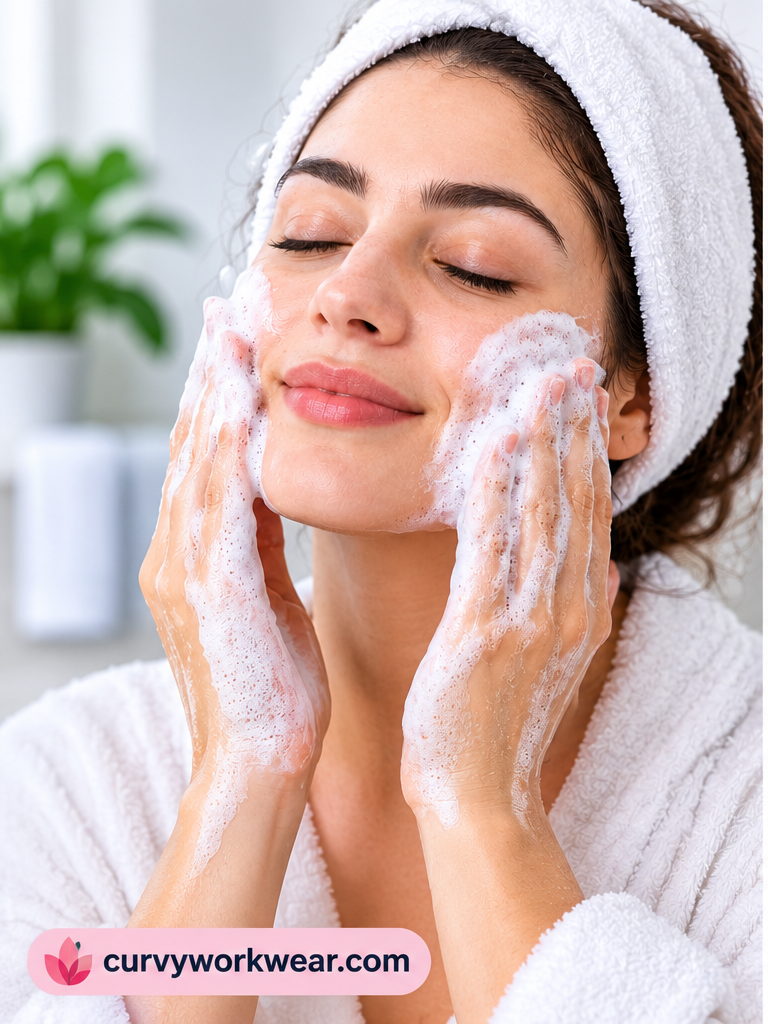
A gentle cleanser removes excess oil, sweat, sunscreen and everyday dirt. It also helps prepare your skin for the rest of your routine. Choose a fragrance-free cleanser that suits your skin type. Gel cleansers often work well for oily skin, while cream-based formulas can suit dry or sensitive skin.
Wash your face twice daily with lukewarm water. Avoid harsh scrubs and aggressive rubbing because they can damage your skin barrier.
2. Exfoliate With Salicylic Acid or AHAs
Exfoliation helps remove dead skin cells that contribute to a rough surface. However, choosing the right ingredient matters more than exfoliating frequently. Salicylic acid is a beta hydroxy acid (BHA) that can penetrate oil inside pores. It works particularly well for blackheads, clogged pores, and acne-related bumps.
Alpha hydroxy acids (AHAs), including glycolic acid and lactic acid, work mainly on the skin’s surface. They help loosen dead skin cells and improve roughness and uneven texture. Start with one exfoliating product once or twice weekly. Increase frequency only if your skin tolerates it.
3. Add a Retinoid to Your Nighttime Routine
Retinoids help regulate skin cell turnover and support collagen production. They can improve acne-related texture, clogged pores, and some signs of sun damage. Adapalene is an over-the-counter retinoid available in the United States. Retinol is another option commonly found in skincare products. Begin with a low-strength product two nights per week. Apply a small amount to completely dry skin, then follow with moisturizer.
Some dryness, peeling, or mild irritation can happen during the adjustment period. Reduce use if irritation develops rather than pushing through it. Avoid retinoids during pregnancy. Ask a healthcare professional about suitable alternatives if you’re pregnant or planning to become pregnant.
4. Use a Moisturizer That Supports Your Skin Barrier
Exfoliating and acne treatments can leave skin dry or irritated. A good moisturizer helps maintain hydration and supports the skin’s protective barrier.
Look for formulas containing ingredients such as:
- Ceramides: Help strengthen the skin barrier and reduce moisture loss.
- Hyaluronic acid: Attracts water and helps keep skin hydrated.
- Glycerin: Draws moisture into the outer layers of skin.
- Panthenol: Helps soothe and condition dry skin.
Choose a lightweight, non-comedogenic moisturizer if you have oily or acne-prone skin. Cream-based formulas may feel more comfortable on dry skin.
5. Apply Sunscreen Every Morning
Sun exposure can make uneven texture and existing skin damage more noticeable. It can also contribute to premature aging and reduce the benefits of your skincare routine. Use a broad-spectrum sunscreen with SPF 30 or higher every morning. Choose a formula that feels comfortable enough for daily use.
Apply it to your face, neck, and other exposed areas. Reapply every two hours when outdoors, especially after swimming or sweating.
6. Choose Products That Won’t Clog Your Pores
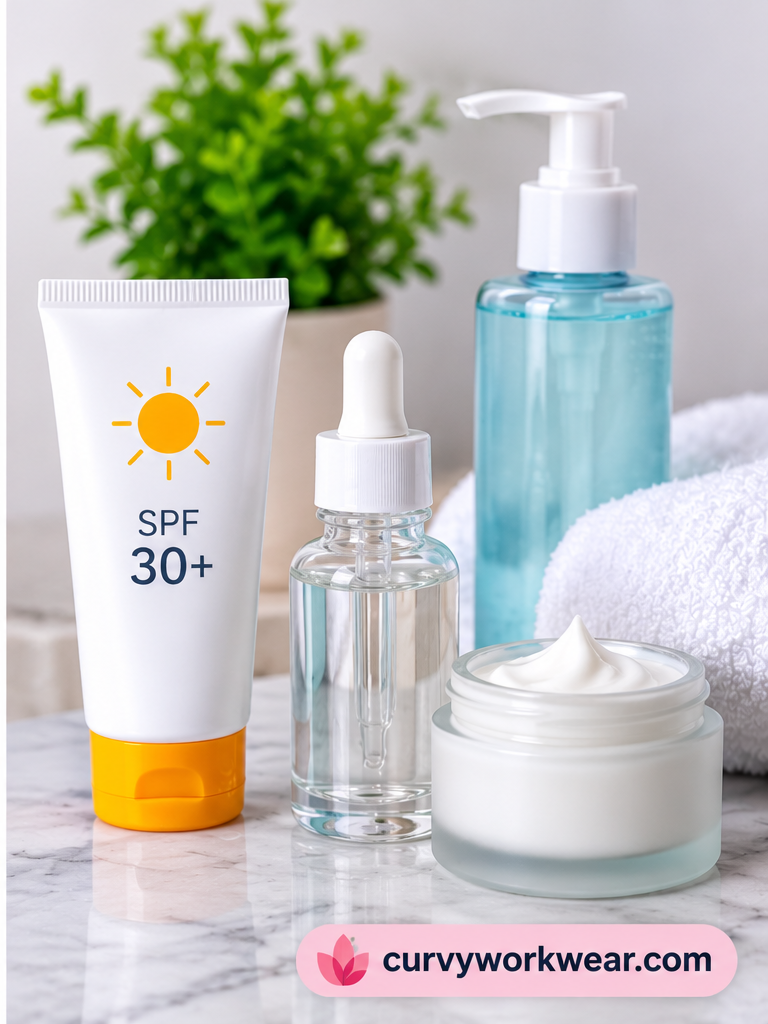
Heavy or unsuitable skincare products may contribute to clogged pores in some people. This can make small bumps and acne-related texture more noticeable. Look for products labeled non-comedogenic. These products are formulated to reduce the likelihood of clogged pores.
Pay attention to your makeup, sunscreen, moisturizer, and hair products. Hair oils and styling products can sometimes contribute to bumps around the forehead and hairline. You don’t need to replace every product immediately. Start by changing products that seem to trigger breakouts.
7. Avoid Picking and Over-Exfoliating
Trying to remove every bump can make textured skin worse. Picking, squeezing, and scratching may cause inflammation, dark marks, and permanent acne scars. Over-exfoliating can also weaken your skin barrier. Signs include persistent redness, burning, tightness, peeling, and increased sensitivity.
Give your skin time to adjust to new products. If irritation develops, pause active ingredients and return to a gentle cleanser and moisturizer. A consistent routine usually works better than constantly switching products.
8. Consider Professional Skin Treatments
Some types of facial texture respond better to professional treatments than home skincare. A dermatologist can examine your skin and recommend an appropriate option.
Common treatments include:
- Chemical Peels: Use controlled exfoliating solutions to improve surface roughness, acne marks, and uneven pigmentation.
- Microneedling: Creates tiny controlled injuries that stimulate collagen production. Dermatologists may recommend it for certain acne scars.
- Laser Resurfacing: Uses targeted energy to improve selected types of scars, sun damage, and uneven texture.
- Microdermabrasion: Removes some dead cells from the outer skin layer and may help with mild surface roughness.
Not every treatment suits every skin type. People with darker skin tones may have a higher risk of post-inflammatory hyperpigmentation after certain procedures. A qualified dermatologist should assess the risks before treatment.
Best Skincare Ingredients for Textured Skin
Choosing ingredients based on your main skin concern can make your routine more effective. You don’t need to use everything at once.
| Ingredient | Main Benefit | Best For |
|---|---|---|
| Salicylic Acid | Helps clear clogged pores | Blackheads and oily skin |
| Glycolic Acid | Removes dead surface cells | Rough and dull skin |
| Lactic Acid | Gently exfoliates and improves hydration | Dry, rough skin |
| Retinol | Supports cell turnover and collagen | Fine lines and uneven texture |
| Niacinamide | Supports the skin barrier | Uneven appearance and excess oil |
| Ceramides | Reduce moisture loss | Dry and sensitive skin |
| Hyaluronic Acid | Attracts and holds moisture | Dehydrated skin |
Morning Skincare Routine for Textured Skin
A simple morning routine protects your skin and maintains hydration throughout the day.
- Cleanser: Wash your face with a gentle facial cleanser.
- Serum: Apply niacinamide if you want additional barrier support.
- Moisturizer: Use a formula suitable for your skin type.
- Sunscreen: Finish with broad-spectrum SPF 30 or higher.
If your skin feels dry in the morning, you may not need a full cleanser wash every day. A gentle rinse with water can be enough.
Nighttime Skincare Routine for Textured Skin
Nighttime is a good opportunity to use targeted skincare ingredients. Keep the routine simple to avoid unnecessary irritation.
- Remove Makeup and Sunscreen: Use a suitable makeup remover or cleansing balm if needed.
- Cleanse: Wash away remaining dirt, oil, and product buildup.
- Treatment: Apply your chosen retinoid or exfoliating product according to its instructions.
- Moisturize: Finish with a moisturizer to maintain hydration.
Don’t start retinoids and exfoliating acids together. Introduce one active ingredient first and monitor how your skin responds.
How Long Does It Take to Improve Skin Texture?
Skin texture rarely improves overnight. The timeline depends on the cause, treatment, and consistency of your routine.
| Skin Concern | Possible Improvement Timeline |
|---|---|
| Dryness and rough patches | A few days to two weeks |
| Clogged pores | Around 4–8 weeks |
| Mild acne-related texture | 6–12 weeks |
| Uneven skin appearance | Several weeks to months |
| Atrophic acne scars | Often require professional treatment |
These are general estimates, not guaranteed results. Deep acne scars and significant sun damage usually need more than basic skincare products.
Common Skincare Mistakes That Make Texture Worse
Some everyday habits can slow progress or cause additional irritation. Avoid these mistakes when trying to improve your skin.
- Using Too Many Active Ingredients: Combining several acids and retinoids can irritate your skin.
- Scrubbing Too Hard: Rough physical scrubs can cause redness and damage the skin barrier.
- Skipping Moisturizer: Even oily skin needs proper hydration.
- Ignoring Sunscreen: UV exposure can worsen existing skin damage.
- Changing Products Too Quickly: Switching products every few days makes results difficult to assess.
- Expecting Instant Results: Most treatments need several weeks of consistent use.
When Should You See a Dermatologist?
Home skincare can improve many types of facial texture, but some conditions need professional attention. Consider seeing a dermatologist if you experience painful bumps, persistent acne, deep scars, or texture that doesn’t improve with consistent skincare.
You should also seek professional advice if bumps suddenly appear, spread, itch, or become inflamed. What looks like ordinary clogged pores may sometimes be another skin condition. A dermatologist can identify the actual cause and recommend treatment based on your skin type and medical history.
Final Thoughts
Getting smoother skin takes patience and a routine that addresses the actual cause of texture. Gentle cleansing, suitable exfoliation, moisturizing, and daily sunscreen provide a good starting point.
Disclaimer: This article is for informational purposes only and does not replace professional medical advice. Skincare products and treatments may affect people differently. Consult a qualified dermatologist before starting new treatments, especially if you have sensitive skin or an existing skin condition.