Introduction
Choosing the right fabric can make a big difference in comfort, softness, and everyday wear. Tencel fabric has gained popularity for its smooth feel, lightweight texture, and moisture-managing properties.
But what exactly is Tencel, and is it worth choosing over cotton? In this guide, you’ll learn what Tencel fabric is made of, its benefits and drawbacks, common uses, and how to care for it properly.
What Is Tencel Fabric?
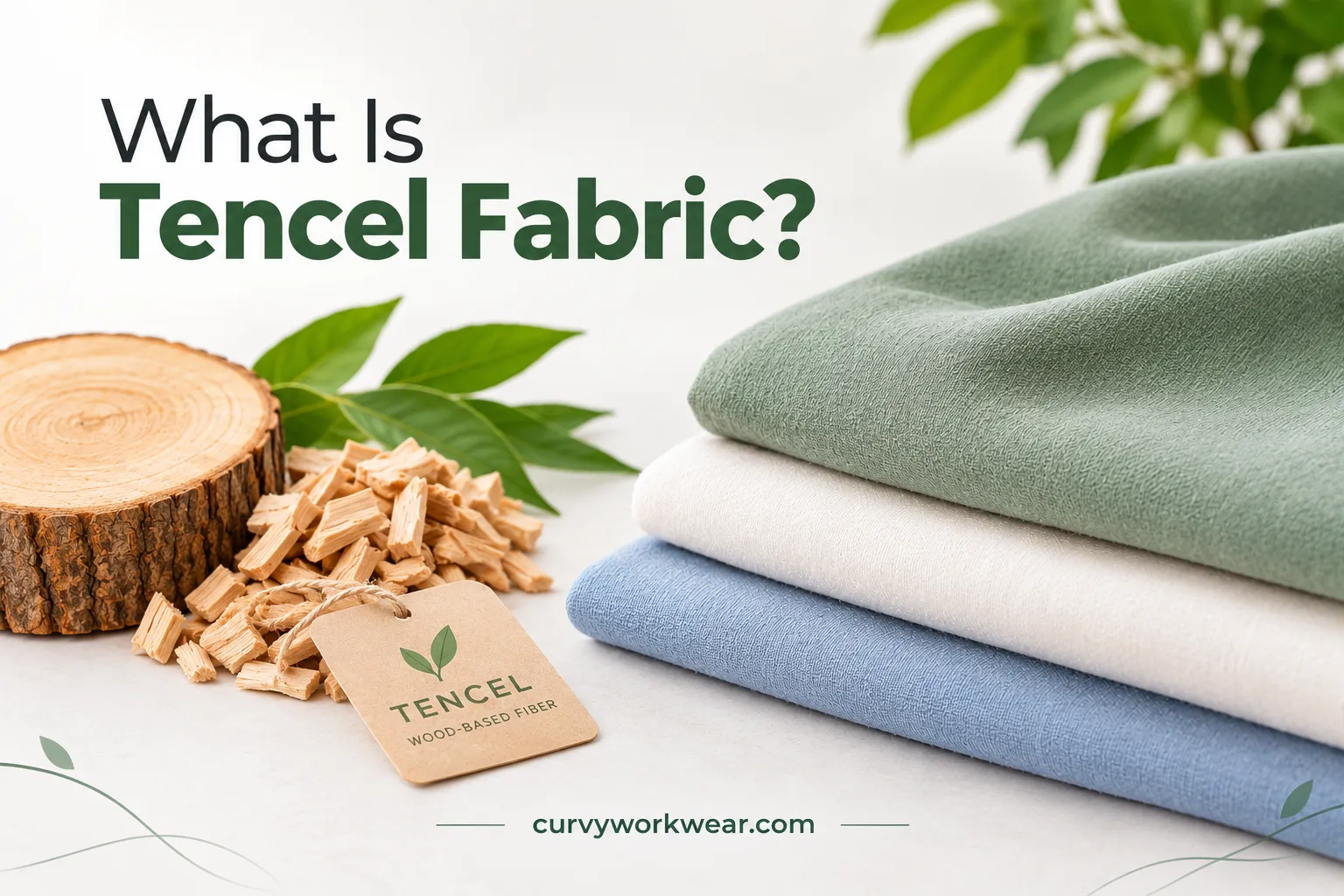
Tencel is a brand of textile fibers made by the Austrian company Lenzing. These fibers come from wood pulp and are used to make soft, comfortable fabrics. The two main types are Tencel Lyocell and Tencel Modal.
Tencel fabric is common in clothing, bedding, and other textile products. Its softness and comfort make it a popular choice for everyday wear. However, the final fabric’s feel and performance depend on its fiber type, weave, and blend.
Key Benefits of Tencel Fabric
Soft and Smooth Feel
Tencel fabric feels soft and smooth against the skin. TENCEL™ Lyocell and Modal fibers help create comfortable fabrics for clothing, sleepwear, and bedding.
Effective Moisture Management
Tencel fibers absorb and release moisture, helping manage dampness near the skin. This feature makes them useful for everyday clothing, sleepwear, and bedsheets. However, comfort also depends on fabric thickness and construction.
What Is Tencel Fabric Made Of?
Tencel fabric comes from cellulose, a natural material found in wood. Manufacturers turn wood pulp into fibers through a chemical process. These fibers are then spun into yarn and woven or knitted into fabric.
TENCEL™ Lyocell and TENCEL™ Modal are the two main types. Both use wood from controlled or certified sources. However, their manufacturing processes differ. Modal production uses a modified viscose process with high chemical recovery rates.
The finished fabric may contain only Tencel fibers or blend them with cotton, wool, or other fibers. Its exact composition depends on the product.
Types of Tencel Fabric
TENCEL™ includes different types of wood-based fibers. The two main types are Lyocell and Modal. Both feel soft and comfortable, but their production methods and properties differ.
Tencel Lyocell
TENCEL™ Lyocell comes from cellulose found in wood pulp. It feels soft, smooth, and comfortable against the skin. Manufacturers use it in clothing, bedding, and other textile products.
Tencel Modal
TENCEL™ Modal comes from wood-based cellulose and stays soft after repeated washing. The fiber also helps manage moisture and keeps fabrics comfortable against the skin.
Manufacturers commonly use Modal in underwear, T-shirts, sleepwear, and other everyday clothing. Its softness and flexibility make it suitable for fabrics worn close to the body.
Is Tencel Natural or Synthetic?
Tencel is made from natural wood pulp, but it is not a natural fiber like cotton or linen. Manufacturers process wood pulp to create textile fibers called regenerated cellulosic fibers. This makes Tencel a manufactured fiber rather than a natural fiber.
Unlike polyester, Tencel comes from plant-based cellulose instead of fossil-based raw materials. However, manufacturers use chemicals and industrial processes to turn the pulp into fibers. Tencel is best described as a wood-based, regenerated cellulosic fiber, not simply natural or synthetic.
Lyocell and TENCEL™: Are They the Same Thing?
TENCEL™ and Lyocell are related, but they are not the same thing. Lyocell refers to a fiber type, while Lenzing owns the TENCEL™ brand.
| Feature | Lyocell | TENCEL™ Lyocell |
|---|---|---|
| What it is | A type of regenerated cellulose fiber | A branded type of lyocell fiber |
| Manufacturer | Produced by different manufacturers | Produced by Lenzing |
| Raw material | Cellulose, usually from wood pulp | Wood-based cellulose |
| Production | Processes vary by manufacturer | Uses Lenzing’s specific production process |
| Product label | May simply say lyocell | May identify TENCEL™ Lyocell |
What Are the Drawbacks of Tencel Fabric?
Tencel fabric has many benefits, but it also has a few drawbacks. It can cost more than some fabrics and may need gentle care. These factors are worth considering before buying Tencel clothing or bedding.
Can Be More Expensive Than Other Fabrics
Tencel fabric often costs more than basic cotton or polyester options. The price depends on the fiber type, fabric quality, and brand. Some Tencel blends may cost less than fabrics made from pure Tencel fibers.
If you have a limited budget, compare prices before buying. Check the fabric label to understand what the product contains. A higher price does not always mean better quality.
Requires Proper Washing and Care
Tencel fabric needs proper care to help maintain its softness and shape. Proper care helps your Tencel clothing last longer.
What Is Tencel Fabric Used For?
Tencel fabric is used in clothing and home textiles because of its softness and smooth texture. Manufacturers use TENCEL™ Lyocell and Modal fibers to create fabrics for different purposes. The final fabric depends on the fiber type, weave, and other materials used.
Clothing and Everyday Wear
Manufacturers use Tencel fibers to make shirts, dresses, trousers, jeans, and lightweight tops. They create a smooth fabric that drapes well and feels comfortable against the skin. Lyocell adds a soft feel and graceful drape to denim and flowy clothing.
Modal is common in underwear, T-shirts, and sleepwear because it stays soft and feels gentle against the body.
Some manufacturers blend Tencel fibers with cotton or other materials to change the fabric’s feel and performance. This makes Tencel a useful option for both casual clothing and everyday basics.
Bedding and Home Textiles
Tencel fibers are also used in bedsheets, pillowcases, and other bedding products. Their ability to absorb moisture can help manage dampness while you sleep. The smooth surface may also feel comfortable against the skin. Some bedding fabrics combine Tencel with cotton to balance softness, texture, and durability. Manufacturers also use these fibers in selected towels and other home textiles. However, the final comfort and performance depend on the fabric’s construction and fiber blend. Always check the product label to see which fibers it contains.
Tencel vs. Cotton: What Is the Difference?
Tencel and cotton are popular fabrics used in clothing and bedding. Both offer comfort, but they differ in origin, feel, and care needs. If you are exploring other plant-based options, learn more about banana fiber fabric too. Here is a simple comparison to help you choose the right fabric.
| Feature | Tencel | Cotton |
|---|---|---|
| Source | Made from processed wood-based cellulose | Made from cotton plant fibers |
| Feel | Usually smooth, soft, and silky | Can feel soft, crisp, or textured |
| Breathability | Depends on the fabric and its construction | Depends on the weave and fabric weight |
| Moisture Control | Helps absorb and release moisture | Absorbs moisture but may feel damp when wet |
| Drape | Often falls smoothly around the body | Depends on the cotton fabric and weave |
| Durability | Can last well with proper care | Can last well with proper care |
| Care | Follow the product’s washing instructions | Follow the product’s washing instructions |
| Price | Often more expensive, depending on the product | Available at a wide range of prices |
| Common Uses | Clothing, bedsheets, and other home textiles | Clothing, towels, bedsheets, and home textiles |
How to Wash and Care for Tencel Fabric
Proper washing helps protect its feel and appearance. However, the right care method depends on the garment and its fabric blend. Always check the care label before washing.
Start by sorting Tencel clothes by color and fabric type. Use a gentle cycle and mild detergent if machine washing is allowed. Avoid overloading the machine, as clothes need room to move. Follow the label’s water temperature instructions to help prevent damage.
After washing, remove the garment promptly to reduce creasing. Avoid twisting or wringing the fabric, as this can affect its shape. Air-dry it according to the care label. Keep it away from direct heat if the instructions recommend avoiding it.
Frequently Asked Questions
Is Tencel the Same as Lyocell?
No, Tencel and lyocell are not exactly the same. TENCEL™ is a brand owned by Lenzing, while lyocell is a type of fiber. TENCEL™ Lyocell is Lenzing’s branded version of lyocell. However, not all lyocell fibers carry the TENCEL™ brand.
Does Tencel Fabric Shrink?
Yes, Tencel fabric can shrink under certain washing and drying conditions. The amount depends on the fabric’s construction, blend, and finishing. Hot water and high dryer heat may increase the risk. Follow the care label to help prevent shrinkage.
Is Tencel Fabric Better Than Cotton?
Neither fabric is always better than the other. Tencel often feels smoother and drapes more fluidly. Cotton offers many textures, weights, and price options. Your best choice depends on comfort, budget, and intended use.
How Does Tencel Fabric Feel Compared to Cotton?
Tencel fabric often feels smooth, soft, and silky against the skin. Cotton can feel crisp, soft, or textured, depending on its weave and finish.
Disclaimer: This article provides general information about Tencel fabric, including its features, uses, benefits, and care. Fabric quality and performance may vary depending on the fiber type, weave, and blend. Always check the garment’s care label before washing or drying. We recommend reviewing product details before making a purchase.