Introduction
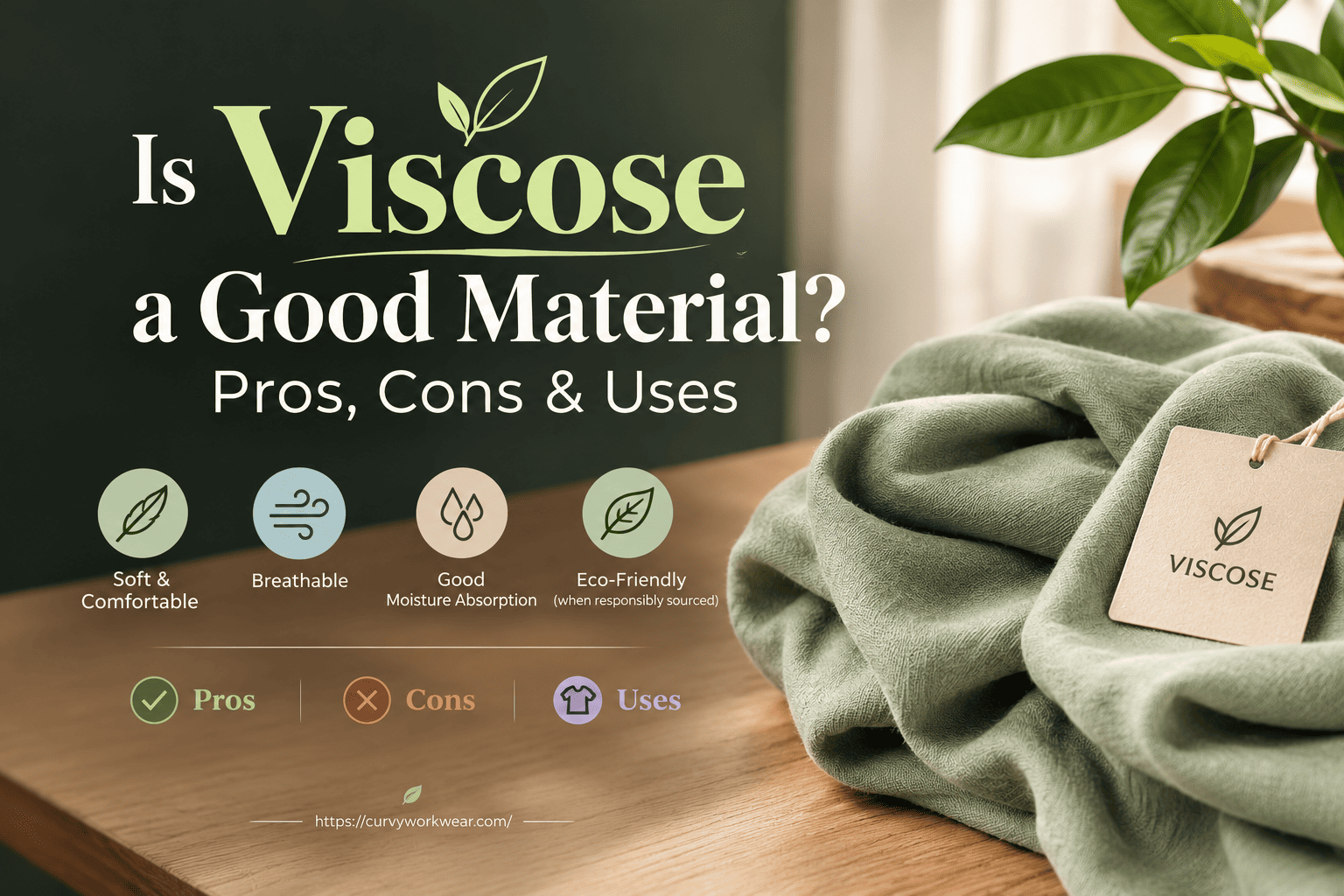
Viscose is a popular fabric used in dresses, shirts, skirts, and everyday clothing. It feels soft, looks smooth, and drapes beautifully on the body. But is viscose a good material for everyday wear? The answer depends on your needs and how you care for the fabric. Viscose offers several benefits, including comfort, lightweight texture, and moisture absorption.
However, it can wrinkle easily, shrink after washing, and become weaker when wet. Understanding these advantages and disadvantages can help you make better clothing choices. In this guide, we will explore whether viscose is a good material, its common uses, and how it compares with other fabrics.
What Is Viscose Fabric?
Viscose is a man-made fabric made from plant-based cellulose. Manufacturers usually get this cellulose from wood pulp. They process it into soft fibers that can be used for clothing. Viscose is also commonly known as rayon in many markets. It combines some qualities of natural fibers with modern textile production.
Many clothing brands use viscose for dresses, blouses, skirts, and shirts. People often like it because it feels smooth and drapes nicely. However, its quality and performance depend on how manufacturers make the fabric. Viscose can also be blended with cotton, polyester, or other fibers.
How Is Viscose Fabric Made?
The process starts with cellulose, usually taken from purified wood pulp. Manufacturers treat the pulp with chemicals to make the cellulose workable. They then dissolve it into a thick liquid called viscose. Next, they push this liquid through tiny holes into a special bath.
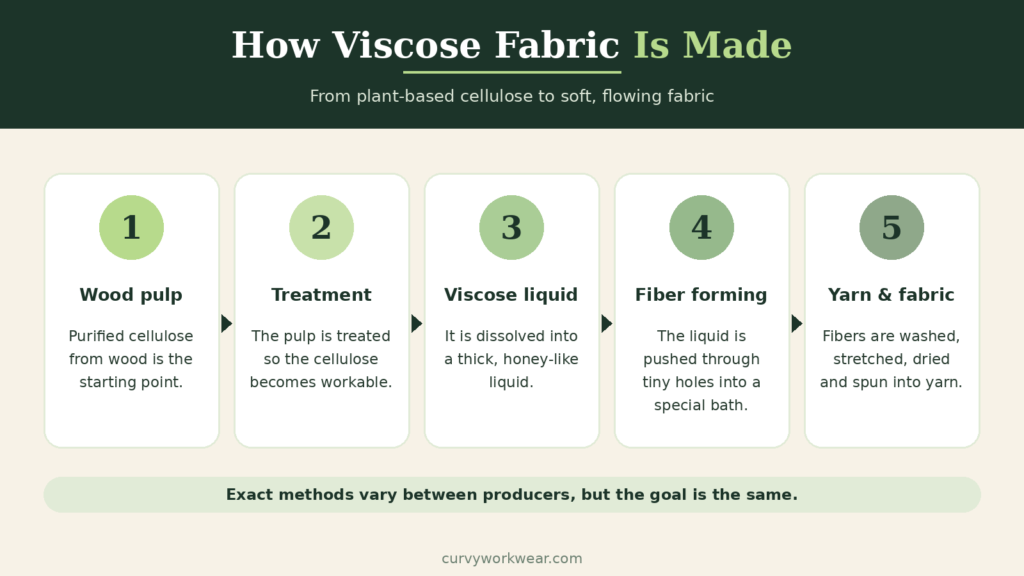
This step forms fine cellulose fibers. Workers then wash, stretch, and dry these fibers. Manufacturers turn the finished fibers into yarn for making fabric. The exact process can vary between producers. However, the main goal remains the same: turning plant-based cellulose into usable textile fibers.
What Does Viscose Fabric Feel Like?
Viscose usually feels soft, smooth, and comfortable against the skin. Its surface can feel slightly silky, depending on the fabric. It also falls naturally instead of looking stiff or bulky. This flowing quality makes it popular for dresses and loose-fitting blouses. Many viscose fabrics feel lightweight and allow good airflow.
However, thickness and weave can affect how the fabric feels. Some versions feel cooler and lighter than others. Viscose also absorbs moisture, which can help it feel comfortable in warm weather. Still, it may wrinkle easily and needs careful handling when wet.
Different fabrics have unique textures and feels. You can also learn what a slub tee is and what makes its fabric unique to compare different clothing materials.
Is Viscose a Good Material?
Yes, viscose can be a good material for many types of clothing. It feels soft, looks smooth, and hangs nicely on the body. Many people choose it for dresses, blouses, skirts, and summer outfits. Viscose also absorbs moisture, which can help keep clothing comfortable. However, it has some drawbacks that shoppers should understand.
Viscose can wrinkle easily and may shrink if washed incorrectly. It also loses strength when wet, so rough handling can damage it. Some garments need gentle washing or professional cleaning. The fabric’s quality also depends on its construction and fiber blends. Overall, viscose works well for comfortable, stylish clothing when you care for it properly.
Pros and Cons of Viscose Fabric
Viscose offers several benefits, but it also has a few limitations. Understanding both sides helps you decide whether it suits your needs.
Pros and Cons of Viscose Fabric
| Pros | Cons |
|---|---|
| Feels soft and smooth | Can wrinkle easily |
| Often feels lightweight and comfortable | May shrink if washed incorrectly |
| Drapes nicely around the body | Can lose strength when wet |
| Absorbs moisture well | May need gentle washing |
| Works well for flowing clothes | Durability depends on fabric quality and construction |
Viscose is a good option if you want soft fabric with a flowing look. However, you should check the care label before washing it. Gentle handling can help your viscose clothing last longer.
Is Viscose Fabric Good for Summer?
Viscose can be a good choice for summer clothing because it feels soft and lightweight. It absorbs moisture from the skin, which can help you stay comfortable. Its smooth texture also feels pleasant during warm weather. Many viscose garments hang loosely and allow air to move around the body.
However, viscose does not always keep you cool in every situation. Thick fabrics and tight clothing can feel warmer on hot days. The fabric may also feel damp because it absorbs moisture. For summer, choose lightweight viscose clothing with a loose fit. Always consider the fabric’s thickness and weave before buying.
What Are the Common Uses of Viscose Fabric?
Manufacturers use viscose in many types of clothing and textile products. Its soft feel and flowing appearance make it popular in fashion. It works well for garments that need a smooth finish. Brands also blend viscose with other fibers to change its feel and performance.
Viscose in Dresses, Blouses, and Shirts
Viscose is popular for dresses because it falls smoothly around the body. It creates a flowing shape without making clothing look stiff. Many summer dresses use viscose because it feels light and comfortable. Designers also use it for blouses and shirts with soft finishes. These garments work well for casual outings and office outfits. However, some viscose fabrics need careful washing to prevent shrinking or damage.
Viscose in Pants, Skirts, and Linings
Viscose also works well for skirts, wide-leg pants, and lightweight trousers. Its natural drape helps these garments move comfortably with the body. Many people choose viscose skirts for their soft, flowing appearance. Manufacturers also use viscose in garment linings. The smooth surface helps clothing slide more easily over other layers. However, thicker or tightly woven fabrics may feel less airy during warm weather.
Is Viscose Durable and Easy to Maintain?
Viscose can last well when you handle it with care. However, it is often weaker when wet than when dry. Rough washing, strong spinning, and pulling can damage its fibers. Some garments may also shrink or lose their shape during washing. Fabric quality and construction can affect how long clothing lasts.
Viscose is not always difficult to maintain, but care requirements vary. Some garments allow machine washing, while others need hand washing or dry cleaning. Always read the garment’s care label before cleaning it. Following those instructions helps protect the fabric and maintain its shape.
How to Wash and Care for Viscose
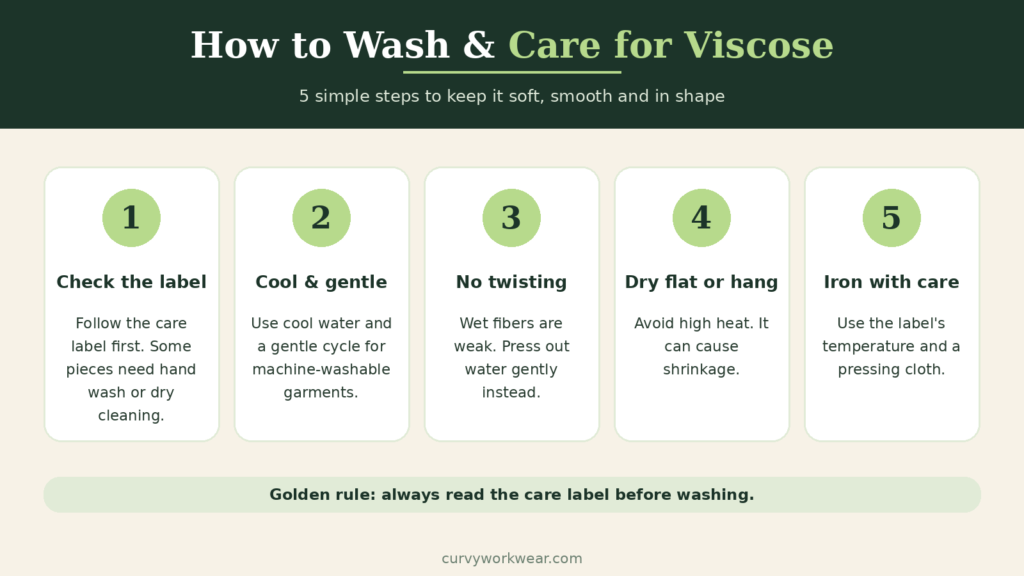
Start by checking the care label for the correct washing method. Use cool water when the instructions allow it. Choose a gentle cycle for machine-washable viscose garments. Avoid rough scrubbing, twisting, or wringing the fabric. These actions can stretch or damage wet fibers.
After washing, gently remove excess water without twisting the garment. Lay it flat or hang it as the care label recommends. Keep it away from high heat, which can cause shrinkage. If ironing is allowed, use the temperature recommended on the label. A pressing cloth can help protect delicate fabric. Proper care helps viscose clothing maintain its appearance for longer.
Viscose vs. Cotton vs. Polyester
Viscose, cotton, and polyester are common fabrics used in everyday clothing. However, each fabric has different features and care needs. Viscose feels smooth and drapes nicely around the body. Cotton feels soft and comes from natural plant fibers. Polyester is a synthetic fabric that often resists wrinkles and dries quickly.
The best choice depends on your comfort, clothing needs, and lifestyle. Compare their main features before deciding which fabric suits you best. If you want to explore another popular clothing fabric, read our guide to Tencel fabric, its benefits, uses, and drawbacks to learn more about its properties and everyday uses.
Viscose vs. Cotton vs. Polyester
| Feature | Viscose | Cotton | Polyester |
|---|---|---|---|
| Feel | Soft and smooth | Often soft and comfortable | Varies by fabric |
| Breathability | Often breathable | Generally breathable | Depends on fabric construction |
| Moisture absorption | Absorbs moisture well | Absorbs moisture well | Absorbs little moisture |
| Wrinkle resistance | Often wrinkles easily | Can wrinkle easily | Usually resists wrinkles |
| Durability | Can weaken when wet | Generally durable | Generally durable |
| Care | May need gentle washing | Often easy to wash | Usually easy to maintain |
| Common uses | Dresses and blouses | T-shirts and everyday clothing | Sportswear and blended fabrics |
Which Fabric Should You Choose?
Choose viscose if you want soft clothing with a smooth, flowing look. It works well for dresses, skirts, and lightweight blouses. Cotton suits everyday wear because it feels comfortable and absorbs moisture. It also comes in many weights and fabric styles.
Polyester may suit you better if you want wrinkle-resistant clothing. It often dries faster than cotton and viscose. However, its breathability depends on the fabric’s design and construction.
Each fabric has its own strengths and limitations. Consider the weather, garment design, and care instructions before buying. The best fabric is the one that meets your needs.
How to Choose Good-Quality Viscose Clothing
Choosing good-quality viscose clothing starts with checking the fabric carefully. Look for a smooth surface without loose threads or visible damage. Gently feel the fabric to check its softness and thickness. Choose a weight that suits the garment and weather. Lightweight viscose often works well for summer dresses and blouses.
Check the stitching around seams, hems, and buttons. Strong, even stitching can help the garment last longer. Hold the fabric against the light to check its transparency. Some lightweight fabrics may need an extra layer underneath. Also, check the care label before buying. Some viscose garments require gentle washing or professional cleaning.
Consider the garment’s fit and intended use. A well-made viscose piece should feel comfortable and allow easy movement. Check whether the fabric contains other fibers, such as cotton or polyester. Blends can change the fabric’s feel, durability, and care needs. Finally, choose clothing that matches your budget and lifestyle.
Is Viscose Better Than Other Fabrics?
Viscose is not always better than cotton or polyester. Each fabric offers different benefits for different needs. Viscose feels smooth and drapes well, making it suitable for flowing clothes. Cotton is a popular choice for everyday clothing because it feels comfortable. Polyester often resists wrinkles and dries quickly.
Your best option depends on how you plan to wear the garment. Choose viscose for soft dresses, blouses, and skirts with a flowing look. Pick cotton if you prefer a familiar fabric for everyday outfits. Polyester may suit you if easy care and wrinkle resistance matter most.
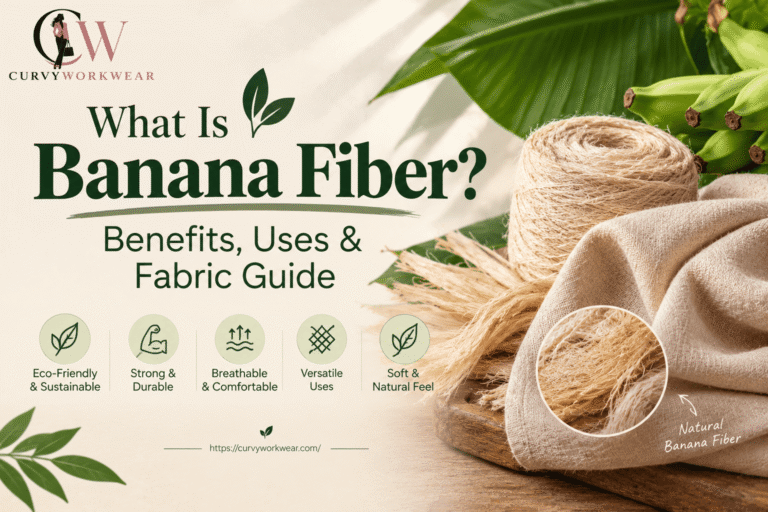
Also, consider the fabric’s quality, thickness, and construction. These factors can affect comfort and performance as much as fiber type. Always check the care label before making your final choice. The right fabric is the one that suits your needs and routine. If you like plant-based fabrics, you may also want to read about banana fiber fabric and how it compares with common clothing materials.
Final Thoughts
So, is viscose a good material? Yes, viscose can be a great choice for comfortable and stylish clothing. It feels soft, drapes nicely, and works well for many outfits. However, it can wrinkle easily and lose strength when wet. Proper washing and careful handling can help your clothes last longer. Before buying, check the fabric quality and care instructions.
Choose viscose if you want soft clothing with a smooth, flowing look. The best fabric always depends on your comfort, budget, and daily needs.
Disclaimer: This article is for general informational purposes only. Fabric quality, comfort, durability, and care needs can vary by manufacturer and garment construction. Always check the clothing label and follow the manufacturer’s care instructions before washing or ironing viscose garments. Individual experiences may differ depending on the fabric blend and how you use it.