
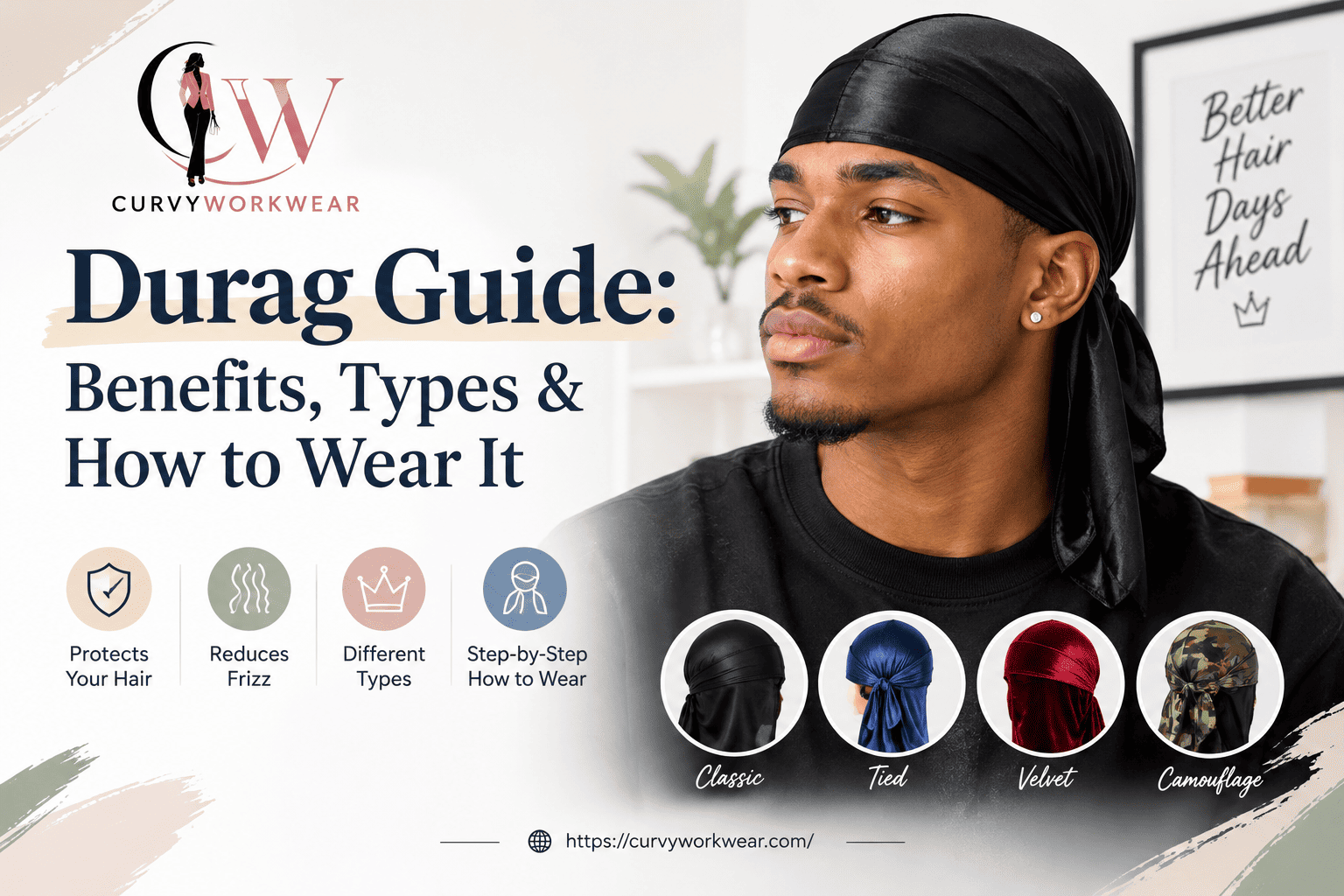
A durag is a popular head covering used to protect hair, maintain waves, and complete different looks. It comes in various fabrics, colors, and designs to suit different preferences. Many people wear a durag to keep their waves in place and reduce friction while sleeping. It can also help preserve hairstyles and manage frizz. Choosing the right durag depends on your hair type, comfort, and personal style. Silk, satin, and velvet are common options, each offering different features.
Learning how to wear a durag correctly can improve comfort and help protect your hairstyle. This guide explains the main benefits, popular types, proper wearing methods, and simple care tips to help you choose the right durag.
What Is a Durag?
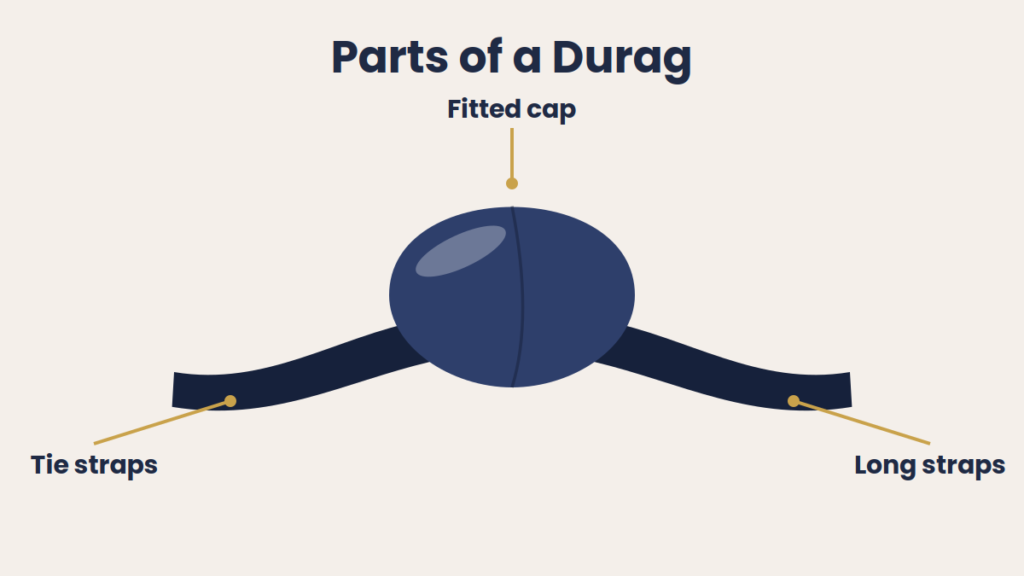
A durag is a head covering commonly worn for hair care and personal style. It usually has a fitted cap and long straps that tie around the head. Many people wear a durag to maintain waves and keep their hair in place. It can also reduce friction between hair and pillowcases during sleep. Durags come in different fabrics, including silk, satin, and velvet. Each material offers a different feel, appearance, and level of comfort.
What Is a Durag Used For?
A durag has a few common uses, depending on your hairstyle and routine. Many people wear one after brushing their hair to keep waves flat. Others wear a durag overnight to keep their style in place while they sleep. Some use it to cover braids or other styles during the day. A durag is also worn as a fashion accessory, as it comes in many colors and designs. Keep in mind that a durag does not make hair grow faster or guarantee healthier hair. Choose a comfortable fit and keep it clean for regular use.
What Are the Benefits of Wearing a Durag?
The main benefit of a durag is that it protects your hair from rubbing and movement. A smooth fabric can reduce friction against pillowcases, which may help limit tangles and frizz. It also helps certain hairstyles stay neat between washes. The results depend on the fabric, fit, and your hairstyle. A durag should always feel comfortable and never too tight.
How Does a Durag Help Maintain Waves?
A durag helps keep brushed hair in place while waves develop. It applies gentle pressure that helps the hair lie flat. Many people wear one after brushing their hair. They also wear it overnight to maintain their wave pattern. Regular brushing and proper hair care remain important. Learning how to care for wavy hair can also help you understand your hair’s needs. A durag alone cannot create waves without the right hair care routine.
Can a Durag Help Protect Hair From Friction?
Hair can rub against pillowcases during sleep, causing friction. This friction may contribute to tangles, frizz, and breakage. A durag creates a barrier between hair and the pillowcase. Smooth fabrics may help reduce this rubbing. However, results depend on the material and how you wear it. A tight durag may cause discomfort or place tension on the hairline.
How Does a Durag Help Preserve Hairstyles?
A durag can help keep certain hairstyles neat between washes. It may protect braids, waves, and other styles from rubbing. Proper curly hair care can also help you manage your hair’s needs. It also helps hold hair in place during sleep. However, it does not suit every hairstyle equally well. Choose a size that covers your hair without pulling tightly. Remove it if you notice pain, itching, or hairline tension. Tight head coverings can contribute to hair damage over time.
Benefits of Wearing a Durag
| Benefit | How It Helps |
|---|---|
| Wave maintenance | Helps keep waves in place |
| Friction reduction | Reduces rubbing against pillowcases |
| Hairstyle protection | Helps keep certain styles neat |
| Frizz control | May reduce friction-related frizz |
What Are the Different Types of Durags?
Durags come in different materials, colors, and designs. The fabric affects how a durag feels and looks. Silk, satin, and velvet are popular choices. Each type offers different features for comfort and styling.
Silk Durags
Silk durags feel smooth, soft, and lightweight. Real silk is a natural fiber made by silkworms. Its smooth surface can help reduce friction against hair. Silk durags may cost more than synthetic options. Check the product label to confirm the material.
Satin Durags
Satin durags have a smooth surface and come in many colors. Unlike silk, satin describes a weave rather than a specific fiber. Many options use polyester, making them an affordable choice for everyday wear. Always check the fabric label before buying one.
Velvet Durags
Velvet durags have a soft, raised surface and a rich appearance. Many styles feature bold colors and decorative designs. Some include a smooth lining that touches the hair. Check the lining before choosing one for regular use. A comfortable fit matters more than appearance alone.
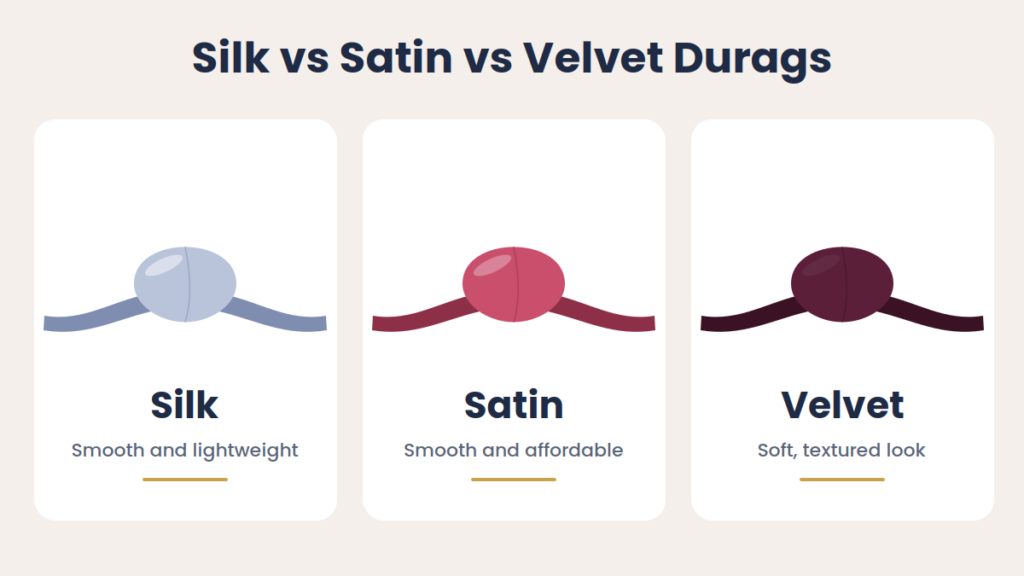
Types of Durags Compared
| Type | Main Feature | Best For |
|---|---|---|
| Silk | Smooth and lightweight | Comfortable hair coverage |
| Satin | Smooth surface and varied designs | Everyday use |
| Velvet | Soft, textured appearance | Fashion and styling |
How to Wear a Durag Correctly
Wearing a durag correctly helps keep your hair covered and comfortable. Follow these simple steps to secure it without pulling too tightly.
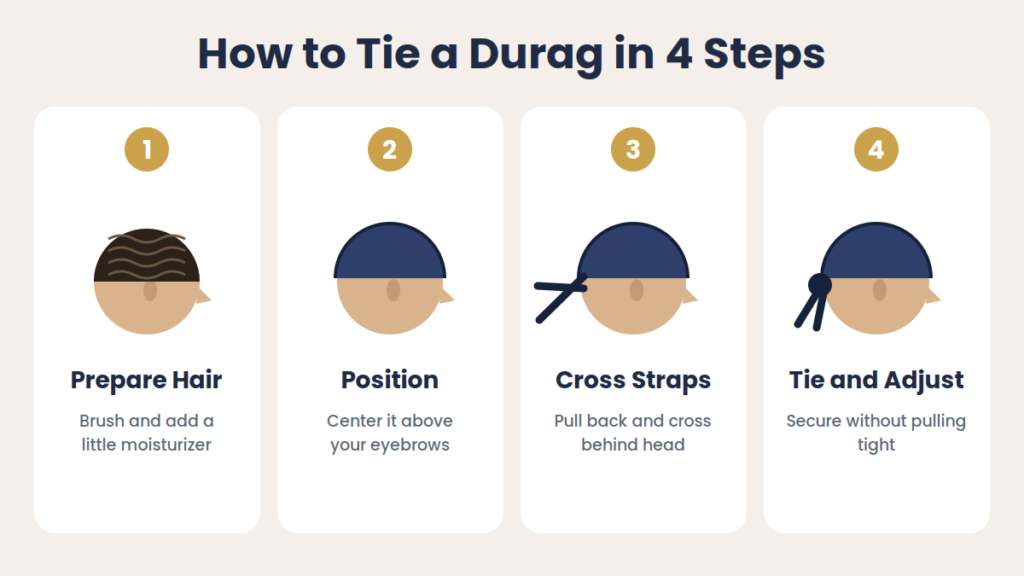
Step 1: Prepare Your Hair
Start by gently brushing or arranging your hair. If you want waves, brush your hair in your preferred direction. Apply a small amount of moisturizer if your hair needs it. Avoid using too much product, as it may transfer onto the fabric.
Step 2: Position the Durag
Place the durag over your head and center it properly. Keep the front edge near your hairline, above your eyebrows. Make sure the fabric covers your hair, sides, and back. Smooth out any folds before tying the straps.
Step 3: Tie the Straps Correctly
Hold one strap in each hand and pull them backward. Cross the straps behind your head without twisting them. Bring them forward and cross them over your forehead. Then take them back and tie a secure knot. Keep the straps flat to avoid uncomfortable pressure.
Step 4: Adjust the Fit for Comfort
Check that the durag covers your hair evenly. It should feel secure without squeezing your head. Loosen the straps if you notice pain or discomfort. Smooth the back flap or tuck it in if preferred. A comfortable fit helps you wear a durag without unnecessary tension.
How to Choose the Best Durag
Choosing the right durag depends on your hair, comfort, and personal style. The material, size, and straps can affect how it feels. Look for a design that covers your hair without pulling tightly. A good fit should feel secure without causing discomfort.
Consider Fabric and Hair Needs
Different fabrics offer different levels of softness and comfort. Silk feels smooth and uses natural fibers. Satin has a smooth surface and often costs less. Velvet offers a soft texture and a stylish look. Choose a fabric that suits your needs and budget. If you plan to wear a durag overnight, look for a smooth, comfortable material.
Choose the Right Size and Fit
Choose a durag that covers your head and hair properly. It should stay in place without squeezing your head. A tight fit can cause discomfort and put pressure on your hairline. A loose fit may slip off during sleep. Check the size guide before buying, especially when shopping online.
Check Strap Length and Stitching
Choose straps long enough to tie comfortably around your head. Wider straps may help spread pressure across your forehead. Check the stitching for loose threads or weak seams. Strong stitching can help the durag last longer with regular use. Also, check the inner surface for rough areas that may rub against your hair.
Durag Buying Guide
| Factor | What to Check |
|---|---|
| Fabric | Softness, smoothness, and breathability |
| Fit | Secure without excessive pressure |
| Straps | Comfortable length and width |
| Construction | Strong seams and neat stitching |
| Design | Colors and styles you prefer |
How to Wash and Care for a Durag
Washing your durag regularly helps remove sweat, oils, and hair product buildup. Proper care also helps protect its fabric, color, and shape. Always check the care label before washing.
Hand washing is a gentle option for most durags. Fill a basin with cool or lukewarm water and add mild detergent. Place the durag in the water and gently move it around. Rinse it well to remove any soap. Avoid twisting or wringing the fabric to remove water.
Some durable satin durags may allow machine washing. Place yours inside a mesh laundry bag and use a gentle cycle. Follow the care label to avoid damaging the material. Avoid bleach and harsh cleaning products.
After washing, gently press out excess water with a clean towel. Lay the durag flat or hang it to air dry. Keep it away from direct heat and strong sunlight. Make sure it dries completely before wearing or storing it. Store your clean durag in a dry place.
Durag vs. Bonnet: What Is the Difference?
A durag and a bonnet both help protect hair during sleep. However, they have different designs and uses. A durag has long straps that tie around the head. A bonnet usually has an elastic edge and covers the hair loosely.
Durags are popular for maintaining waves and keeping hair in place. Bonnets often suit curls, braids, and longer hairstyles. The best choice depends on your hair and styling needs. Both should fit comfortably without pulling on your hairline.
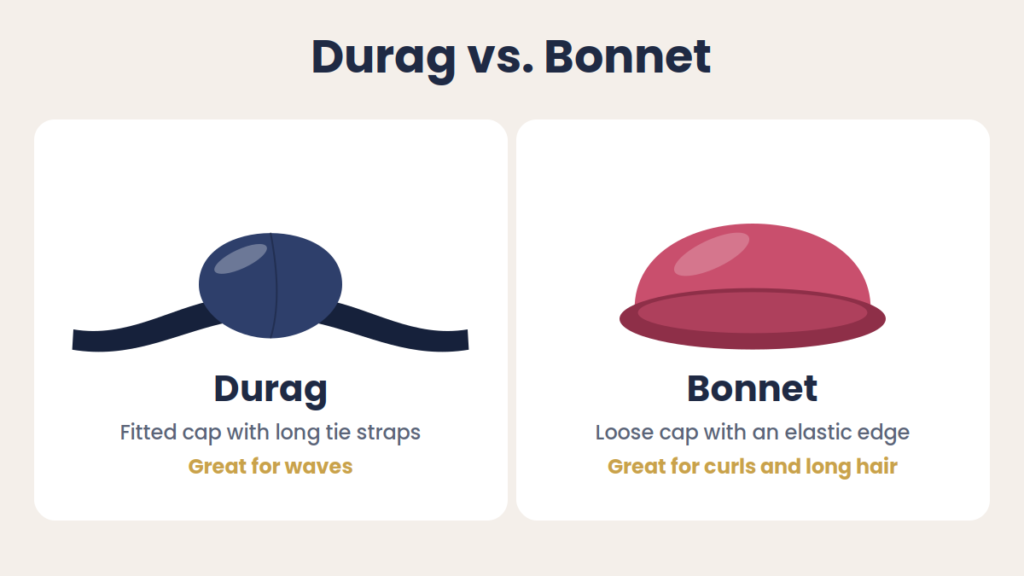
Durag vs. Bonnet
| Feature | Durag | Bonnet |
|---|---|---|
| Design | Fitted covering with long straps | Cap with an elastic edge |
| Common use | Wave maintenance and hair protection | Protecting curls and other hairstyles |
| Fit | Tied around the head | Usually secured with an elastic band |
| Suitability | Often used to maintain waves | Often useful for longer hairstyles |
Frequently Asked Questions About Durags
Can a Durag Help Hair Grow?
A durag does not directly make your hair grow faster. However, it may help reduce friction and protect certain hairstyles. This can help limit some hair breakage. Healthy hair growth also depends on genetics, nutrition, and scalp health. Avoid tying your durag too tightly, as repeated tension can damage hair follicles.
Should You Wear a Durag While Sleeping?
Yes, you can wear a durag while sleeping if it feels comfortable. It may help maintain waves and keep your hair in place. Choose a smooth fabric and tie it securely without pulling tightly. Wash your durag regularly to remove sweat and product buildup. Remove it if it causes itching, pain, or discomfort.
Is Silk or Satin Better for a Durag?
Both silk and satin can work well for a durag. Silk is a natural fiber, while satin describes a type of weave. Satin durags often use polyester and usually cost less. Both materials can provide a smooth surface that reduces friction. Choose one based on comfort, budget, and care needs.
Can You Wear a Durag Every Day?
Yes, you can wear a durag every day if it fits comfortably. Keep it clean and avoid tying it too tightly. Regular pressure on your hairline may contribute to breakage or hair loss. Remove it if you notice soreness, irritation, or thinning around your hairline. A comfortable fit helps protect your hair without unnecessary tension.
Conclusion
A durag is a useful accessory for maintaining waves and protecting hairstyles. It can help reduce friction and keep hair in place. Choosing the right fabric and fit makes wearing it more comfortable. Silk, satin, and velvet durags offer different styles and features. Wash your durag regularly to keep it clean and fresh. Avoid tying it too tightly to protect your hairline. With proper care, a durag can support your hair care routine and complete your everyday look.
Disclaimer: This article is for informational purposes only. Results may vary depending on your hair type, care routine, and durag material. A durag does not guarantee hair growth or prevent hair loss.