
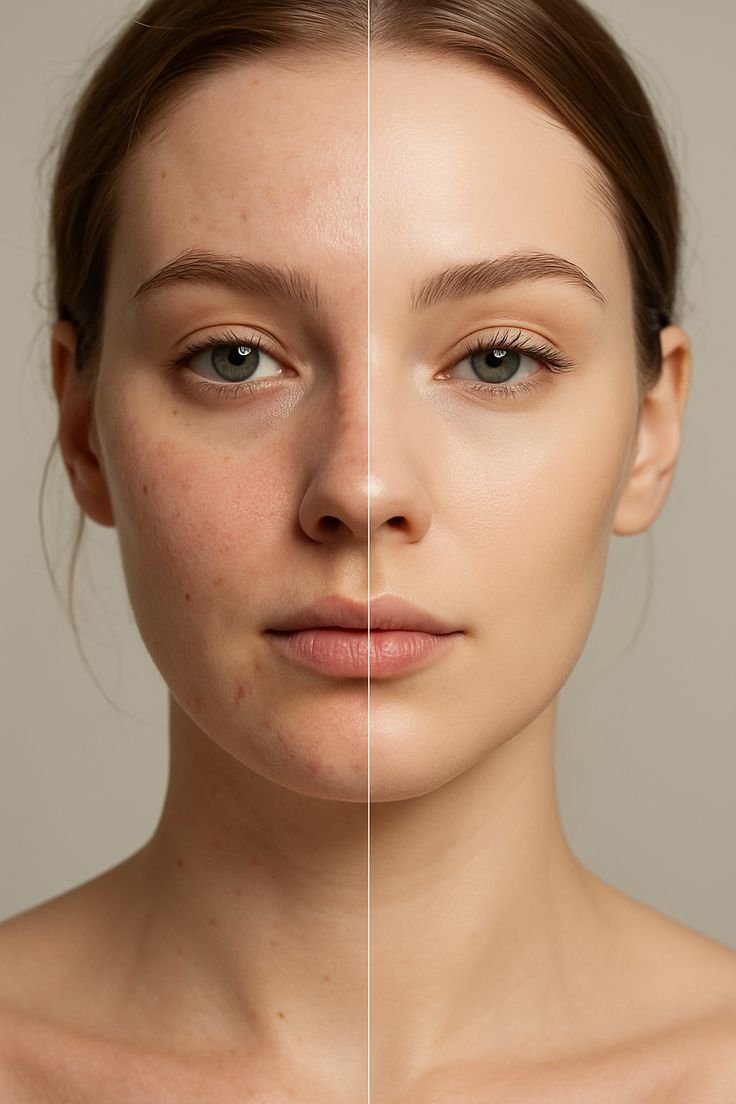
Somewhere between the rise of ten-step skincare routines and an endless stream of new “must-have” actives, a quieter concept has re-emerged as the actual foundation of healthy skin: the skin barrier. Where once the beauty industry pushed constant exfoliation and stronger actives as the path to glowing skin, there’s now a growing understanding that a compromised barrier undoes nearly every other skincare effort, no matter how expensive the products.
What the Skin Barrier Actually Is
The skin barrier, also called the stratum corneum, is the outermost layer of skin. It’s often described using a “bricks and mortar” analogy — skin cells act as the bricks, and lipids (fats) like ceramides, cholesterol, and fatty acids act as the mortar holding everything together. This structure serves two essential functions: keeping moisture in, and keeping irritants, allergens, and pollutants out.
When this barrier is intact and healthy, skin generally looks plump, feels comfortable, and tolerates products well. When it’s damaged, skin often becomes reactive, dehydrated, flaky, or unusually sensitive to products that never used to cause issues.
Signs Your Barrier May Be Compromised
A damaged skin barrier doesn’t always look dramatic. Common signs include:
- Skin that feels tight or dehydrated shortly after moisturizing
- Increased sensitivity or stinging when using products that were previously well-tolerated
- Persistent redness or a rough, uneven texture
- Breakouts that seem to worsen despite consistent skincare
- Dull, tired-looking skin that doesn’t respond to typical brightening products
These symptoms are frequently mistaken for other skin concerns — leading people to add more active ingredients rather than easing off, which often makes barrier damage worse rather than better.
The Most Common Causes of Barrier Damage
Over-Exfoliation Chemical exfoliants like AHAs and BHAs, along with physical scrubs, are effective in the right amounts but easily overused. Layering multiple exfoliating products, or using strong actives daily instead of a few times a week, is one of the most common causes of barrier disruption seen in modern skincare routines.
Harsh Cleansers Cleansers formulated to strip oil completely — often marketed for “deep cleaning” — can also strip away the lipids the barrier depends on. A cleanser that leaves skin feeling squeaky-clean and tight is frequently too harsh for regular use.
Combining Too Many Active Ingredients Retinoids, vitamin C, exfoliating acids, and other active ingredients are all beneficial individually, but stacking several potent actives into one routine without adequate hydration support can overwhelm the barrier faster than it can repair itself.
Environmental Stressors Sun exposure, pollution, and harsh weather all take a toll on the skin barrier over time, which is part of why consistent sunscreen use is considered one of the most protective habits in any skincare routine, barrier health included.
How to Repair and Support the Barrier
Simplify First When the barrier shows signs of damage, the most effective first step is usually reducing the routine to its essentials — a gentle cleanser, a barrier-supporting moisturizer, and sunscreen — while pausing actives like retinoids and exfoliating acids until skin calms down.
Look for Barrier-Supporting Ingredients Ceramides, cholesterol, fatty acids, niacinamide, and squalane are commonly recommended for barrier repair, as they closely mimic the skin’s natural lipid composition rather than working against it.
Avoid Hot Water Hot showers and hot water on the face feel good but strip natural oils more aggressively than lukewarm water, contributing to barrier stress over time.
Reintroduce Actives Slowly Once the barrier has recovered — often within a few weeks of a simplified routine — actives can be reintroduced gradually, one at a time, rather than all at once, to monitor how skin responds and prevent repeating the same cycle of damage.
Prioritize Consistent Moisture, Not Just Heavy Products Barrier repair isn’t necessarily about using the thickest, richest moisturizer available — it’s about consistent hydration paired with ingredients that support the skin’s own lipid structure, applied to slightly damp skin to help lock moisture in more effectively.
Rethinking the “More Is Better” Mentality
A significant amount of skincare marketing implies that visible results require constant active use and elaborate routines. In reality, many dermatologists and estheticians increasingly emphasize that a healthy, resilient barrier is what allows any active ingredient to work effectively in the first place. Skin that’s inflamed or compromised often can’t properly absorb or benefit from serums and treatments the way healthy skin can.
This reframes skincare less as a race to add more products, and more as an ongoing balance — using enough to address specific concerns, while never pushing so hard that the skin’s basic protective function breaks down.
The Long Game
Skin barrier health isn’t a quick fix or a single product away — it’s an ongoing relationship between what’s applied to the skin and how consistently the basics are respected. Understanding this foundation changes how skincare decisions get made: not “what’s the strongest product I can use,” but “what does my skin actually need to stay resilient.” That shift in mindset, more than any single ingredient, tends to produce the calm, healthy-looking skin most routines are chasing in the first place.