
Fashion has always been about self-expression, but in 2026, it’s also become a statement about values. Sustainable fashion — once a niche movement championed by a handful of eco-conscious brands — has moved firmly into the mainstream. Today, the question isn’t just “does this look good?” but “where did this come from, and what happens to it after I’m done wearing it?”
The Shift From Fast Fashion to Thoughtful Consumption
For decades, the fashion industry ran on speed: new trends every week, garments designed to be worn a handful of times before being discarded. That model is losing its grip. Consumers — especially younger generations — are increasingly asking brands hard questions about labor practices, material sourcing, and environmental impact.
This has given rise to a new kind of shopping behavior: conscious consumption. Instead of buying ten cheap pieces a season, people are investing in fewer, higher-quality garments that last years, not weeks. It’s a quiet rebellion against disposability, and it’s reshaping how brands design, market, and manufacture clothing.
What Sustainable Fashion Actually Looks Like Today
Sustainable fashion isn’t just about organic cotton tote bags anymore. It spans several key areas:
Circular Design Brands are designing garments with their entire lifecycle in mind — from biodegradable fabrics to modular pieces that can be repaired, resized, or repurposed rather than thrown away. Some labels now offer buy-back programs, where customers return worn garments in exchange for store credit, and the materials are recycled into new collections.
Transparent Supply Chains QR codes stitched into garment tags now let shoppers trace a piece of clothing back to the farm where the cotton was grown or the factory where it was stitched. This level of transparency was unheard of a decade ago, and it’s quickly becoming an expectation rather than a bonus feature.
Innovative Materials Mushroom leather, recycled ocean plastic, and lab-grown textiles are no longer futuristic concepts — they’re showing up on runways and in everyday wardrobes. These materials offer the look and feel of traditional fabrics without the same environmental toll.
Rental and Resale Culture Platforms that let people rent designer pieces for a single event or resell gently-used items have exploded in popularity. This shift treats clothing more like a shared resource than a disposable product, extending the life of each garment significantly.
Styling With Intention
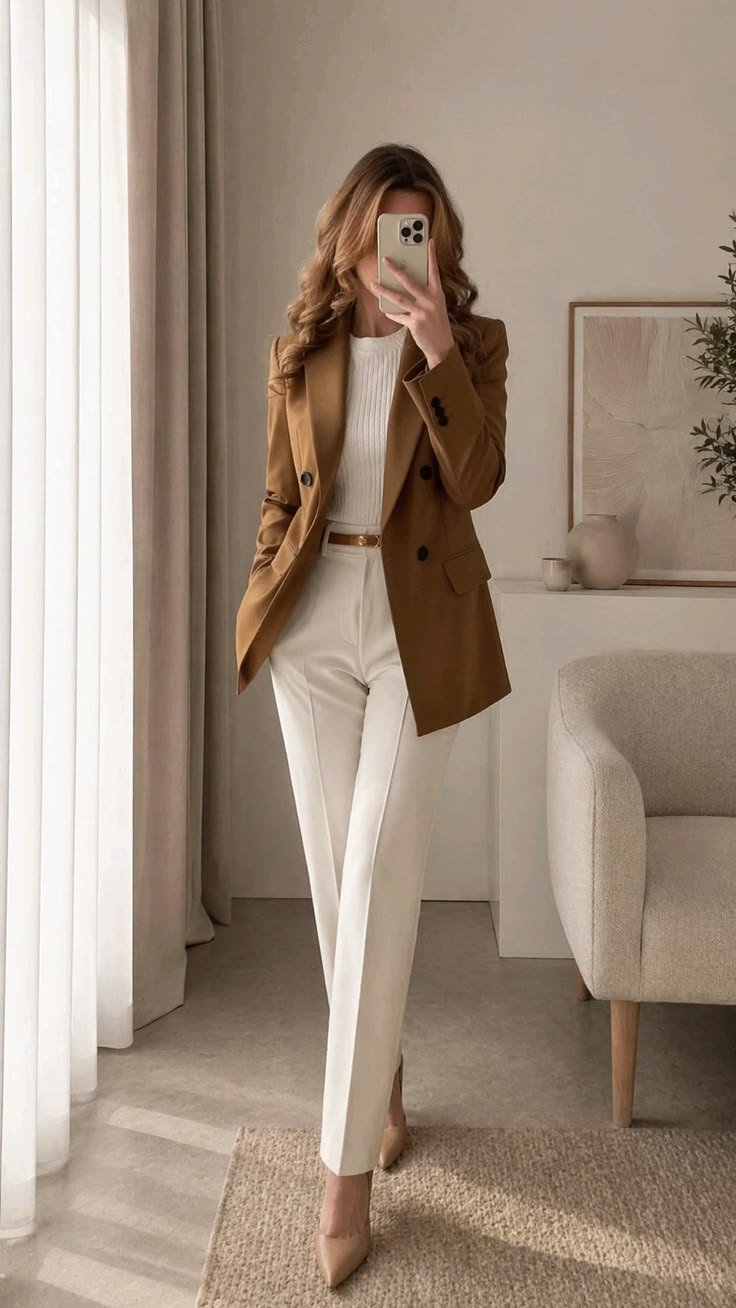
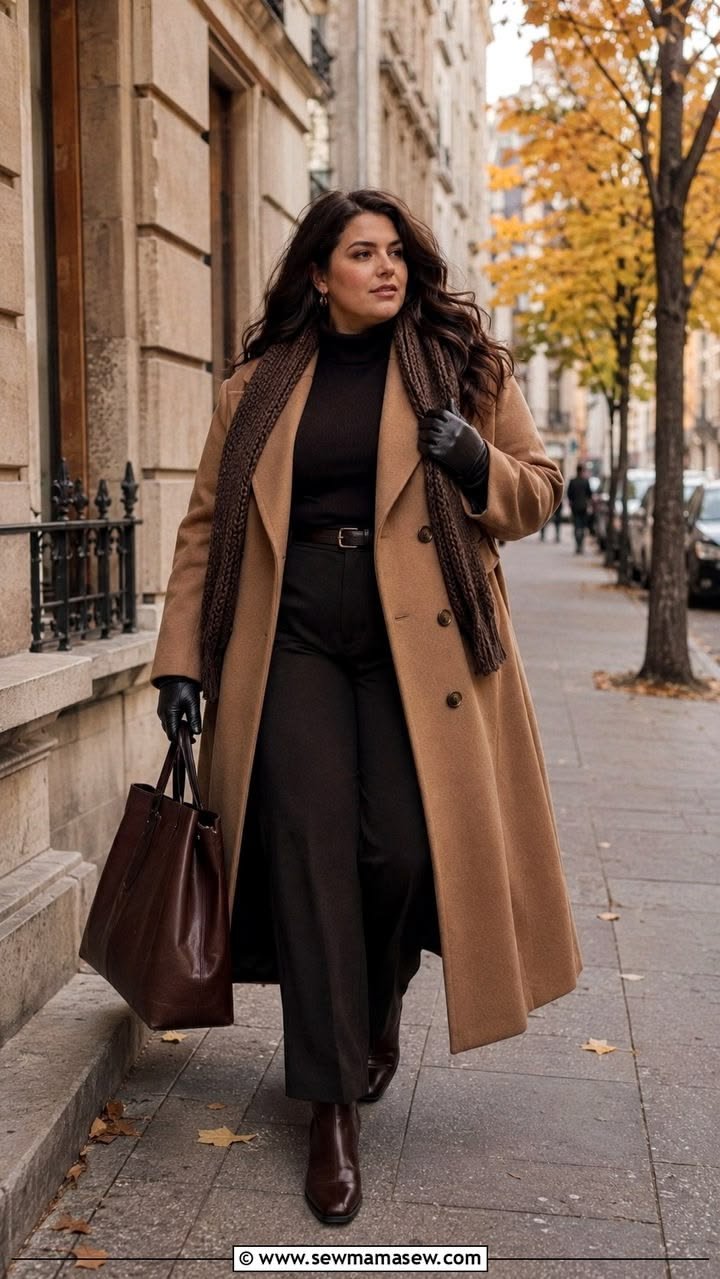
Building a sustainable wardrobe doesn’t mean sacrificing style. In fact, many of fashion’s most iconic looks have always leaned on longevity — a well-tailored blazer, a classic trench coat, a perfectly broken-in pair of leather boots. The modern sustainable wardrobe borrows from this philosophy:
- Invest in versatile basics that can be mixed and matched across seasons rather than chasing micro-trends.
- Choose natural, durable fabrics like wool, linen, and organic cotton that age gracefully and often improve with wear.
- Repair rather than replace — a loose button or small tear doesn’t mean a garment’s life is over.
- Shop secondhand first for statement pieces, since vintage and thrifted fashion often carries more character than anything off a fast-fashion rack.
The Road Ahead
The fashion industry is far from perfectly sustainable, and greenwashing remains a real concern — some brands slap an “eco-friendly” label on products without meaningful changes to their practices. Savvy shoppers are learning to look past marketing language and dig into actual certifications, material sourcing, and third-party audits before trusting a brand’s claims.
Still, the direction is clear. Sustainability is no longer a fringe movement in fashion — it’s becoming the industry’s new baseline expectation. As more consumers vote with their wallets, brands that fail to adapt risk being left behind, while those that embrace transparency and quality are poised to define the next era of style.
Fashion, at its best, has always evolved with culture. In 2026, that evolution is pointing toward a future where looking good and doing good aren’t competing goals — they’re the same thing.