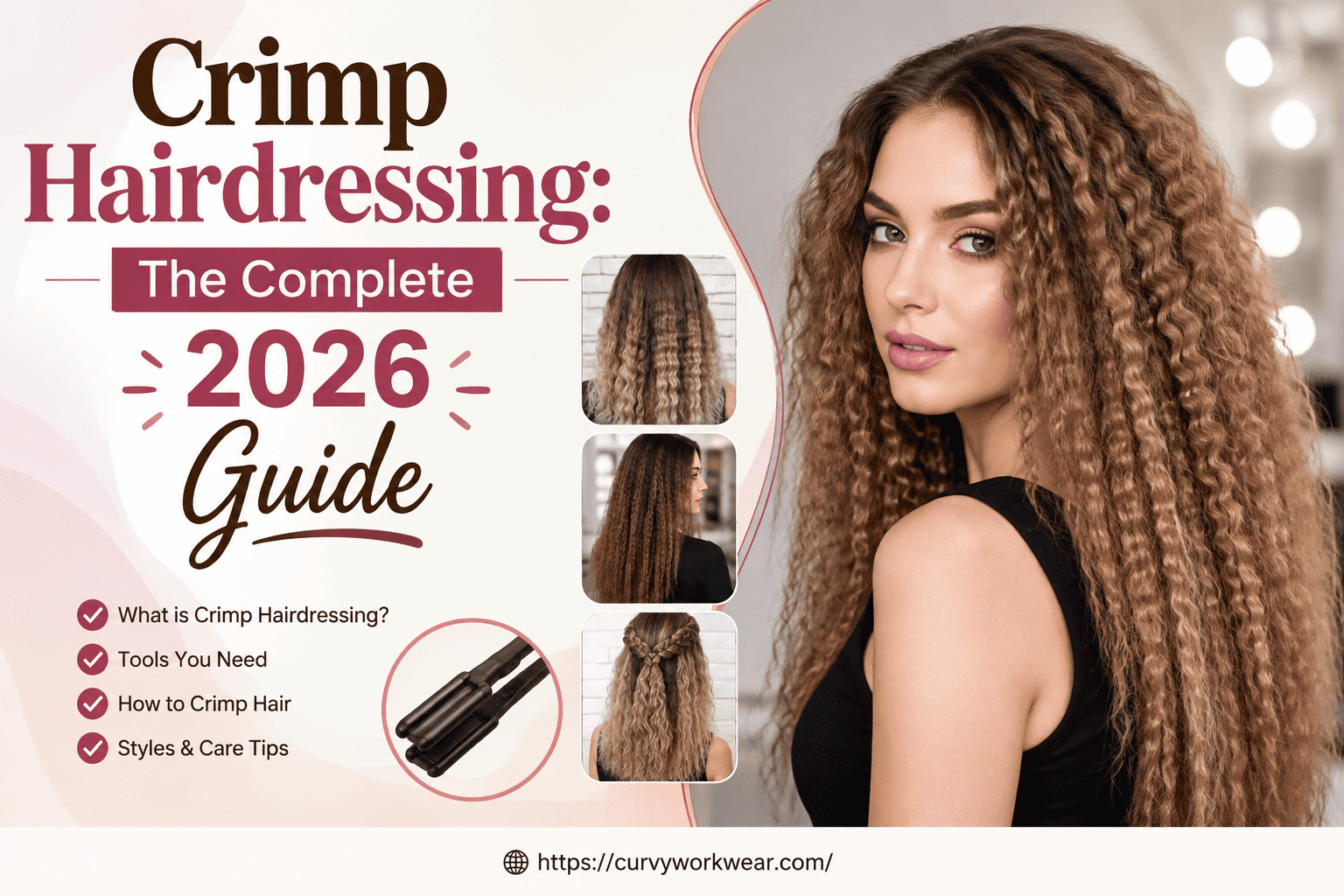
Remember the 80s? Big hair, bold colors, and those tight zig-zag waves everywhere. Crimp hairdressing is back, and this time it’s smarter, gentler, and easier to pull off.
Maybe you tried crimping once and burned your fingers. Or maybe you’ve never touched a crimping iron in your life. Either way, this guide covers everything you need.
We’ll walk through tools, techniques, heatless options, and the styles trending right now. By the end, you’ll know exactly how to get salon-quality crimped hair at home.
What Is Crimp Hairdressing?
Crimp hairdressing is a styling technique that creates tight, zig-zag waves in the hair. It’s different from curling or straightening.
A curling iron makes round curls. A flat iron makes hair smooth. But a crimping iron uses ridged plates to press small, sharp bends into each section of hair.
The result is texture with volume. Crimped hair looks fuller because the zig-zag pattern takes up more space than straight hair.
A Quick Look Back: 80s Crimped Hair
80s crimped hair was loud and proud. People crimped their entire head, often paired with bright hair colors and big bangs.
Back then, crimping tools were basic. They ran hot, and it took skill to avoid damage. That’s part of why this style disappeared for years — it had a reputation for being harsh on hair.
Today’s tools have changed that story completely.
Modern Crimp Hairstyle: What’s Different Now
A modern crimp hairstyle looks nothing like the full-head crimp from decades ago. Instead, stylists use crimping in small, targeted sections.
For example, a colorist might crimp just the roots for extra lift. Or a bride might get crimped face-framing pieces mixed with soft waves. This “partial crimp” trend feels fresh, not dated.
Why Crimping Is Trending in 2026
Hair styling trends 2026 lean heavily toward texture and movement. Sleek, straight hair has had its moment for years. Now, people want hair that looks lived-in and full of personality.
Crimping fits this mood perfectly. It adds instant texture without needing a perm, which is more permanent and harder on your hair.
Moreover, crimped roots have become a popular trick for adding height without teasing or heavy products. It’s a low-effort way to fake volume.
Crimp Hairdressing Techniques for Beginners
Getting a good crimp isn’t hard once you know the basic steps. Here’s a simple breakdown.
Tools You’ll Need
- A crimping iron with ceramic or tourmaline plates (these cause less damage than plain metal)
- A heat protectant spray
- Sectioning clips
- A fine-tooth comb
- Hairspray or a light-hold styling product
Step-by-Step Crimping Method
- Start with clean, dry hair. Wet hair and heat tools do not mix.
- Apply heat protectant spray from roots to ends.
- Divide your hair into small sections, about one inch wide. Smaller sections crimp more evenly.
- Clamp the crimping iron near the root and hold for a few seconds.
- Move down the section, repeating the clamp-and-release motion until you reach the ends.
- Let each section cool before touching it. This helps the crimp hold its shape.
- Finish with a light mist of hairspray.
Common Mistakes to Avoid
Many beginners crimp sections that are too large. This leads to uneven, messy waves instead of clean lines.
Another mistake is skipping heat protectant. Skipping this step increases the risk of dryness and breakage over time.
Finally, avoid running the iron too slowly down one section. This can create burnt patches or overly stiff texture.
Crimp Hair Without Heat: Heatless Options
Not everyone wants to use hot tools, and that’s completely fair. Heat styling, done often, can weaken hair over time. Luckily, crimp hair without heat is possible and works surprisingly well.
Braiding Method
Damp hair braided into small, tight braids overnight often creates a crimped effect once undone. The tighter and thinner the braids, the more defined the zig-zag pattern.
Twisted Rag Method
This old-school trick still works. Wrap small sections of damp hair around strips of fabric, secure them, and let your hair dry fully before unwrapping.
Flexi Rods or Bendy Sticks
Flexi rods aren’t just for curls. Using very small sections and rolling them tightly can produce a crimped, textured look once dry.
Heatless Crimped Hair Tips
Heatless crimped hair takes patience. It usually needs several hours or overnight drying time, so plan ahead if you have an event.
However, the payoff is real. Heatless methods skip the risk of heat damage entirely, which matters if you crimp your hair often.
Salon Crimp Hair vs. DIY: What’s the Difference?
Getting salon crimp hair means a professional handles sectioning, product choice, and finishing for you. Stylists also know how to blend crimped sections into the rest of your style so it looks intentional, not patchy.
At home, results depend on practice. Your first attempt might look a little rough, and that’s normal.
When to Choose a Salon
If you want crimping for a big event, like a wedding or photoshoot, a salon visit is worth it. Stylists can combine crimping with other techniques for a polished finish.
When DIY Makes Sense
For everyday texture or experimenting with a new look, doing it yourself at home is fine. It’s cheaper, and you can practice the techniques above until you find your rhythm.
Textured and Voluminous Hairstyles Using Crimping
Crimping is one of the easiest ways to build textured hairstyles without extra products. The natural ridges create grip, which helps hair hold curls or updos longer too.
Crimped Roots for Volume
Crimping just the roots and leaving the rest of your hair straight or wavy is a favorite trick among stylists. It’s subtle, but it adds real lift at the crown.
Half-Crimped, Half-Straight Looks
Try crimping only the top layer of hair while leaving the underneath sections smooth. This creates dimension and makes voluminous hairstyles feel more modern, not overdone.
Crimped Braids
Crimping hair before braiding it gives the braid extra texture and a fuller appearance. This works especially well for fishtail or Dutch braids.
How to Maintain Crimped Hair
Crimped hair can last one to three days, depending on your hair type and the products you use. Humidity and oily hair tend to loosen the pattern faster.
To help it last, avoid brushing through crimped sections. Brushing pulls out the zig-zag texture almost instantly. Instead, use your fingers to gently separate sections if needed.
Sleeping with a silk or satin pillowcase also helps reduce friction, which keeps the crimp intact longer.
FAQ: Crimp Hairdressing Questions Answered
Is crimping bad for your hair?
Crimping isn’t inherently bad for hair, but frequent heat use can cause dryness over time. Using a heat protectant and choosing heatless methods occasionally helps keep hair healthy.
How long does a crimp iron last?
A quality crimping iron with ceramic plates can last several years with proper care. Cheaper models may wear out faster or heat unevenly.
Can I crimp short hair?
Yes, short hair can absolutely be crimped, though results are often subtler since there’s less length to show the zig-zag pattern. Focus on crimping near the roots for the most visible effect.
Does crimped hair work for curly hair types?
Crimping works on curly hair too, though it’s best done on hair that’s been temporarily straightened or stretched. This helps the crimping iron create a clean, even pattern.
What’s the difference between crimping and perming?
Crimping is a temporary styling method using heat or heatless tools, while perming uses chemicals to permanently change hair structure. Crimps wash out or brush out, but a perm lasts for months.
Conclusion
Crimp hairdressing has come a long way from its 80s roots. Whether you love a bold, full-head crimp or prefer subtle crimped roots for volume, there’s a modern way to make this trend work for you.
We’ve covered the tools, the techniques, and even heatless methods for anyone avoiding heat damage. The key is starting with small sections, protecting your hair, and practicing patience.
Ready to try it? Grab your crimping iron, or a few flexi rods if you’re going heatless, and give your hair some fresh texture this week.