
Introduction
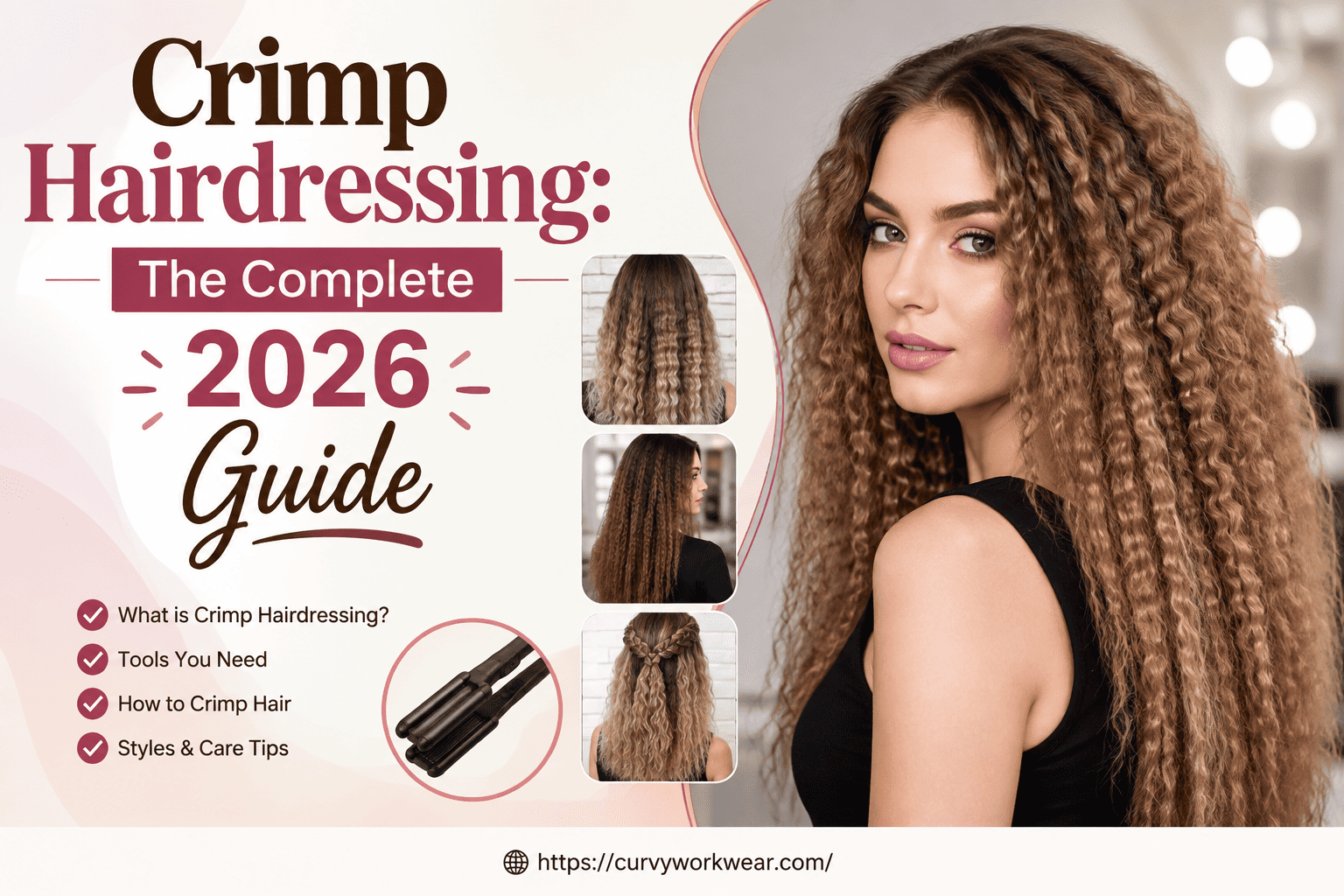
Crimped hair is making a stylish comeback in 2026. The traditional zigzag texture has returned with a softer, more polished appearance. Instead of crimping every strand, modern hairstyles use selective sections to create volume, texture, and movement.
Whether you prefer subtle waves or bold retro texture, you can achieve this look at home. You can use a crimping iron or try heatless methods with overnight braids.
This guide covers crimping tools, styling techniques, heat protection, and modern hairstyle ideas. You’ll also learn how to create textured hair without unnecessary heat damage.
What Is Crimp Hairdressing?
Crimp hairdressing is a styling technique that creates repeated zigzag waves throughout the hair. A traditional crimping iron uses textured plates to press small bends into individual sections.
Unlike curling irons, which create rounded curls, crimpers produce a more defined pattern. This texture can make hair appear fuller and add visual interest.
You can crimp your entire head or select a few sections. The result depends on the tool, plate size, hair texture, and styling technique.
A Quick Look at 80s and 2000s Crimped Hair
Crimped hair became especially popular during the 1980s and returned in the early 2000s. Both eras embraced noticeable texture, volume, and bold hairstyles.
The traditional look often featured tightly crimped hair from roots to ends. Today, stylists are taking a more selective approach.
Modern versions combine smooth sections with textured waves. This creates a softer appearance without losing the distinctive crimped effect.
How to Crimp Hair with a Straightener
You can create crimped waves with a regular flat iron using a simple zigzag technique.
- Start with completely dry, detangled hair.
- Apply a heat protectant and let it dry.
- Divide your hair into small sections.
- Hold one section and create a small bend by folding the hair forward and backward.
- Gently clamp the straightener over each bend for a few seconds.
- Repeat down the section, alternating the direction of each bend.
- Let your hair cool before separating the waves with your fingers.
- Finish with lightweight hairspray for longer-lasting texture.
Tip: Use a low effective heat setting and avoid holding the straightener in one place for too long.
Modern Crimp Hairstyles: What’s Different in 2026?
Crimped hairstyles are returning in a more refined form in 2026. Recent runway and celebrity looks feature softer waves, selective crimping, and glossy finishes.
Instead of styling every section, you can add texture around your face or throughout the mid-lengths. Some hairstyles also combine sleek roots with crimped sections for contrast.
Popular ways to wear modern crimped hair include:
- Soft crimped waves: Looser texture creates a relaxed, natural appearance.
- Root crimping: Small sections near the roots add lift and volume.
- Face-framing crimps: Textured pieces around the face add detail to simple hairstyles.
- Crimped ponytails: Selected sections add texture to sleek ponytails.
- Brushed-out crimps: Brushing softens defined zigzags into fuller, fluffy waves.
You can also experiment with different crimp sizes. Smaller plates create tighter zigzags, while larger wavers produce softer, broader waves.
Crimp Hairdressing Techniques for Beginners
Creating crimped hair at home is straightforward with the right preparation. Start with a suitable tool and avoid using excessive heat.
Tools You’ll Need
Gather these basic styling tools before starting:
- Crimping iron: Choose a tool with adjustable temperature settings and suitable plate sizes.
- Heat protectant: Helps reduce heat-related damage during styling.
- Sectioning clips: Keep hair separated for more even results.
- Wide-tooth comb: Helps detangle hair without unnecessary pulling.
- Lightweight styling product: Mousse or texturizing spray can help create volume and hold.
- Flexible-hold hairspray: Helps maintain the finished hairstyle without excessive stiffness.
Ceramic plates can distribute heat more evenly, but no plate material makes hot styling completely damage-free.
Step-by-Step Crimping Method
Follow these steps to create defined, even crimps at home.
- Start with completely dry hair. Never clamp a hot crimping iron onto wet or damp hair.
- Detangle your hair. Remove knots to help the tool move smoothly through each section.
- Apply heat protectant. Follow the product instructions and allow your hair to dry completely before using heat.
- Divide your hair into sections. Use clips to separate manageable sections for consistent results.
- Select a suitable temperature. Start with the lowest effective heat setting recommended for your hair and styling tool.
- Crimp each section carefully. Clamp briefly without pressing too hard. Move down the section without overlapping the previous pattern.
- Let your hair cool. Allow the texture to set before touching or brushing it.
- Finish your hairstyle. Use a light mist of flexible-hold hairspray or a small amount of finishing product.
Avoid repeatedly clamping the same section. Excessive heat and repeated passes can increase dryness and breakage.
Common Mistakes to Avoid
Many beginners crimp sections that are too large. This leads to uneven, messy waves instead of clean lines. Another mistake is skipping heat protectant. Skipping this step increases the risk of dryness and breakage over time. Finally, avoid running the iron too slowly down one section. This can create burnt patches or overly stiff texture.
Crimp Hair Without Heat: Heatless Options
Not everyone wants to use hot tools, and that’s completely fair. Heat styling, done often, can weaken hair over time. Luckily, crimp hair without heat is possible and works surprisingly well.
Braiding Method
Damp hair braided into small, tight braids overnight often creates a crimped effect once undone. The tighter and thinner the braids, the more defined the zig-zag pattern.
Twisted Rag Method
This old-school trick still works. Wrap small sections of damp hair around strips of fabric, secure them, and let your hair dry fully before unwrapping.
Flexi Rods or Bendy Sticks
Flexi rods aren’t just for curls. Using very small sections and rolling them tightly can produce a crimped, textured look once dry.
Heatless Crimped Hair Tips
Heatless crimped hair takes patience. It usually needs several hours or overnight drying time, so plan ahead if you have an event.
However, the payoff is real. Heatless methods skip the risk of heat damage entirely, which matters if you crimp your hair often.
Salon Crimp Hair vs. DIY: What’s the Difference?
Salon crimping and DIY styling can both create beautiful textured hairstyles. However, they differ in cost, convenience, styling precision, and professional assistance.
| Comparison | Salon Crimp Hair | DIY Crimp Hair |
|---|---|---|
| Cost | Usually costs more because you pay for professional styling. | More affordable after purchasing a crimping iron. |
| Styling Results | A stylist can create balanced, even crimps and blend different textures. | Results depend on your technique and styling experience. |
| Styling Time | Requires booking an appointment and visiting the salon. | You can style your hair whenever it suits your schedule. |
| Customization | Stylists can adjust crimp size, placement, and volume. | You have complete control over your preferred hairstyle. |
| Tools | Salons usually have professional styling equipment. | You need your own crimping iron and styling products. |
| Hair Protection | A skilled stylist can adjust heat based on your hair condition. | You must choose suitable heat settings and protect your hair yourself. |
| Convenience | Better for special occasions when you want professional finishing. | Better for everyday styling and experimenting at home. |
| Maintenance | You may need another appointment for future styling. | You can recreate the look whenever needed. |
When to Choose Salon Crimping
A professional salon is a good choice when you want a polished hairstyle for a wedding, party, photoshoot, or special event. A stylist can customize the crimp pattern according to your hair length, thickness, and desired finish. Professional styling can also help create more consistent results across different sections.
Consider a salon if you have damaged, heavily processed, or fragile hair and need advice about heat styling.
Textured and Voluminous Hairstyles Using Crimping
Crimping is one of the easiest ways to build textured hairstyles without extra products. The natural ridges create grip, which helps hair hold curls or updos longer too.
Crimped Roots for Volume
Crimping just the roots and leaving the rest of your hair straight or wavy is a favorite trick among stylists. It’s subtle, but it adds real lift at the crown.
Half-Crimped, Half-Straight Looks
Try crimping only the top layer of hair while leaving the underneath sections smooth. This creates dimension and makes voluminous hairstyles feel more modern, not overdone.
Crimped Braids
Crimping hair before braiding it gives the braid extra texture and a fuller appearance. This works especially well for fishtail or Dutch braids.
How to Maintain Crimped Hair
Crimped hair can last one to three days, depending on your hair type and the products you use. Humidity and oily hair tend to loosen the pattern faster.
To help it last, avoid brushing through crimped sections. Brushing pulls out the zig-zag texture almost instantly. Instead, use your fingers to gently separate sections if needed.
Sleeping with a silk or satin pillowcase also helps reduce friction, which keeps the crimp intact longer.
FAQ: Crimp Hairdressing Questions Answered
Is crimping bad for your hair?
Crimping isn’t inherently bad for hair, but frequent heat use can cause dryness over time. Using a heat protectant and choosing heatless methods occasionally helps keep hair healthy.
How long does a crimp iron last?
A quality crimping iron with ceramic plates can last several years with proper care. Cheaper models may wear out faster or heat unevenly.
Can I crimp short hair?
Yes, short hair can absolutely be crimped, though results are often subtler since there’s less length to show the zig-zag pattern. Focus on crimping near the roots for the most visible effect.
Does crimped hair work for curly hair types?
Crimping works on curly hair too, though it’s best done on hair that’s been temporarily straightened or stretched. This helps the crimping iron create a clean, even pattern.
What’s the difference between crimping and perming?
Crimping is a temporary styling method using heat or heatless tools, while perming uses chemicals to permanently change hair structure. Crimps wash out or brush out, but a perm lasts for months.
Conclusion
Crimp hairdressing has come a long way from its 80s roots. Whether you love a bold, full-head crimp or prefer subtle crimped roots for volume, there’s a modern way to make this trend work for you.
We’ve covered the tools, the techniques, and even heatless methods for anyone avoiding heat damage. The key is starting with small sections, protecting your hair, and practicing patience. Ready to try it? Grab your crimping iron, or a few flexi rods if you’re going heatless, and give your hair some fresh texture this week.