Your cuticles look dry, your polish chips fast, and your last manicure barely lasted a week. Sound familiar?
That’s exactly why so many people are switching to the Russian manicure. It’s one of the most talked-about nail trends right now, and for good reason.
This style uses a different tool and technique than the classic manicure you’re used to. It promises cleaner cuticles, longer-lasting polish, and a smoother finish overall.
But is it right for you? In this guide, we’ll cover everything: what a Russian manicure actually is, its real benefits, the risks nobody talks about, how much it costs, and what to expect before and after. By the end of this guide, you’ll have a clear understanding of what to expect from a Russian manicure.
What Is a Russian Manicure, Exactly?
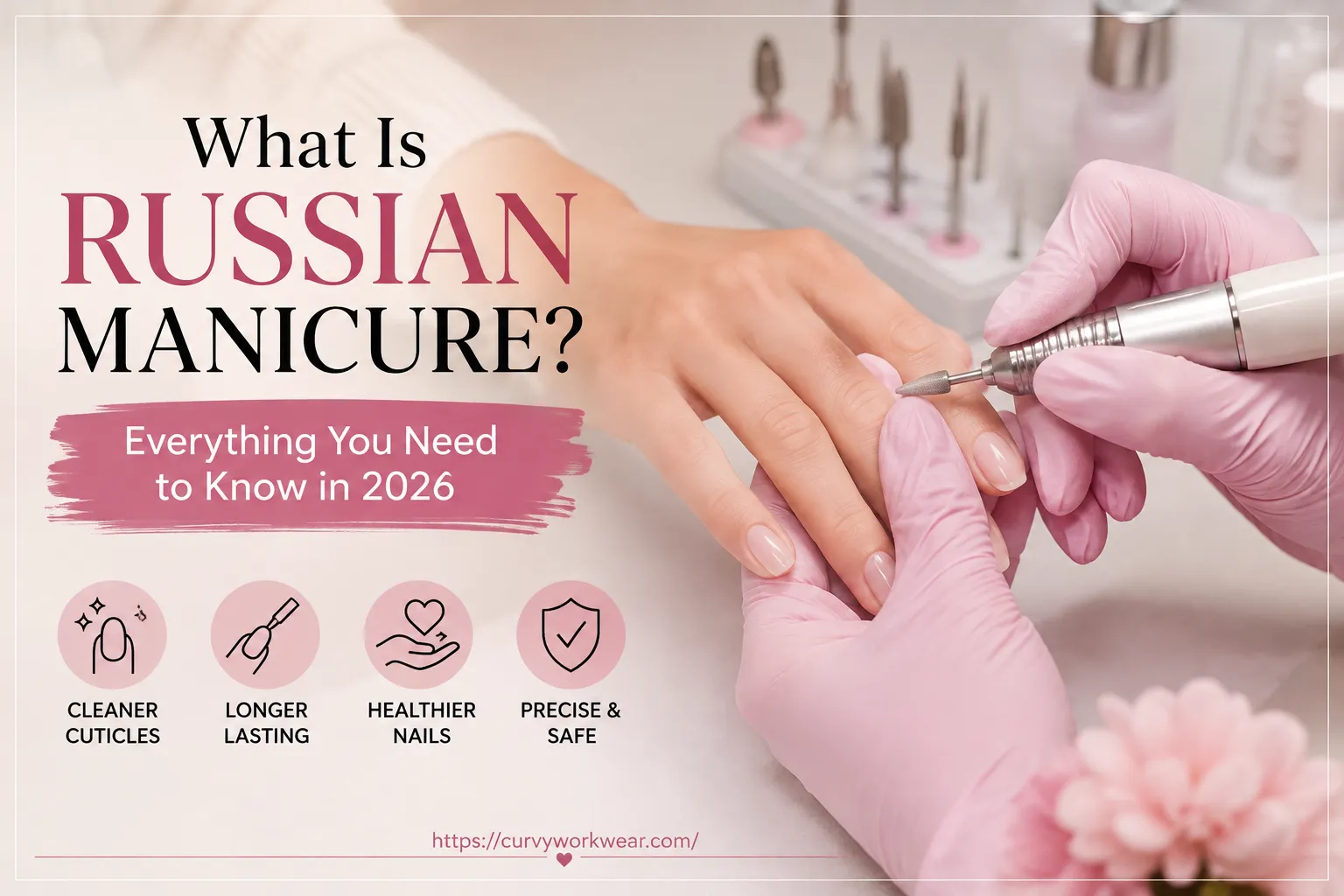
A Russian manicure is a nail technique that started in Russia and Eastern Europe. It focuses on removing dead skin around the nail using an electric drill (called an e-file) instead of soaking your hands or pushing back cuticles with a metal tool.
The technician uses small drill bits to gently buff away dry skin and lifted cuticle tissue. This is done dry, with no water soak beforehand.
How It’s Different from a Regular Manicure
A regular manicure often starts with soaking your nails in warm water. Then the technician pushes or clips the cuticles.
A Russian manicure skips the soak completely. The dry skin is filed away with a drill, which lets the technician work closer to the nail bed. This is why the result often looks neater and lasts longer.
The Tools Used
The main tool is an electric nail drill with different bit attachments. Some bits are for shaping the nail. Others are soft and designed only for cuticle work.
A trained technician switches bits depending on the task. This precision is what makes the technique both effective and risky if done wrong.
Russian Manicure Benefits
People aren’t just following a trend blindly. There are real reasons this method has become popular.
Longer-Lasting Polish
Because the cuticle area is cleaned so thoroughly, polish and gel have more nail surface to stick to. Many people report their manicure lasting three to four weeks without lifting.
A Cleaner, Neater Look
The dry technique removes hangnails and rough skin around the nail plate. Your nails can look sharper and more polished, almost like a French tip even without color.
Good for Short Nail Beds
If you have small or short nail beds, this method can make your nails appear longer. Removing extra cuticle skin exposes more of the actual nail.
Less Nail Damage Over Time (When Done Right)
Unlike cuticle clippers, which can nick skin and cause hangnails, a skilled technician using the right drill speed causes less trauma to the surrounding skin.
Russian Manicure Risks
This is the part most salons won’t mention upfront, but you need to know it.
Higher Chance of Infection
The eponychium is a thin layer of skin that protects the nail matrix from bacteria. Some Russian manicure techniques remove this layer completely.
Health experts, including dermatologists, have raised concerns about this. Removing this protective skin can leave the area more open to bacterial or fungal infection if the tools aren’t sterilized properly.
Requires a Highly Skilled Technician
This is not a beginner-friendly technique. A slightly wrong angle or too much pressure from the drill can cut the skin or damage the nail bed.
If your technician isn’t certified or experienced, the risk of injury goes up a lot.
Tool Sterilization Matters
Because this method involves cutting into skin (even in small amounts), unsterilized tools can spread infections between clients. Always ask the salon how they clean and sterilize their drill bits.
Not Ideal for People with Certain Conditions
If you have diabetes, poor circulation, or a weak immune system, talk to a doctor before getting this manicure. Any cut or infection risk is more serious for these groups.
Russian Manicure Cost
Prices vary a lot depending on your city, the salon’s reputation, and whether you add gel polish or nail art.
Generally speaking, a Russian manicure tends to cost more than a standard manicure because it takes longer and requires specialized training. In many places, it can run anywhere from a bit above a basic manicure price to a noticeably higher premium rate, especially at salons that specialize in the technique.
Since prices change often and vary by location, it’s best to call a few local salons and ask for their current rate before booking. Don’t be afraid to ask if the price includes gel polish, nail shaping, or just the cuticle work.
Russian Manicure Before and After: What to Expect
Knowing what happens during the actual appointment can ease a lot of nerves.
Before the Appointment
Your nails should be clean and free of old polish. Avoid soaking your hands beforehand since the technique works better on dry skin.
If you have any active cuts, hangnails, or skin infections, mention this to your technician or reschedule.
During the Service
The technician will use the e-file to shape your nails first. Then they’ll switch to a soft cuticle bit and slowly clean the skin around each nail.
This part should never feel painful. A little pressure is normal, but sharp pain or bleeding means something is wrong.
After the Appointment
Right after, your nails often look noticeably cleaner. The skin around the nail appears smoother, and the nail bed looks longer.
For the first day or two, your fingers might feel a little more sensitive than usual. This is normal since a thin layer of skin was removed.
Long-Term Results
With regular Russian manicures every three to four weeks, many people notice their cuticles grow back softer and neater over time. However, this depends on your natural skin type and how well you moisturize between appointments.
How to Choose a Safe Salon
Not all salons are equal, so a little research goes a long way.
Check Certifications
Ask if the technician has specific training in the Russian manicure or e-file techniques. This isn’t the same as a general nail technician license.
Ask About Hygiene Practices
A good salon will happily explain their sterilization process. If they seem vague or dismissive, that’s a red flag.
Read Recent Reviews
Look for reviews that specifically mention this service, not just general nail reviews. Recent feedback tells you how the salon is performing right now.
Start Small
If you’re trying this for the first time, consider a simple version without heavy cuticle removal. You can always ask for more next time once you trust the technician.
FAQ: Russian Manicure Questions Answered
Is a Russian manicure bad for your nails?
It’s not automatically bad, but it can be risky if done by an untrained technician or with dirty tools. When done correctly by a skilled professional, most people don’t experience nail damage.
How long does a Russian manicure last?
Many people report their polish lasting three to four weeks, longer than a typical manicure. Actual results depend on your nail growth and daily activities.
Can I get a Russian manicure at home?
It’s not recommended for beginners. The e-file technique requires training, and using it incorrectly at home can cause cuts or infections.
Does a Russian manicure hurt?
It shouldn’t hurt if done properly. You might feel light pressure or vibration from the drill, but sharp pain or bleeding is a sign to stop immediately.
What’s the difference between a Russian manicure and a regular gel manicure?
A regular gel manicure focuses mainly on polish application after a basic cuticle push. A Russian manicure focuses heavily on the dry cuticle cleanup process using an e-file before any polish goes on.
Conclusion
A Russian manicure can give you cleaner cuticles, longer-lasting polish, and a neater overall look. However, it comes with real risks if the technician isn’t properly trained or the tools aren’t sterilized.
Before booking, ask questions about certification and hygiene. Start with a lighter version if it’s your first time, and always listen to your skin.
If you’re curious about trying it, look for a licensed salon near you with solid reviews for this specific technique. Your nails (and your peace of mind) will thank you.