Introduction
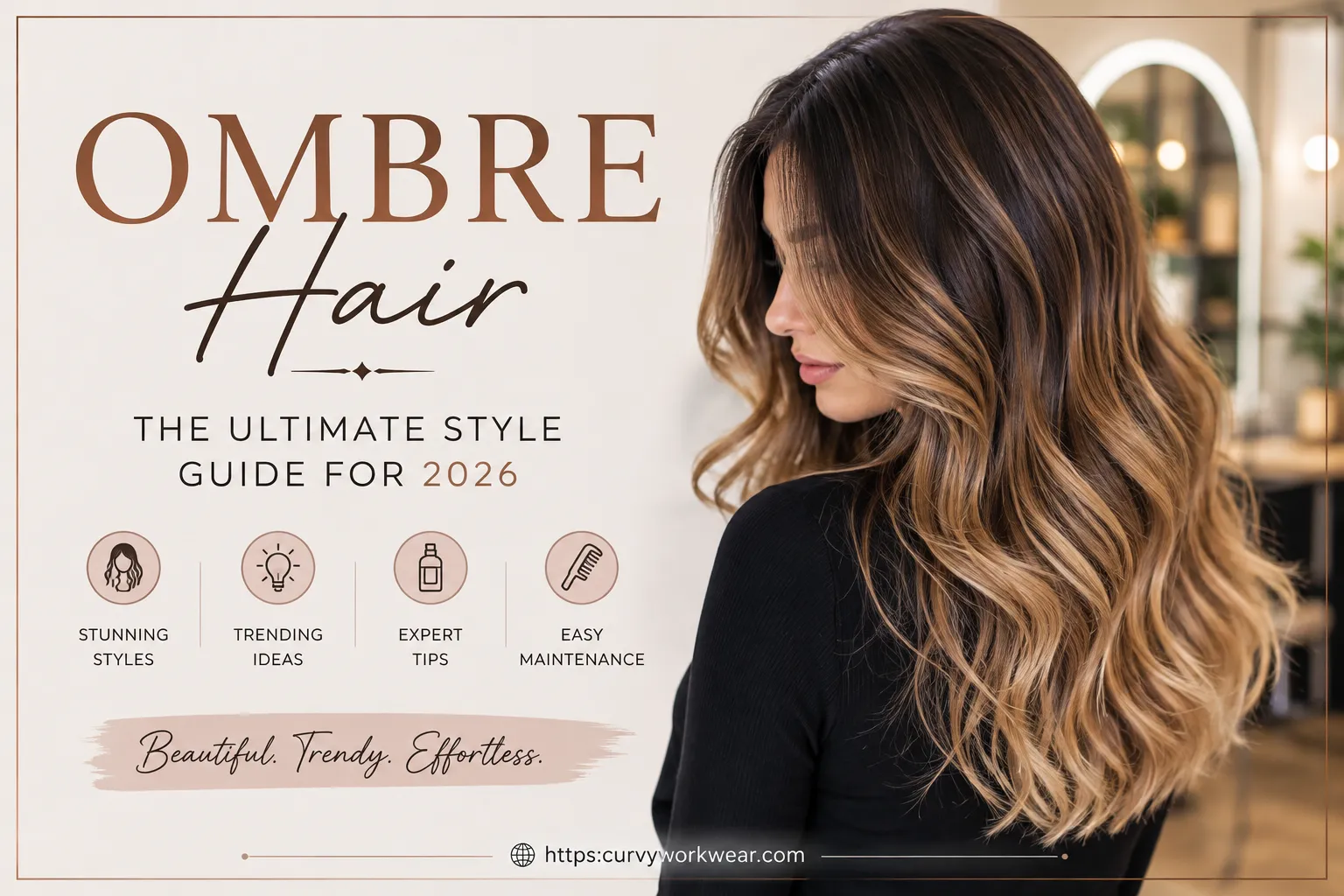
Ever seen hair that fades from dark roots into sun-kissed ends, almost like a sunset? That’s ombre hair, and it’s one of the most loved color trends around.
If you’re tired of flat, single-tone hair color, ombre hair might be exactly what you need. This style blends two shades smoothly, so you get depth and dimension without harsh lines.
In this guide, you’ll learn what ombre hair really is, the best styles to try, and simple tips to keep it looking fresh. We’ll also cover the honest pros and cons, so you know exactly what you’re signing up for.
What Is Ombre Hair?
Ombre comes from a French word that means “shaded” or “shadow.” In hair coloring, it means your roots stay darker and your ends turn lighter.
The color change happens gradually. There’s no sharp line between the two shades. According to L’Oréal Professionnel, the technique creates a seamless graduation from a darker base color to lighter ends, usually starting around the midpoint of the hair.
How Ombre Is Different From Balayage
People often mix up ombre and balayage, but they’re not the same thing.
Ombre focuses on a horizontal gradient, dark at the top and light at the bottom. Balayage, on the other hand, uses a hand-painted technique that adds highlights throughout the hair for a more scattered, natural look.
In short, ombre is bolder and more structured. Balayage is softer and more random. Both look great, but they suit different styles and personalities.
Popular Ombre Hair Styles
Ombre hair styles have grown a lot since the trend first became popular. Today, there’s a version for almost every hair color and personality. If you’re also curious about how your natural texture affects styling, our guide on why hair grows curly is worth a read too.
Classic Brown to Blonde Ombre
This is the original ombre look. Dark brown roots fade into warm blonde ends. It works well on most skin tones and is a great starting point if you’re new to ombre.
Black to Brown Ombre
This subtle style keeps things natural. Black roots blend into soft brown ends, giving a low-maintenance look that still adds dimension to your hair.
Red Ombre
Red ombre hair ranges from deep auburn roots to bright copper ends. It’s a bold choice for people who want their hair to stand out without going fully red.
Silver and Gray Ombre
Silver ombre has become a favorite for people who want a modern, edgy look. It works especially well on darker hair bases, creating a striking contrast.
Pastel Ombre
Pastel shades like pink, lavender, and mint blend beautifully into an ombre style. This look tends to suit lighter hair bases best, since pastel tones show up more clearly on blonde or light brown hair.
Reverse Ombre
Instead of dark roots and light ends, reverse ombre flips the pattern. Lighter roots fade into darker ends. It’s a fun twist for people who want something a little different.
Advantages and Disadvantages of Ombre Hair
Ombre hair looks amazing, but it’s not the right fit for everyone. Here’s an honest look at both sides before you book an appointment.
Advantages
- Low maintenance. Since the roots stay close to your natural color, regrowth doesn’t create harsh lines. You can go longer between salon visits.
- Works on most hair types. Ombre can be adapted for straight, wavy, or curly hair, and for short or long lengths.
- Highly customizable. You can go subtle with a soft brown-to-blonde fade or bold with pastels and bright colors.
- Adds dimension. Even simple hairstyles look more textured and lively with an ombre fade.
Disadvantages
- Bleaching can damage hair. Lightening the ends, especially on dark hair, can leave strands dry or brittle if not cared for properly.
- Not instant. Getting a smooth, natural-looking gradient takes a skilled colorist and can take a few hours in the salon.
- Upkeep still needed. While ombre needs fewer root touch-ups, the lightened ends still need extra conditioning and protection.
- Can be pricier upfront. A professional ombre service, especially on dark or resistant hair, may cost more than a single all-over color.
How to Choose the Right Ombre Style for You
Picking the right ombre hair color isn’t just about what looks good in photos. A few factors make a real difference.
Consider Your Skin Tone
Warm skin tones usually pair well with golden, caramel, or copper ombre shades. Cool skin tones tend to look great with ash blonde, silver, or cool brown tones.
Think About Your Natural Hair Color
Going from very dark hair to very light ends can require more bleaching, which means more damage risk. If you’re deciding between colors, our guide on choosing the best black hair dye can help you understand how your base color affects the final result.
Factor in Your Lifestyle
If you don’t want frequent salon visits, choose a soft, natural ombre. If you love change and don’t mind touch-ups, bold colors like red or pastel might suit you better.
Ombre Hair Color Process: What to Expect
Getting ombre hair done at a salon usually takes a few hours, depending on your hair length and starting color. Professional brands like Wella Professionals note that a lightener is typically applied mainly to the mid-lengths and ends, while the roots are left untouched or deepened for contrast.
Step 1: Consultation
A good colorist will first check your hair’s current condition and color. They’ll talk with you about the shade you want and how it will look on your hair type.
Step 2: Sectioning and Lightening
Your hair gets divided into sections. The colorist applies lightener starting from mid-length down to the ends, leaving the roots untouched.
Step 3: Toning
Once the lightened sections reach the right shade, a toner is applied. This step removes any brassy or yellow tones and gives you the final, polished color.
Step 4: Finishing Touches
After rinsing, your colorist may add a deep conditioning treatment. This helps repair some of the stress the hair went through during lightening.
Keep in mind, the exact process and time can vary between salons and hair types. It’s always best to ask your stylist for specifics before you book an appointment.
Ombre Hair Maintenance Tips
Ombre hair color looks stunning, but it does need some care to stay that way. For more general upkeep advice, check our full hair care section too.
Use Color-Safe Shampoo and Conditioner
Regular shampoo can strip color faster than you’d like. Switch to a sulfate-free, color-safe shampoo to help your ombre last longer.
Wash Hair Less Often
Washing your hair every day fades color quickly. Try to stretch out washes to two or three times a week if you can. Dry shampoo can help in between.
Deep Condition Regularly
Since ombre often involves bleaching the ends, those parts of your hair need extra moisture. A weekly deep conditioning treatment or hair mask can prevent dryness and breakage.
Protect Hair From Heat
Heat styling tools can dry out already-processed hair even more. Use a heat protectant spray every time you use a flat iron, curling iron, or blow dryer.
Use Cool Water When Washing
Hot water opens the hair cuticle, which lets color escape faster. Cool or lukewarm water helps seal the cuticle and keep your color locked in.
Schedule Regular Trims
Split ends make color look dull and messy. Getting a trim every 8 to 12 weeks keeps your ombre hair looking neat and healthy.
Touch Up as Needed
Ombre doesn’t need touch-ups as often as all-over color since it grows out more naturally. Many people go back every 3 to 4 months for a refresh, depending on hair growth and how bold the color is.
Ombre Hair Features and Styling Tips
One of the best things about ombre hair is how well it works with different hairstyles. It adds movement and interest to almost any look. Madison Reed points out that wavy hair, straight hair, and braids all showcase the color transition in their own way.
Styling With Curls
Curling your hair brings out the ombre effect beautifully. Each curl shows off the gradual color change, making the style look more textured and lively.
Styling With Braids
Braids are perfect for ombre hair. As the braid moves down, you can actually see the shade shift, which creates a really eye-catching effect.
Styling With Straight Hair
If you prefer sleek, straight hair, ombre still shows up clearly. The color transition runs the length of your strands, not just at the surface.
Adding Layers
Layered haircuts can enhance an ombre look by adding extra depth. The different layers catch light differently, making the color transition look even more dynamic.
FAQ: Common Questions About Ombre Hair
Is ombre hair damaging?
Ombre hair can cause some damage since it often involves bleaching, especially if you’re going from dark to light. However, using color-safe products and deep conditioning regularly can help minimize the damage.
How long does ombre hair color last?
Ombre color can last several months since it grows out naturally without an obvious root line. Many people wait 3 to 4 months between touch-ups, though this depends on hair growth and color choice.
Can I do ombre hair at home?
Yes, at-home ombre kits are available, but the process can be tricky to get even and natural-looking. For dramatic color changes, it’s safer to visit a professional colorist.
Does ombre hair suit short hair?
Yes, ombre works on short hair too, though the color transition will be more subtle since there’s less length to work with. Many stylists adjust the technique to fit shorter cuts.
What’s the difference between ombre and balayage again?
Ombre creates a clear gradient from dark roots to light ends. Balayage adds hand-painted highlights scattered throughout the hair for a softer, more natural effect.
Conclusion
Ombre hair is a fun, flexible way to add color and dimension to your hair without committing to an all-over dye job. From classic brown-to-blonde fades to bold pastel looks, there’s an ombre hair style for almost everyone.
The key to keeping your ombre looking great is simple: use gentle, color-safe products, protect your hair from heat, and stay on top of trims. With a little care, your ombre hair color can stay vibrant and healthy for months.
If you’re thinking about trying ombre hair, talk to a professional colorist about which style and shade would work best for your hair type and lifestyle. They can help you get the exact look you want while keeping your hair as healthy as possible.lorist about which style and shade would work best for your hair type and lifestyle. They can help you get the exact look you want while keeping your hair as healthy as possible.
Disclaimer: This article is for general information only and does not replace professional advice. Hair color results and maintenance vary by hair type and products. Consult a professional stylist before making a major color change.