Your skin feels rough, looks dull, and no amount of scrubbing at home seems to fix it. That’s usually a sign your skin needs deeper exfoliation than a home scrub can offer. Vibradermabrasion is a gentle, in-office treatment built for exactly that problem.
If you’ve never heard the term before, you’re not alone. It sounds technical, but the idea behind it is simple. A trained esthetician or dermatology provider uses a vibrating paddle to buff away dead skin cells, revealing fresher skin underneath.
In this guide, we’ll cover what vibradermabrasion actually does, the real vibradermabrasion benefits, who it works best for, and what a typical session feels like. By the end, you’ll know exactly what to ask before booking one.
What Is Vibradermabrasion?
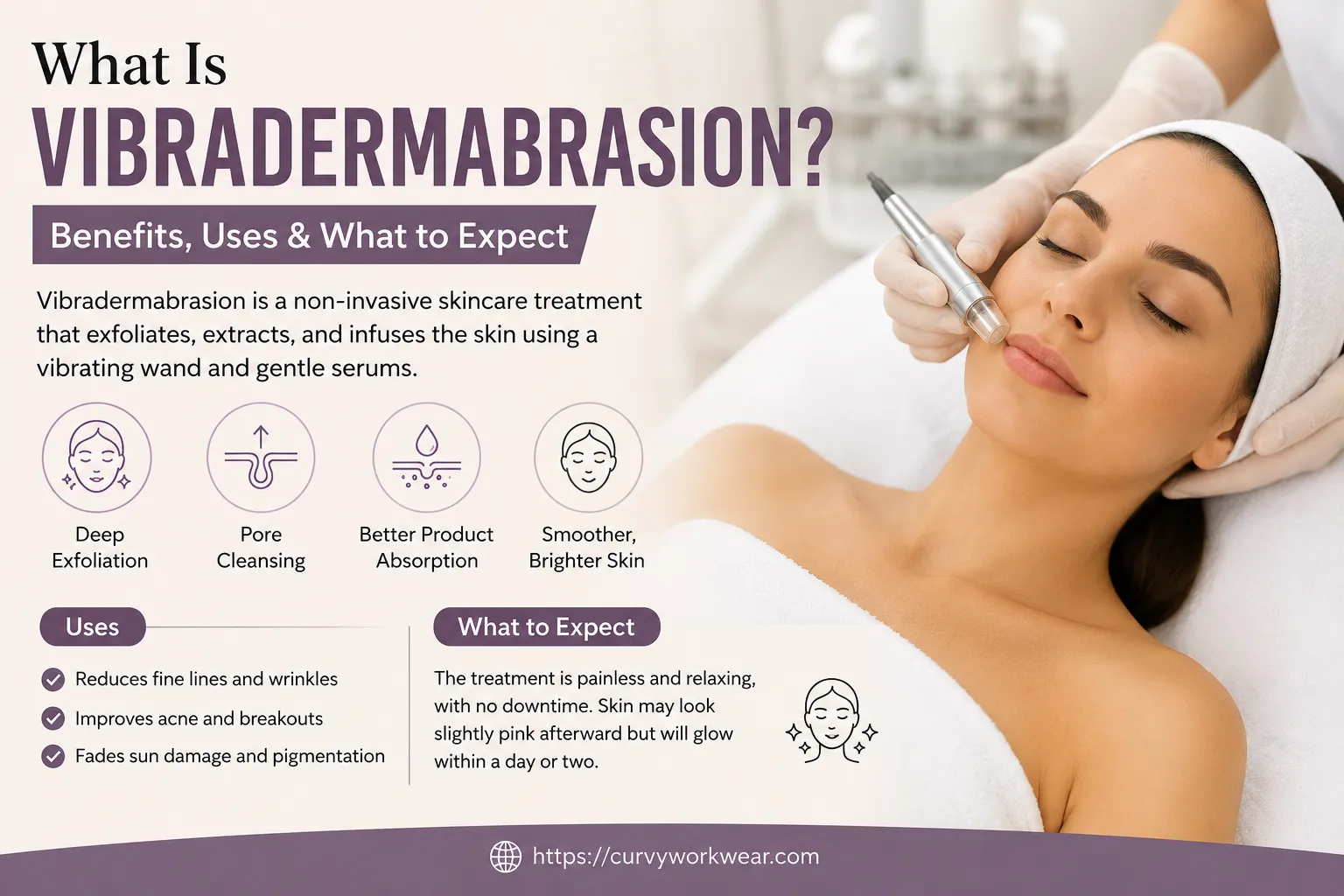
Vibradermabrasion is a mechanical exfoliation treatment. It uses a handheld device with a textured paddle that vibrates at high speed. That motion lifts away the outermost layer of dead skin cells.
Think of it like a very fast, very gentle version of sanding a rough wooden surface smooth. Except here, the “surface” is your skin, and the goal is softness, not sharp edges.
How Vibradermabrasion Works
During treatment, the paddle glides over your skin in smooth, repeated passes. The vibration loosens dead cells and surface debris without cutting or puncturing the skin. Some providers pair it with a serum or gentle suction step to lift away the loosened cells.
Because nothing pierces the skin, there’s no bleeding and generally very little irritation. Most people describe the sensation as similar to a light facial massage.
Vibradermabrasion vs. Microdermabrasion
Traditional microdermabrasion sprays tiny crystals onto the skin, then vacuums them back up along with the dead skin cells. This method works well, but the suction and crystals can sometimes irritate sensitive skin or, in rare cases, cause tiny broken capillaries.
Vibradermabrasion skips the crystals entirely. It relies on vibration instead of abrasive particles, which tends to feel gentler on the skin. For a broader look at how mechanical exfoliation compares to other resurfacing options, the Cleveland Clinic’s microdermabrasion guide is a solid, medically reviewed reference point.
Vibradermabrasion Benefits
The main draw of this treatment is exfoliation without the downtime or discomfort of more intense procedures. Here’s what it can realistically help with.
Smoother Texture and Brighter Skin
Removing built-up dead skin cells often leaves the surface feeling smoother almost right away. Many people notice their skin looks brighter within a day or two of a session.
Reduced Appearance of Fine Lines
Regular sessions may soften the look of fine lines over time. This happens partly because exfoliation encourages new cell turnover, and partly because smoother skin simply reflects light more evenly.
Support for Mild Acne Scarring and Uneven Tone
Vibradermabrasion can help fade the look of mild acne scars and patches of uneven pigmentation. It won’t erase deep scars or major discoloration, so it’s best thought of as a texture-refining tool rather than a cure.
Gentle Enough for Most Skin Types
Because there’s no crystal spray or needle involved, vibradermabrasion treatment is generally considered suitable for a wide range of skin types, including skin that reacts poorly to harsher exfoliation methods. That said, anyone with active breakouts, rosacea, or a skin condition like eczema should check with a dermatology provider first.
Who Is a Good Candidate for Vibradermabrasion?
Most adults with dull, rough, or unevenly toned skin can consider this treatment. It’s often recommended for people who want gradual improvement rather than a dramatic, one-session transformation.
It may not be the right fit for people with active cystic acne, open wounds, or a flare-up of a chronic skin condition. If you’re pregnant, have a skin infection, or aren’t sure whether you’re a candidate, a quick consultation with a licensed provider clears that up fast.
What to Expect During a Vibradermabrasion Treatment
Knowing what happens step by step makes the whole process feel far less intimidating.
Before the Session
Your provider will usually ask about your skin type, current products, and any conditions like rosacea or recent sunburn. They may ask you to skip retinoids or strong actives for a day or two beforehand.
During the Session
You’ll lie back while the provider moves the vibrating paddle across your skin in smooth strokes. Sessions typically take between 20 and 45 minutes, depending on the area treated. Most people find it comfortable, sometimes even relaxing.
After the Session
There’s usually little to no downtime. Your skin might look slightly pink for a short while, similar to how it looks after a workout. You can typically return to normal activities right after, though sunscreen becomes non-negotiable since fresh skin is more sun-sensitive. If you’re rebuilding your routine around gentler products, a vegan skincare approach can pair well with freshly exfoliated skin.
Advantages and Disadvantages of Vibradermabrasion
Like any skin treatment, this one comes with real strengths and a few limits worth knowing before you book.
Advantages
- Minimal downtime. Most people go straight back to their day after a session.
- Gentler than crystal-based methods. No spraying, no vacuum suction pulling at the skin.
- Works on most skin types. A useful option for people who’ve reacted badly to harsher exfoliation.
- Pairs well with other treatments. Providers often combine it with a facial or use it after a chemical peel for extra exfoliation.
Disadvantages
- Results build slowly. A single session rarely produces dramatic change; a series of treatments works better.
- Not effective on deep scars. Deeper acne scarring or stretch marks generally need a stronger treatment like microneedling.
- Ongoing cost. Since results fade without upkeep, many people book regular sessions, which adds up over time.
- Not universal. People with active infections, open acne, or certain skin conditions should skip it until cleared by a provider.
For comparison, the Cleveland Clinic’s overview of microneedling explains why deeper skin concerns sometimes call for a different approach entirely.
How Often Should You Get Vibradermabrasion?
There’s no single answer that fits everyone, since skin type, goals, and budget all play a role. Many providers suggest starting with a series of sessions spaced a few weeks apart, then shifting to a maintenance schedule every four to six weeks.
If your main goal is a healthy skincare routine between professional visits, pairing treatments with gentle daily habits helps results last longer. A solid skincare routine at home does a lot of the maintenance work in between appointments.
FAQ: Vibradermabrasion
Is vibradermabrasion painful?
No, most people describe it as comfortable, sometimes even relaxing. There’s no cutting or piercing involved, so pain is rare, though skin can feel briefly warm or tingly afterward.
How is vibradermabrasion different from dermabrasion?
Dermabrasion is a more intense, surgical-style procedure that removes deeper layers of skin and requires real recovery time. Vibradermabrasion is far gentler, works only on the outermost layer, and needs no downtime; the Cleveland Clinic’s dermabrasion guide breaks down that more intensive option in detail.
How many vibradermabrasion treatments will I need?
It depends on your skin goals, but many people start with a series of four to six sessions spaced a few weeks apart. After that, a monthly or bimonthly maintenance visit often keeps results steady.
Can I wear makeup after a vibradermabrasion treatment?
Most providers recommend waiting a few hours to let your skin settle, though this varies by provider and skin sensitivity. Always ask your specific provider for their aftercare guidance.
Is vibradermabrasion safe for sensitive skin?
It’s often considered one of the gentler exfoliation options available, which is why many people with sensitive skin try it. Even so, a patch test or consultation is a smart first step if your skin reacts easily to new treatments.
Conclusion
Vibradermabrasion offers a gentle way to refresh dull, rough, or unevenly toned skin without the downtime that comes with more aggressive treatments. The real vibradermabrasion benefits show up gradually, through smoother texture, a brighter look, and softer fine lines over a series of sessions.
If your skin could use a reset, a consultation with a licensed esthetician or dermatology provider is the best next step. They can confirm whether vibradermabrasion treatment fits your skin type and goals before you commit to a full series.
Disclaimer: This article is for general educational purposes and isn’t a substitute for professional medical or dermatological advice. Always consult a licensed dermatologist or skincare provider before starting any new skin treatment, especially if you have an existing skin condition, are pregnant, or take medication that affects your skin.