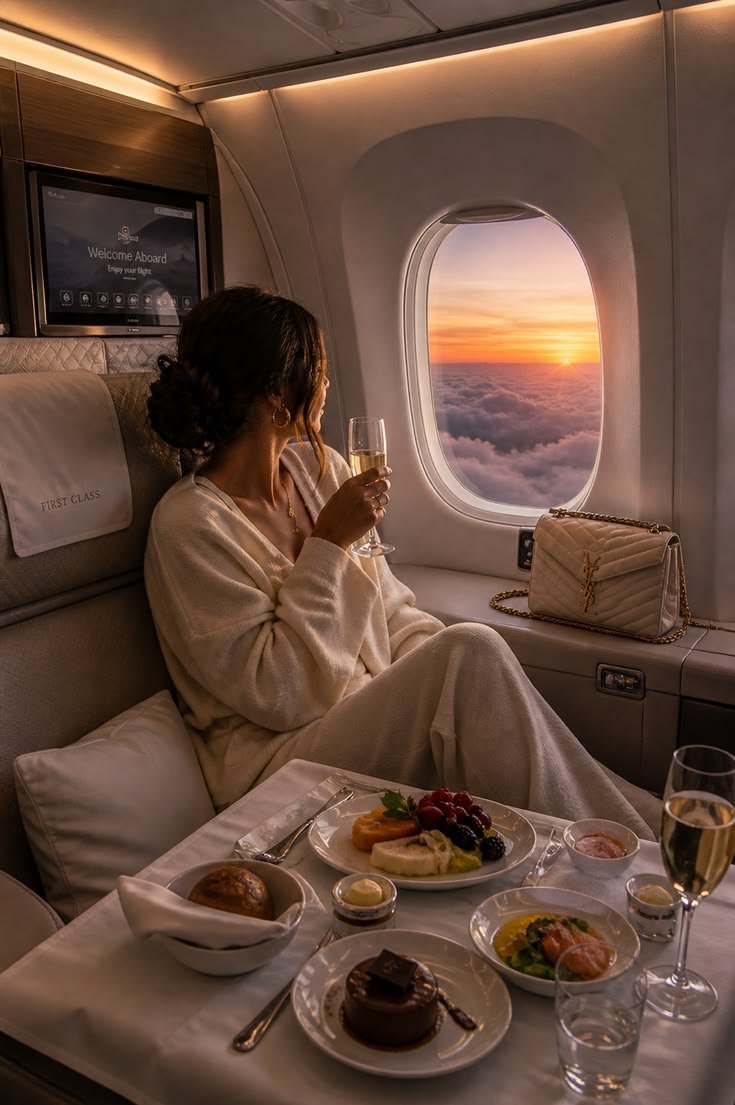

There’s a particular kind of exhaustion that doesn’t come from working too hard, but from moving too fast — rushing through mornings, multitasking through meals, scrolling through evenings without really landing anywhere. Slow living has emerged as a response to this constant motion, offering not a rejection of ambition or productivity, but a deliberate shift in how we relate to time itself.
What Slow Living Actually Means
Slow living is often misunderstood as simply “doing less” or retreating from modern life entirely. In reality, it’s less about the pace of your schedule and more about the quality of your attention. It’s entirely possible to have a busy, full life and still practice slow living — the difference lies in whether you’re present for what you’re doing or constantly half-focused on the next thing.
The philosophy traces its roots to the Slow Food movement that began in Italy in the 1980s as a pushback against fast food culture. Over time, that same principle — savoring rather than rushing — expanded into how people approach work, relationships, hobbies, and daily routines.
Why This Resonates So Strongly Right Now
Modern life is engineered for speed. Notifications demand instant responses, algorithms reward quick consumption over deep engagement, and productivity culture often measures worth by output rather than presence. The result, for many people, is a persistent low-grade anxiety — the sense that no matter how much gets done, it’s never quite enough.
Slow living pushes back against this by asking a different question entirely: not “how much can I fit into today?” but “how fully can I experience what I’m already doing?” This reframing tends to reduce the mental clutter that comes from constantly juggling multiple half-finished tasks and unprocessed thoughts.
Practical Ways to Slow Down
Single-Tasking Over Multitasking Multitasking has been shown repeatedly to reduce both efficiency and enjoyment. Choosing to do one thing at a time — eating without scrolling, having a conversation without checking your phone — restores a sense of depth to ordinary moments that often gets lost in the shuffle.
Building in Unstructured Time Calendars packed wall-to-wall leave no room for spontaneity, rest, or the kind of idle thinking that often sparks creativity. Deliberately protecting blocks of unstructured time, even just twenty or thirty minutes a day, creates breathing room that a fully scheduled life doesn’t allow.
Rituals Over Routines A routine is something you get through; a ritual is something you’re present for. Turning a routine task — morning coffee, an evening walk, tidying the kitchen — into a small ritual by giving it your full attention transforms it from a chore into a grounding moment in the day.
Digital Boundaries Slow living doesn’t require abandoning technology, but it does often involve setting clearer boundaries around it — designated phone-free hours, turning off non-essential notifications, or choosing specific times to check email rather than responding reactively all day.
Seasonal Awareness Many slow-living practitioners find grounding in paying attention to natural rhythms — eating produce that’s actually in season, adjusting routines as daylight hours shift, or simply noticing the weather rather than existing entirely indoors, disconnected from the time of year.
The Misconception About Productivity
One of the biggest hesitations people have about slow living is the fear that it will make them less productive or less successful. In practice, the opposite often proves true. Constant busyness frequently produces more activity but not necessarily more meaningful output — energy gets spent on switching between tasks rather than completing them well.
Slowing down, paradoxically, often improves focus. When attention isn’t constantly fragmented, the work that does get done tends to be higher quality, and decisions tend to be clearer because they’re not made under a haze of mental fatigue.
Starting Small
Adopting slow living doesn’t require an overhaul of your entire life. It can start with something as simple as eating one meal a day without a screen, or taking a walk without headphones, just noticing the surroundings. Over time, these small pockets of presence tend to expand naturally, reshaping not just individual habits but the overall texture of daily life.
In a culture that often equates speed with success, choosing to slow down can feel almost radical. But for many people, it’s less about giving something up and more about finally being present for the life they’re already living.