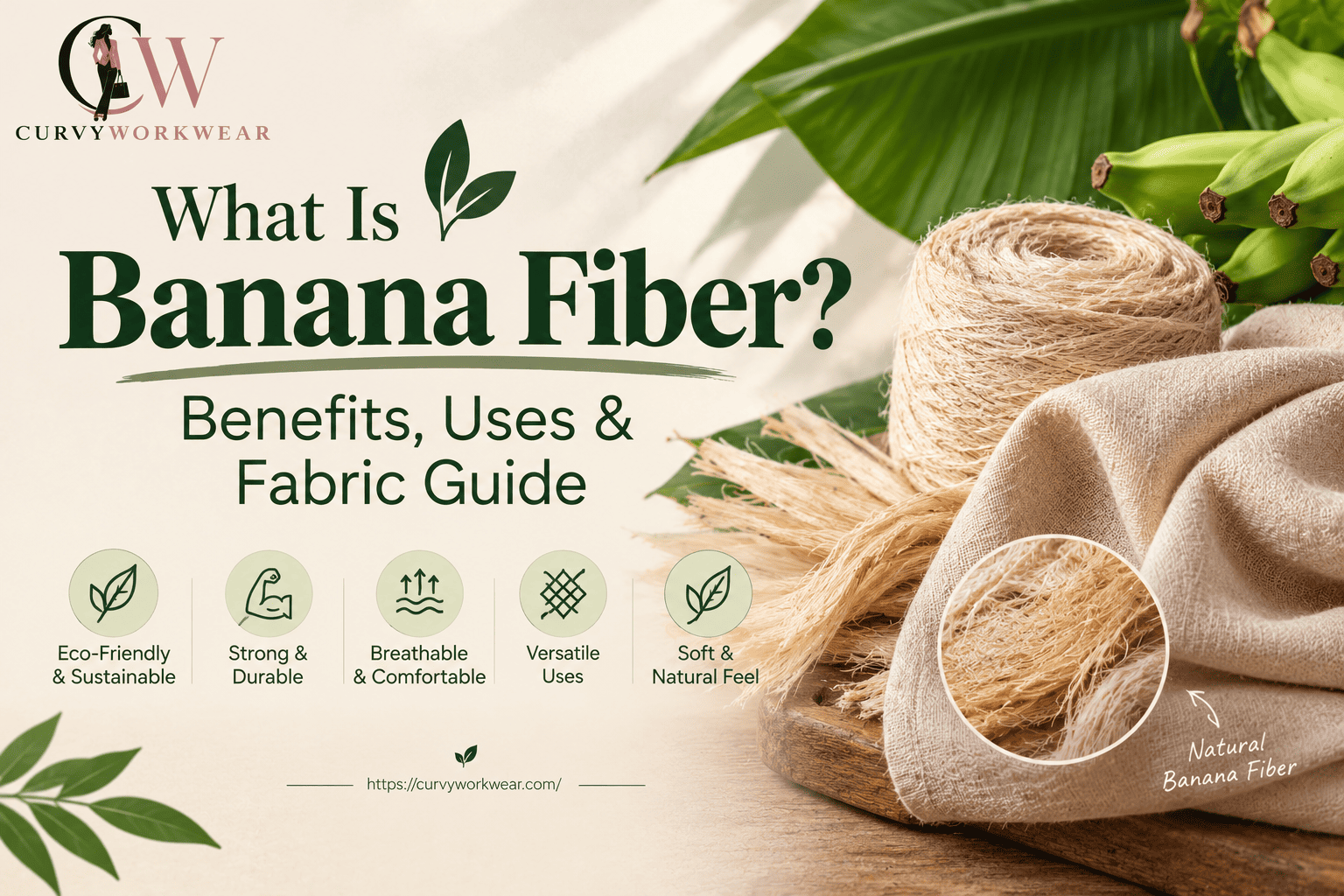
Banana plants are known for their fruit, but they also provide a useful natural fiber. Banana fiber is a plant-based material made from the banana plant, mainly its stem. It has gained attention for its strength, versatility, and potential role in sustainable textiles. You can find it in clothing, accessories, and home products.
However, not every banana fiber product feels or performs the same. In this guide, we explain what banana fiber is, how it is made, its benefits and disadvantages, common uses, and whether it suits clothing, including workwear.
What Is Banana Fiber?
Banana fiber is a natural fiber extracted mainly from the leaf sheaths and the pseudostem of the banana plant. The pseudostem is the thick, trunk-like part that supports the leaves. Workers separate its fibers and process them for different uses, such as textiles, ropes, paper, mats, and handicrafts.
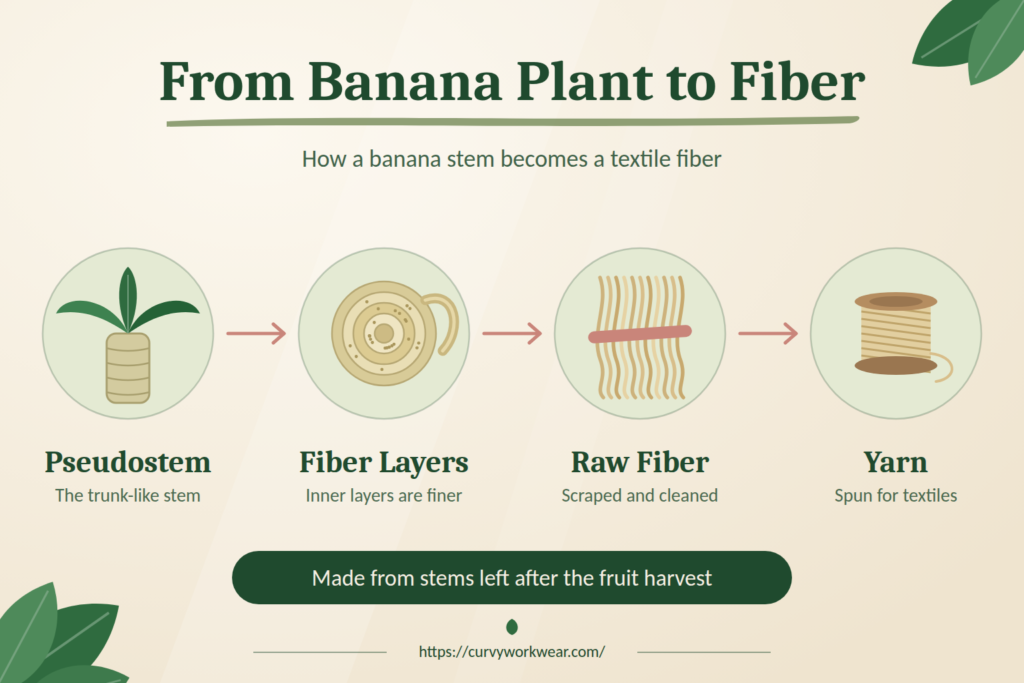
Banana fiber is also made by many countries. India, the Philippines, and Nepal are among the places where banana fiber is produced for textiles and crafts, and Japan has a long tradition of banana-fiber cloth in Okinawa. Banana plants grow across the tropics, so the fiber can come from the stems left after the fruit harvest.
Banana Fiber vs. Abaca (Manila Hemp)
These two are often confused. Abaca, also called Manila hemp, comes from a different banana relative, Musa textilis, which farmers grow mainly for its fiber. It is a stronger, coarser fiber used for ropes, specialty papers, and similar products. Regular banana fiber comes from the stems of fruit-bearing banana plants after harvest. Both belong to the banana family, but they are different plants and different materials.
How Is Banana Fiber Made?
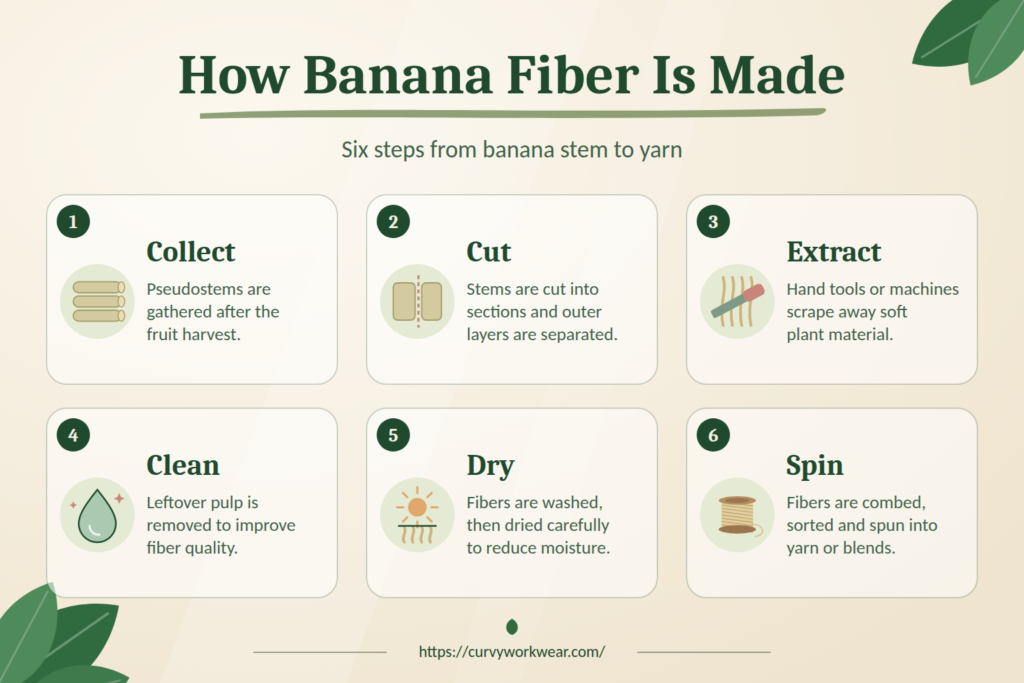
The exact process depends on the equipment and the intended use. Some producers work by hand, while others use machines.
Step-by-Step Banana Fiber Production Process
- Collect the stems. Workers collect the pseudostems after the fruit is harvested.
- Cut and separate the layers. They cut the stems into sections and separate the outer layers that contain fiber bundles.
- Extract the fibers. Hand tools or machines scrape away the soft plant material and free the strands.
- Clean the fibers. Workers remove leftover pulp. Some fibers get extra treatment to improve quality.
- Wash and dry. Fibers are washed when the method requires it, then dried carefully to reduce moisture.
- Prepare for use. Workers comb and sort the fibers by quality and length. Textile makers can then spin suitable fibers into yarn or blend them with other materials.
What Are the Main Properties of Banana Fiber?
Banana fiber properties vary with the plant variety, the part of the stem used, and the extraction method. Keep this in mind for everything below: two banana fiber fabrics can feel and perform very differently.
Chemical Makeup
Banana fiber is mostly cellulose, which gives it strength. Studies report different values depending on the variety and the layer of the stem. One study of untreated Nendran banana pseudostem fiber found about 61% cellulose and about 16% lignin. A Brazilian study found about 61% cellulose in the outer fiber and about 73% in the inner fiber, with much lower lignin in the inner part. Inner fibers are generally finer and softer, which is why producers often prefer them for textiles.
Key Properties at a Glance
| Property | Description |
|---|---|
| Material | A natural, cellulose-rich fiber from the banana plant. |
| Texture | Ranges from coarse to smooth, depending on the stem layer and processing. |
| Strength | Can be strong. Quality varies between fibers. |
| Breathability | Depends mainly on weave, thickness, and yarn structure. |
| Sustainability | Can use stems left after fruit harvest. |
What Are the Benefits of Banana Fiber?
Eco-Friendly Potential
Banana fiber comes from a renewable plant. Farmers grow banana plants for fruit, and the stems often remain as waste afterward. Using them can reduce agricultural waste and may lessen the need for some newly grown fiber crops.
However, banana fiber is not automatically environmentally friendly. Extraction, washing, chemical treatments, and transportation all affect its footprint. Responsible production makes the difference.
Strength and Durability
Banana fibers offer good tensile strength, which suits ropes, mats, handicrafts, and selected textiles. How long a finished product lasts also depends on fiber length, yarn quality, and fabric construction. Proper care helps it last longer.
Comfort and Breathability
Finer, well-processed banana fiber can feel soft enough for clothing. Lightweight, loosely woven fabrics usually allow better airflow than dense ones. Manufacturers sometimes blend banana fiber with other fibers to improve softness or drape.
Value from Banana Plant Waste
After harvest, farmers often leave stems to decay or discard them. Fiber extraction can turn this leftover material into ropes, mats, paper, handicrafts, and textiles. The real benefit depends on how producers manage processing and waste locally.
What Are the Disadvantages of Banana Fiber?
Processing and Production Costs
Extraction takes time, labor, and equipment. Hand extraction is slow, and machines need investment. Extra cleaning and softening add cost, so banana fiber products can be expensive in some markets.
Limited Availability
Banana plants grow widely in tropical regions, but banana fiber is far less available than cotton. Not every producer has the equipment to extract and process it, so shoppers may find fewer styles, colors, and blends.
Coarseness
Raw banana fiber can feel coarse or stiff, which may not suit sensitive skin. Softening treatments help but add cost. Some banana fiber fabrics work better for accessories than for everyday clothing.
Care Requirements
Care needs vary between raw fibers, blends, and finished garments. Some items need gentle washing or careful drying, and high heat can damage certain fabrics. Always follow the care label.
What Is Banana Fiber Used For?
Clothing and Fashion
Manufacturers use banana fiber in selected garments, scarves, and other fashion items. They often blend it with cotton or other fibers to change the feel. Its suitability for clothing depends on softness, construction, and comfort.
Bags and Accessories
Banana fiber makes bags, purses, and decorative accessories. Its natural look suits simple, earthy styles, and artisans weave it into many patterns.
Home Textiles
Its strength makes banana fiber useful for mats, rugs, and decorative woven items.
Paper and Crafts
Banana fibers also go into handmade and specialty paper, woven decorations, and other crafts.
Common Uses at a Glance
| Application | Examples |
|---|---|
| Clothing | Blended fabrics, selected garments, scarves |
| Accessories | Bags, purses, decorative items |
| Home textiles | Rugs, mats, selected furnishings |
| Paper products | Handmade paper, specialty paper |
| Crafts | Woven decorations, handmade items, ornaments |
Banana Fiber vs. Cotton vs. Jute
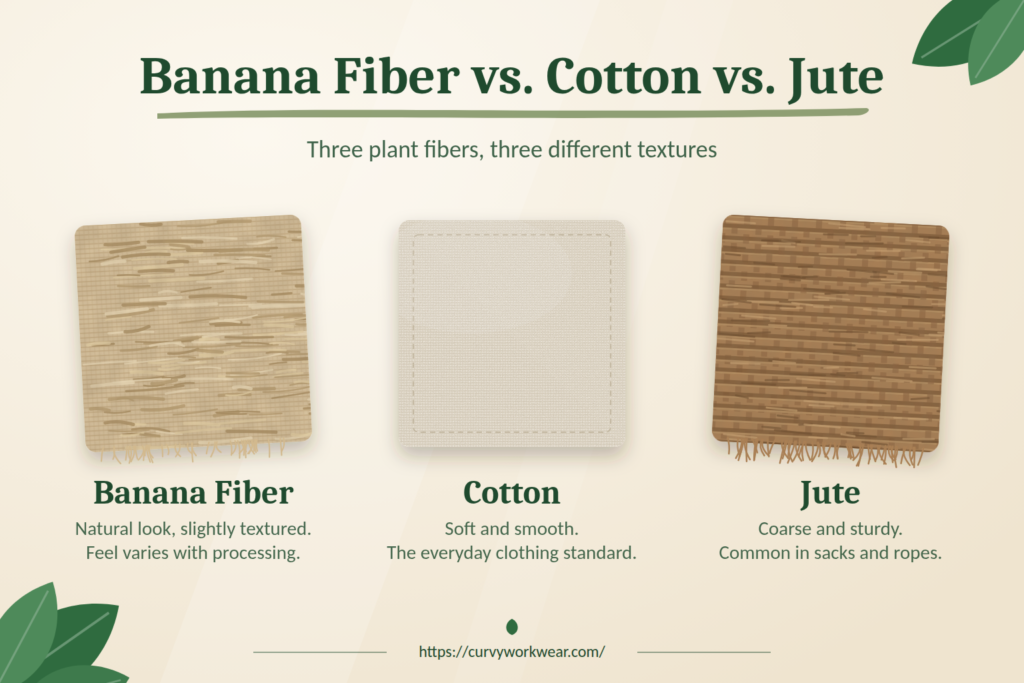
These three fibers come from different plants. Cotton is the everyday clothing standard because it is often soft. Jute is common in sacks, ropes, and home products. Banana fiber suits specialty textiles, accessories, and crafts.
| Feature | Banana Fiber | Cotton | Jute |
|---|---|---|---|
| Source | Banana plant | Cotton plant | Jute plant |
| Common uses | Specialty fabrics, accessories, crafts | Clothing, home textiles | Sacks, ropes, furnishings |
| Texture | Varies with processing | Often soft | Usually coarse |
| Sustainability | Depends on sourcing and processing | Depends on farming and production | Depends on farming and processing |
| Clothing suitability | Depends on fabric construction | Widely used | More common in coarse textiles |
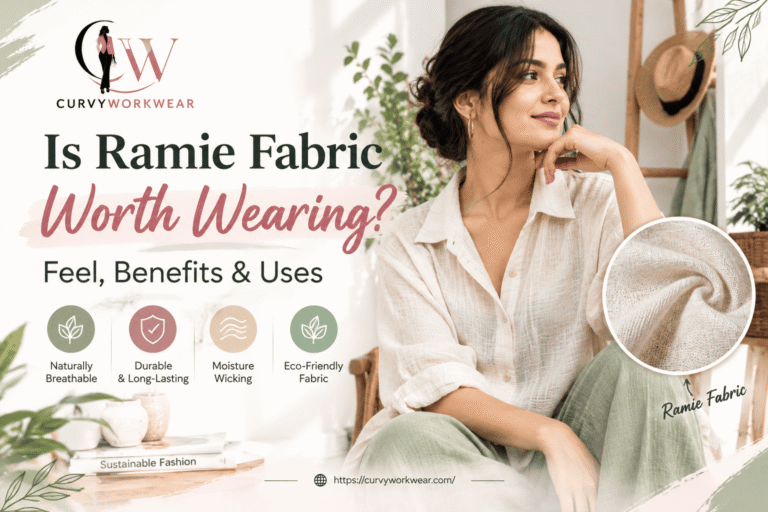
No single fiber is best for every purpose. Other plant-based fibers are worth comparing too, such as ramie fabric, which has its own feel, benefits, and uses. Compare comfort, durability, price, and production methods before choosing.
Is Banana Fiber Sustainable?
Banana fiber comes from a renewable plant, and it can turn stems left after harvest into useful material. That can reduce waste when producers manage the remaining plant material well.
But it is not automatically sustainable. Water use, chemical treatments, energy, and transport all affect its impact. Researchers describe reusing banana plant residue as an appealing way to make textiles more sustainable, while the real result depends on how the fiber is produced. Look for transparent, responsible producers.
How to Care for Banana Fiber Fabric
Care depends on processing, fabric construction, and any blended materials. Always check the care label first.
Washing and Drying Tips
- Follow the label. Some items need gentle handwashing, while others allow machine washing.
- Use a mild detergent and avoid harsh chemicals.
- Do not assume hot water is safe. Use the recommended temperature.
- Reshape the garment if needed and air-dry it away from excessive heat.
Storage and Ironing Advice
- Make sure the fabric is completely dry before storing it.
- Store it in a dry, well-ventilated place to avoid mold and odors.
- Iron only if the label allows it, at the recommended temperature. Test a hidden area first, and use a pressing cloth for delicate fabrics.
Is Banana Fiber a Good Choice for Clothing?
It can be, when manufacturers process it well. Its natural origin and use of plant waste appeal to many shoppers. But comfort depends on the finished fabric, and some banana fiber materials feel coarse. Blends often feel better. If you want a drapey fabric for everyday work clothes, you can also compare it with viscose, a common choice for shirts and dresses.
Check the fiber content, care instructions, and texture before buying.
Is Banana Fiber Suitable for Workwear?
Workwear needs fabric that is comfortable for long hours, durable, and easy to move in. This is where banana fiber needs a careful look, especially for curvy and plus-size wearers.
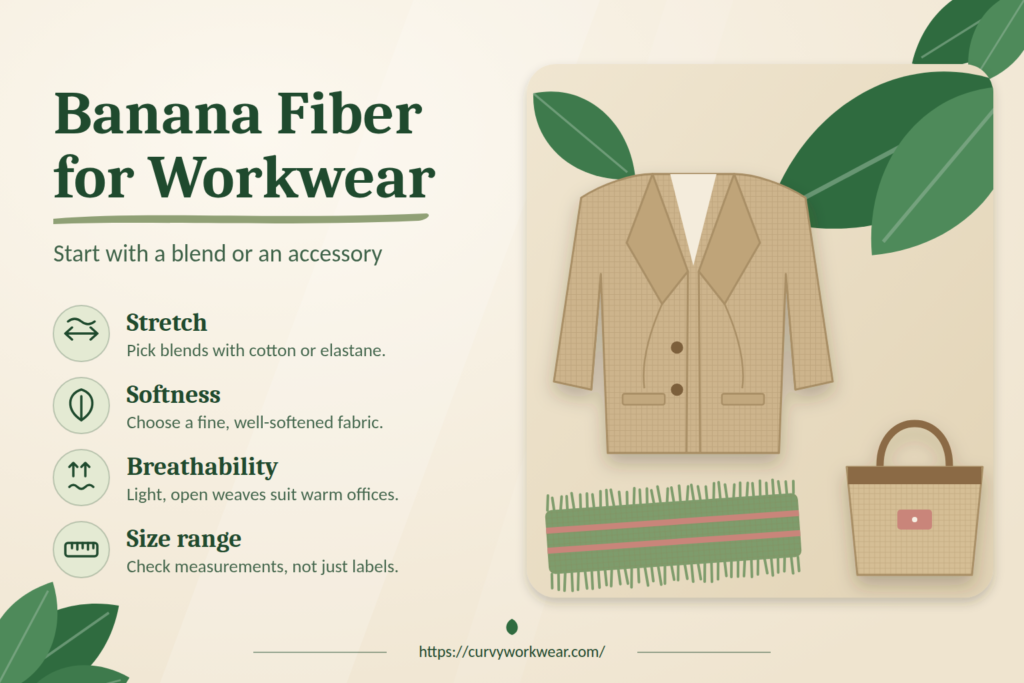
- Stretch and fit. Banana fiber has little natural stretch. Garments made only from it can feel stiff across the bust, hips, and thighs. Look for blends with cotton or a small amount of elastane for more give.
- Softness. A coarse fabric can irritate skin when worn for a full workday. Choose a fine, well-softened fabric, or wear it as an outer layer such as a blazer or vest. If softness matters most, a smooth fabric like Tencel may feel more comfortable for a full workday.
- Breathability. Light, open weaves are more comfortable in warm offices. Dense fabrics can feel heavy.
- Size range. Banana fiber clothing is still a niche market, so size ranges are often limited. Check the size chart and the garment measurements, not just the label size.
- Best fit for work. Scarves, structured bags, and accessories are often a safer starting point than fitted trousers or dresses. If you try a scarf at work, these scarf styling ideas show easy ways to wear one.
If you want banana fiber at work, start with a blend or an accessory, then move to garments once you know how the fabric feels on you.
Frequently Asked Questions About Banana Fiber
Is banana fiber the same as the fiber in bananas I eat? No. The fiber in the fruit is dietary fiber that supports digestion. Banana fiber used in textiles is a separate material that comes from the plant’s stem, not the fruit.
What is banana fiber used for? It is used for textiles, clothing, bags, home products, paper, and crafts.
What type of fiber is banana fiber? It is a natural, plant-based textile fiber. Manufacturers extract it mainly from the pseudostem. It is rich in cellulose, which gives it strength.
Is banana fiber the same as abaca? No. Abaca comes from Musa textilis, a different banana relative grown for its fiber. It is stronger and coarser than regular banana fiber.
Is banana fiber soft? It depends. Raw fiber can be coarse, while finer, well-processed fiber and blends can feel much softer.
Conclusion
Banana fiber is a natural material with real practical uses. It can turn banana plant leftovers into textiles, paper, and accessories, and its strength and potential environmental benefits make it worth exploring.
However, texture, cost, and availability vary, and the finished fabric decides comfort and durability. If you are considering banana fiber clothing, check the fabric composition, stretch, size range, and care instructions, and choose what suits your comfort, budget, and daily needs. For more fabric and fit advice, browse our style guides or explore more articles on Curvy Workwear.
Sources
- Banana fiber (Musa sp.): extraction process, processing and its applicability in textile products, University of São Paulo
- Utilization of regenerated cellulose fiber (banana fiber) in various textile applications and reinforced polymer composites, Journal of Textiles, Coloration and Polymer Science
Disclaimer: This article is for informational and educational purposes only. Information about banana fiber, its benefits, uses, and sustainability may vary depending on processing methods and product quality. Always check product details and care instructions before purchasing or using banana fiber products. We do not guarantee specific results or environmental benefits.