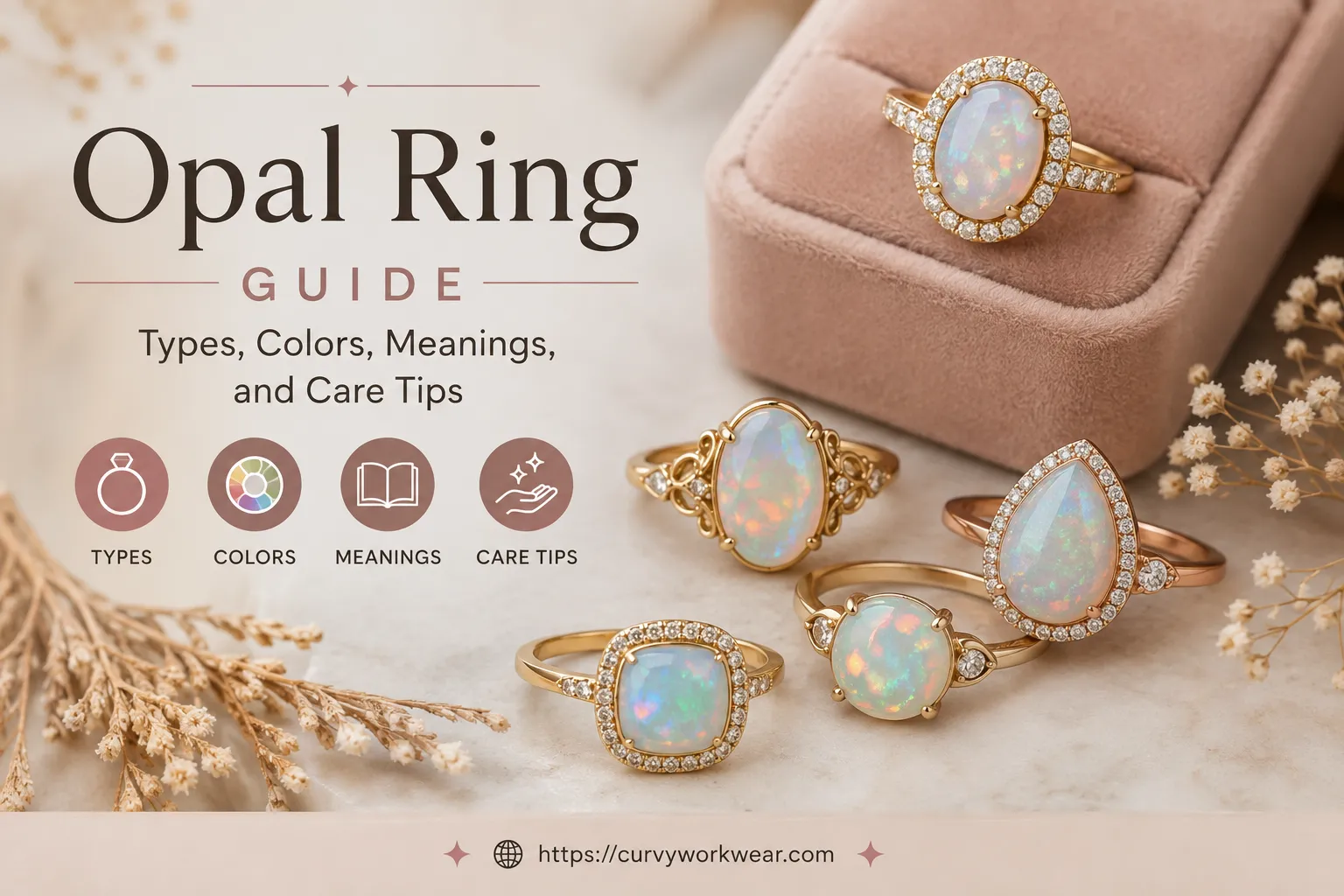
You spotted a ring with tiny flashes of blue, green, and orange dancing across the stone. Now you can’t stop thinking about it. That colorful stone is an opal, and it’s one of the most eye-catching gems you can wear.
But shopping for an opal ring can feel confusing. There are so many types, colors, and price ranges that it’s easy to get lost.
This guide breaks down everything you need to know before buying an opal ring. You’ll learn the main types, what different colors mean, the pros and cons of wearing one, and simple opal ring care tips to keep it looking good for years. By the end, you’ll know exactly what to look for, whether you’re buying one for yourself or as a gift.
What Is an Opal, and Why Do People Love It?
Opal is a gemstone made mostly of silica and water. Unlike diamonds or rubies, it has no crystal structure. Instead, tiny silica spheres pack together inside the stone. Light bends through them and creates flashes of color.
This effect is called “play-of-color.” It’s the reason opals look almost alive. Tilt the ring slightly, and the colors shift right before your eyes. According to the Gemological Institute of America (GIA), this play-of-color is the single most important factor buyers use to judge opal quality.
Opals have been prized for centuries. Ancient Romans believed opals held the power of every other gemstone. This was because opals showed so many colors at once. Today, people still love opal rings for a simple reason: no two stones look exactly alike. Each one feels personal.
Types of Opal Rings
Not all opals are the same. The type changes the look, durability, and price of the ring. Here are the main ones you’ll come across while shopping.
Black Opal
Black opal has a dark body tone, usually black or dark gray. This dark background makes the flashes of color stand out even more.
It’s mostly mined in Lightning Ridge, Australia. Jewelers generally consider it the rarest and most valuable type of opal.
White or Light Opal
White opal has a light, milky background. Its play-of-color is softer compared to black opal, but it’s still beautiful.
This type tends to be more affordable. That makes it a good starting point if you’re buying your first opal ring.
Boulder Opal
Boulder opal forms within ironstone rock. Instead of removing the ironstone completely, cutters often leave a thin layer attached to the back of the stone.
This gives boulder opals a natural, earthy look. Each piece has a unique shape since it follows the original rock formation.
Fire Opal
Fire opal works differently from the other types. It usually doesn’t show play-of-color at all. Instead, it has a warm, transparent orange, red, or yellow body color, almost like looking through stained glass.
Fire opals are mostly found in Mexico. That’s why people often call them “Mexican fire opals.”
Ethiopian Opal
Ethiopian opal is a newer player in the market. Miners first found large amounts of it in the early 2000s.
This variety absorbs water easily, which changes how it should be cared for. However, its lower price compared to Australian opal makes it popular for everyday opal rings.
Opal Ring Colors and What They Mean
Opals come in almost every color you can imagine. Each color carries its own meaning in gemstone folklore, though these meanings are based on tradition, not science.
- Blue and green opal: Often linked to calmness, clarity, and communication.
- Pink opal: Associated with love, emotional healing, and compassion.
- Orange and fire opal: Linked to confidence, passion, and creativity.
- White opal: Seen as a symbol of purity and new beginnings.
- Black opal: Associated with protection and inner strength.
These meanings can help you pick a ring for a special occasion, like a birthday or anniversary. However, most people simply choose the color that catches their eye.
Opal Ring Meaning: The Symbolism Behind the Stone
The opal ring meaning goes back thousands of years. In ancient times, people believed opals brought good luck. They also thought the stone protected the wearer from illness.
In Victorian England, opals were a favorite of Queen Victoria. She often gifted them at royal weddings. That connection helped opals become linked with love and loyalty.
Opal is also the birthstone for October. So, an opal ring makes a meaningful gift for anyone born in that month.
There’s an old myth that opals bring bad luck unless you were born in October. This idea likely came from a 19th-century novel, not from any real tradition. Most jewelers today treat it as nothing more than a fun story.
Advantages and Disadvantages of an Opal Ring
Before you buy, it helps to know what you’re signing up for. Opals have real strengths, but they also come with a few trade-offs worth understanding.
Advantages of an Opal Ring
- Truly one-of-a-kind: No two opals look exactly alike, so your ring won’t look like everyone else’s.
- Wide range of colors: From soft pastels to fiery orange, there’s a shade for almost any style.
- Meaningful symbolism: As the October birthstone, it makes a thoughtful, personal gift.
- More affordable than many gems: White and Ethiopian opals offer a lot of visual impact without a high price tag.
- Lightweight and comfortable: Opals feel gentle on the finger and are easy to wear all day.
Disadvantages of an Opal Ring
- Softer than many gemstones: Opals rank low on the hardness scale. They scratch and chip more easily than diamonds or sapphires.
- Sensitive to heat and dryness: Sudden temperature changes can cause tiny cracks, a problem called crazing.
- Needs gentler cleaning: Ultrasonic and steam cleaners work fine on harder stones, but they can damage an opal.
- Can dehydrate over time: Some opals lose a bit of their shine if they dry out, especially in low-humidity climates.
- Not ideal for rough daily wear: Manual labor, sports, or heavy hand use can shorten the lifespan of the stone.
Weighing these points before you buy helps you pick a ring that actually fits your lifestyle, not just your taste.
How to Choose the Right Opal Ring
Picking an opal ring isn’t just about color. A few practical details make a big difference in how the ring looks and lasts.
Consider the Opal Ring Setting
Because opals are softer than diamonds, the setting matters a lot. Bezel settings, where metal wraps around the edge of the stone, offer more protection than prong settings.
If you plan to wear your ring daily, a bezel setting is usually the safer choice.
Is Your Opal Ring Natural, Doublet, or Triplet?
A natural opal is cut from one solid piece of stone. Doublets consist of a thin slice of opal glued to a dark backing to boost the color. Triplets add a clear cap on top for extra protection.
Doublets and triplets cost less, but they’re not as durable as natural opals. Always ask the seller which type you’re buying before you commit.
Think About Your Daily Routine
If you work with your hands often, a more durable setting will hold up better. Those who mainly wear jewelry for special occasions have more flexibility with delicate designs.
For example, an office worker who types all day can usually wear a bezel-set opal without much worry. Someone who does gardening or manual work might want to save the ring for evenings out instead.
If you’re weighing an opal against a harder stone, it helps to understand how gem durability is judged in general. This guide to diamond clarity breaks down what to look for if you’re comparing options.
Opal Ring Care Tips
Opals need a bit more care than harder stones like sapphires or diamonds. Following these opal ring care tips will help your ring stay beautiful for years. The GIA’s opal care guidelines back up most of the everyday habits below.
Avoid Extreme Temperature Changes
Opals contain water, so sudden temperature swings can cause tiny cracks called crazing. Don’t leave your ring in a hot car or expose it to sudden cold water after a hot shower.
Keep It Away from Chemicals
Household cleaners, perfume, and even some lotions can dull an opal’s shine. Put your ring on after you finish getting ready, not before.
Clean Your Opal Ring Gently
Use a soft cloth and lukewarm water to clean your opal ring. Avoid ultrasonic cleaners and steam cleaners, since the vibration and heat can damage the stone.
Store Your Opal Ring Separately
Opals scratch easily if they rub against harder jewelry. Store your ring in a soft pouch or a lined jewelry box, away from other pieces.
Take It Off Before Physical Activity
Remove your ring before swimming, cleaning, gardening, or exercising. These activities expose the stone to knocks, chemicals, or chlorine that can damage it over time.
Rehydrate If Needed
If your opal ring looks dull or slightly cloudy, it may be dehydrated. Soaking it in water for a few hours can sometimes help. This isn’t guaranteed to fix older or more damaged stones, so ask a jeweler if you’re unsure.
Opal Ring vs Other Gemstone Rings
People often compare opal rings to diamond or moonstone rings before deciding. Here’s a simple way to think about it.
Diamonds are harder and more durable, so they suit daily wear without much worry. Opals are softer and need gentler care. However, they offer something diamonds can’t: constantly shifting color.
Moonstone is closer to opal in softness and has a similar dreamy glow. It doesn’t have the same range of color, though. If you want a stone that feels one-of-a-kind, an opal ring is hard to beat.
Styling Your Opal Ring
An opal ring pairs well with both everyday and dressy outfits. A softer white or pastel opal fits casual, everyday looks best.
A bold black or fire opal can act as a statement piece for evening wear. If you’re already planning outfits around statement accessories, this guide on styling satin pieces has useful ideas on balancing a bold accessory with the rest of your look.
For more jewelry inspiration and pairing tips, browse the full jewelry accessories collection for ideas that go beyond just opal.
Frequently Asked Questions
Is an opal ring good for everyday wear?
Yes, but with some care. Choose a protective setting like a bezel, and avoid activities where the ring could get knocked or exposed to chemicals.
What does an opal ring symbolize?
The opal ring meaning is generally tied to hope, purity, and creativity. It’s also the birthstone for October, so it often represents a connection to that month.
How much does an opal ring cost?
Prices vary widely based on the opal type, size, and setting. Ethiopian and white opals tend to be more affordable, while black opals from Australia are usually the most expensive. Prices can also change over time, so check with a local jeweler for current rates.
Can opal rings get wet?
Opals can handle brief contact with water since they naturally contain water. However, you should avoid soaking them in chlorinated pools, hot tubs, or harsh soap for long periods.
How do I know if my opal ring is real?
Real opals show play-of-color from multiple angles and feel cool to the touch. If you’re unsure, ask a certified jeweler to inspect the stone, since doublets and triplets can look similar at first glance.
Conclusion
An opal ring is more than just a pretty accessory. It carries centuries of symbolism, comes in styles for every taste, and adds a splash of color you won’t find in most other gemstones.
Now you know the different types, what the colors mean, the trade-offs to expect, and how to follow simple opal ring care tips. You’re ready to shop with confidence. Take your time, ask questions about the setting and stone type, and choose the opal ring that feels right for you.
Disclaimer: This guide is for general educational purposes only. It is not a substitute for advice from a certified gemologist.