Ever flipped over a skincare bottle and wondered what’s really inside it? You’re not alone. In fact, more people are asking this question, and it’s leading many of them straight to vegan skincare.
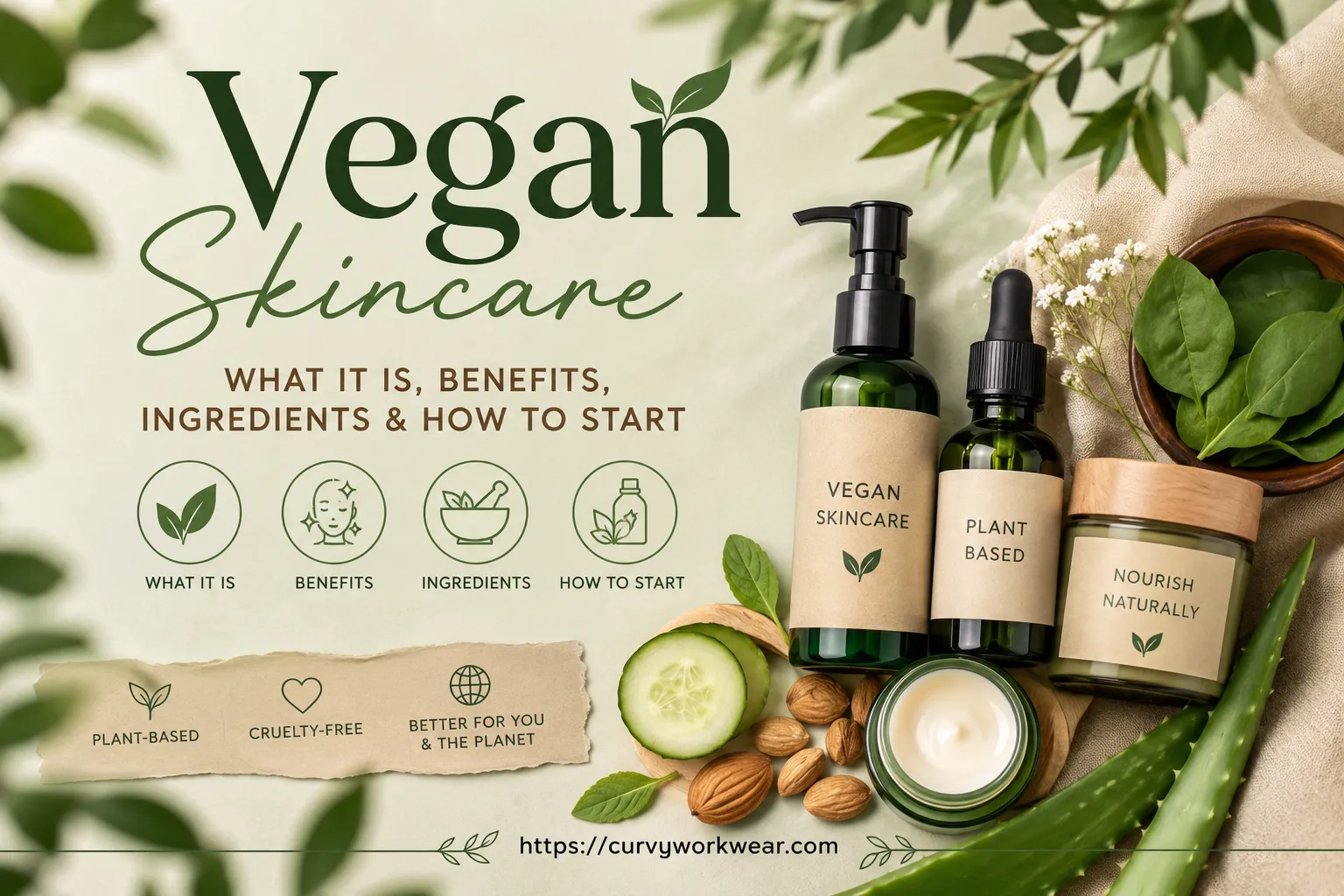
Vegan skincare simply means products made without any animal-derived ingredients or animal testing. There’s no beeswax, no collagen from animals, and no lanolin. Instead, brands rely on plant-based and lab-made ingredients that do the same job.
This shift isn’t just a trend. Rather, it’s a response to real concerns about ethics, sustainability, and what we put on our skin every day. So if you’re curious about switching, this guide covers everything you need to know, including the basics, the trade-offs, and your first shopping list.
What Is Vegan Skincare, Exactly?
Vegan skincare is any beauty product that contains zero animal-derived ingredients. In practice, that means no honey, no carmine (a red dye made from crushed beetles), no squalene from shark liver, and no animal-based collagen or keratin.
Instead, brands use plant oils, minerals, and synthetic alternatives that are built to mimic the same benefits. For example, plant-based squalane comes from olives or sugarcane instead of sharks. Notice the “a” instead of the “e” — it’s a small spelling difference with a big ingredient difference.
Vegan Skincare vs. Cruelty-Free: They’re Not the Same
This trips up a lot of shoppers. Essentially, cruelty-free means a product wasn’t tested on animals, while vegan means it contains no animal ingredients at all.
However, a product can be cruelty-free but not vegan. For instance, a face cream might skip animal testing but still contain honey or beeswax. So, always check both labels if this distinction matters to you.
Benefits of Vegan Skincare
The benefits of vegan skincare go beyond ethics alone, though that’s still a big part of the appeal for many buyers.
Gentler Formulas for Sensitive Skin
Plant-based formulas often skip harsh animal-derived fats that can clog pores. As a result, people with acne-prone or sensitive skin frequently find these products easier to tolerate.
Rich in Antioxidants
Vegan skincare leans heavily on fruit extracts and botanical ingredients. Green tea and vitamin C, for example, are naturally high in antioxidants. These help fight everyday skin damage from sun and pollution.
A Smaller Environmental Footprint
Animal agriculture carries a notable environmental cost. Therefore, choosing plant-based skincare is one small way to reduce demand tied to that industry, though it isn’t a complete fix on its own.
No Animal Testing
Most vegan brands also skip animal testing. Indeed, testing cosmetics on animals has been fully banned across the European Union since 2013, and the European Commission continues to push for its phase-out in wider chemical safety testing too. As a result, buying vegan often lines up with cruelty-free values too.
Supports Ethical, Values-Led Choices
For many shoppers, this is simply about aligning purchases with personal values. After all, if you don’t eat animal products, it can feel odd to still put them on your skin.
Advantages and Disadvantages of Vegan Skincare
No skincare approach is perfect for everyone. So here’s a balanced look at what vegan skincare does well, and where it can still fall short.
Advantages of Choosing Vegan Skincare
- Often gentler on acne-prone and reactive skin
- Packed with antioxidant-rich plant extracts
- Usually paired with cruelty-free practices
- Supports a lower environmental footprint
- Growing product range, so it’s easier to find than a few years ago
Disadvantages to Keep in Mind
- Can cost more, since not every vegan line is budget-friendly
- Some plant extracts and essential oils can still irritate sensitive skin
- A few effective, well-studied ingredients, like lanolin for very dry skin, have no perfect vegan match yet
- “Vegan” claims aren’t always verified, so labels need a closer look
- Shorter shelf life is common, since some products skip synthetic preservatives
Common Ingredients Found in Vegan Skincare
Understanding these ingredients helps you shop smarter and read labels with real confidence.
Plant Oils and Butters
Jojoba oil, shea butter, and argan oil are staples. Not only do they moisturize skin without any animal input, but they’ve also been used in skincare for generations.
Hyaluronic Acid (Vegan Version)
Hyaluronic acid used to come from rooster combs. Today, most brands instead use a fermented, plant-based version, and it works just as well for hydration.
Plant-Based Retinol Alternatives
Bakuchiol is a popular plant extract used as a gentler alternative to retinol. Specifically, it offers similar anti-aging effects without the irritation retinol sometimes causes.
Natural Exfoliants
Fruit enzymes, oats, and rice powder replace animal-derived exfoliants, and they slough off dead skin cells gently. If you’re curious how plant-based ingredients behave on skin over time, this henna-and-skin breakdown is a useful example of a plant dye reacting with different skin types.
Ingredients to Watch Out For
Some sneaky non-vegan ingredients include beeswax, lanolin, carmine, collagen, and squalene (with an “e”). So, checking the full ingredient list, not just the front label, is the safest habit to build.
How to Start a Vegan Skincare Routine
Switching doesn’t have to happen overnight. Instead, here’s a simple way to build a vegan skincare routine without overwhelming your bathroom shelf or your budget.
Step 1: Start With One Product
Don’t toss your entire routine at once. Instead, replace one item first, like your cleanser or moisturizer, and watch how your skin reacts before you swap anything else.
Step 2: Learn to Read Labels Properly
Look for a “vegan” or “100% plant-based” label. When in doubt, however, scan the ingredient list for the animal-derived terms mentioned earlier.
Step 3: Build a Basic Vegan Skincare Routine
Generally, a simple vegan skincare routine includes:
- A gentle cleanser
- A hydrating serum or moisturizer
- Sunscreen (check that it’s mineral or vegan-formulated)
- A weekly exfoliant
Additionally, if jawline or skin firmness is also a concern as you rebuild your routine, this guide on jowls and skincare tips covers causes and gentle treatment options worth knowing.
Step 4: Patch Test New Products
Even natural, plant-based ingredients can cause reactions. So, apply a small amount on your inner arm for a day or two before using it on your face.
Step 5: Check for Real Certifications
Look for logos like Leaping Bunny or the Vegan Society’s Vegan Trademark. These third-party certifications add a layer of trust that a brand’s own claim simply can’t offer on its own. You can also browse more vegan-friendly skincare picks and routines for extra ideas as you shop.
Is Vegan Skincare Right for Everyone?
Not necessarily, and that’s okay. For instance, some people have skin conditions that respond better to specific animal-derived ingredients, like lanolin for very dry or eczema-prone skin.
Still, for most people, vegan alternatives work just as well. Ultimately, it often comes down to personal preference, skin type, and what matters most to you in a daily routine.
Frequently Asked Questions
Is vegan skincare better than regular skincare?
Not necessarily “better,” but it can be a strong option depending on your goals. Generally, it tends to be gentler and more environmentally conscious, though effectiveness still depends on the specific formula and your skin type.
Does vegan skincare cost more?
It can, but not always. In fact, many drugstore brands now offer affordable vegan lines, so price often comes down to the brand rather than the vegan label itself.
Can a vegan skincare routine help with acne?
Many people find plant-based formulas less likely to clog pores, which can help with acne. Still, results vary, so check for non-comedogenic labels too.
Is “natural” the same as “vegan”?
No, not quite. Natural means an ingredient comes from nature, but that includes animal sources like honey or beeswax, whereas vegan strictly excludes all animal-derived ingredients.
How do I know if a brand is truly vegan?
Check for a recognized vegan certification logo, or simply read the full ingredient list yourself. Some brands also state clearly on their website whether their entire product line is vegan.
Conclusion
Vegan skincare isn’t just a passing trend. Rather, it’s a practical, values-led way to care for your skin while avoiding animal-derived ingredients and animal testing.
From gentler formulas to a lighter environmental footprint, the benefits of vegan skincare are worth considering, whether you’re vegan in every part of your life or just curious about cleaner beauty choices. That said, it also has real trade-offs worth weighing, like price and a smaller range of proven actives, so go in with realistic expectations.
Start small, then build from there. Swap one product, read a few labels, and build your vegan skincare routine at your own pace. Your skin, and maybe the planet too, might thank you for it.
Disclaimer: This article is for general educational purposes only and does not replace professional medical or dermatological advice. Everyone’s skin responds differently to ingredients, whether plant-based or not. If you have a diagnosed skin condition, allergies, or persistent irritation, talk to a licensed dermatologist before changing your skincare routine.