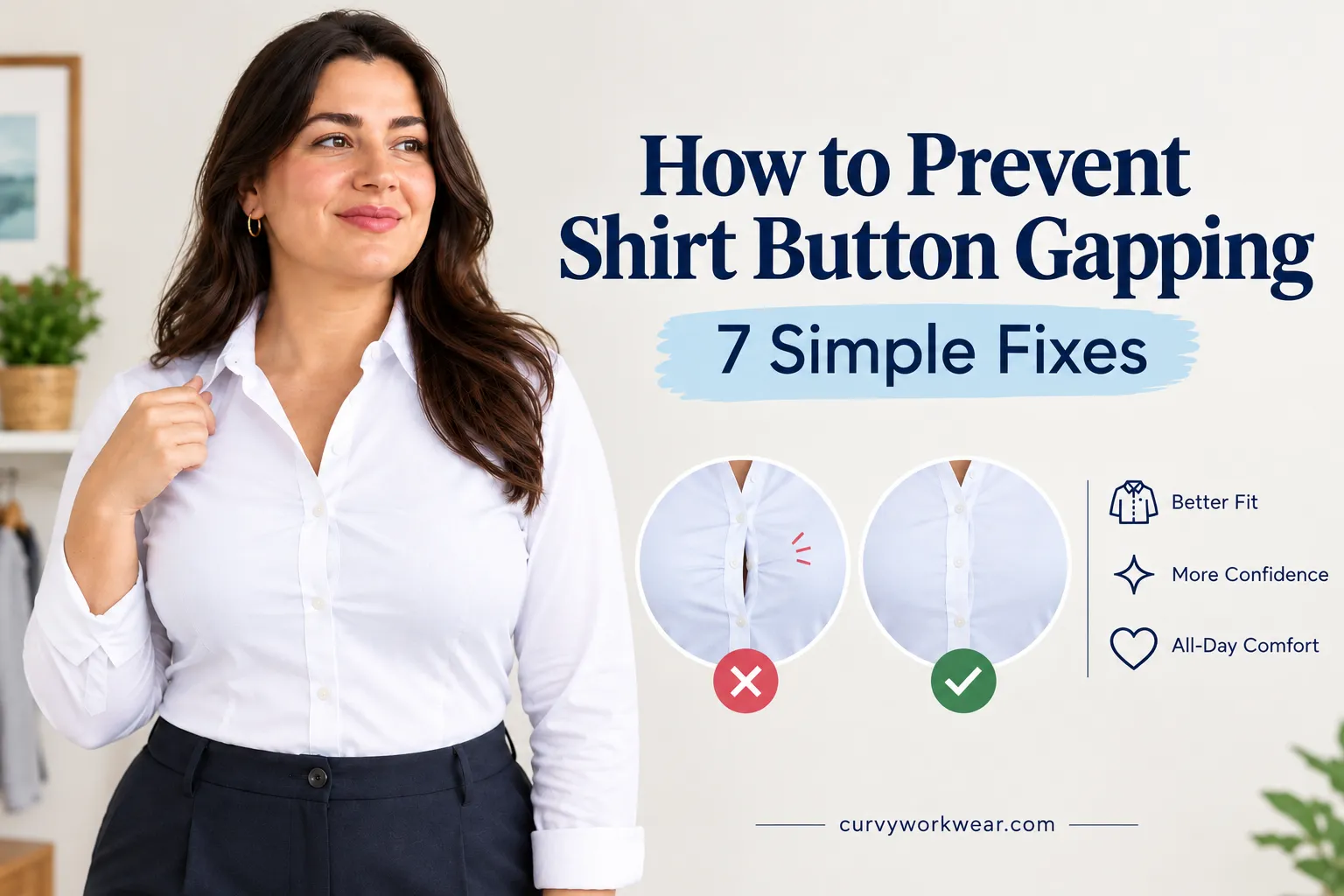
What Causes Shirt Buttons to Gap in the First Place
Button gapping happens for a few clear reasons. Once you know them, fixing the problem gets much easier.
It’s not just about being “too big” for your shirt. Even people with a slim build face this issue. The real cause is usually a mix of fit, fabric, and shirt quality.
Most people blame their body first. But often, the shirt itself is the real problem. A wrong cut, weak fabric, or poor stitching can all lead to the same result.
Knowing the exact cause helps you choose the right solution. You won’t waste money on the wrong size or the wrong shirt type. Let’s break down each cause one by one.
Wrong Shirt Size vs Body Shape
Most gapping starts with a size problem. A shirt that is too tight around the chest can pull on the buttons. This creates that annoying gap between two buttons.
Your body shape matters too. Broad shoulders or a fuller chest need more room. A regular-fit shirt may look fine on a hanger.But it can still gap once you put it on and move around.
Brands also cut shirts differently. A medium from one brand might fit snug. The same size from another brand could feel loose. Always check the measurements instead of relying only on the size label.
Poor Button Placement in Cheap Shirts
Button spacing matters more than people realize. On well-made shirts, buttons sit closer together at the chest. This is the area with the most stress and movement.
Cheap shirts often space buttons evenly down the whole placket. This ignores the fact that your chest needs extra support. One missing button at the stress point can cause a visible gap.
Weak buttonholes are another issue. Poor stitching means the fabric around the hole stretches out fast. Over time, this makes the buttons work loose even more.
How to Tell If Your Shirt Fits Properly
You don’t need a tailor to check your shirt fit. A few simple checks at home can tell you a lot.
Most people never actually check their fit. They just buy their usual size and assume it’s right. But sizes change across brands, and your body changes too.
A shirt can look fine in the mirror while standing still. The real test comes when you move, sit, or reach. That’s when a bad fit shows itself.
Checking your fit takes less than five minutes. You just need a mirror and a few minutes to test it properly. Here’s how to do it right.
The Two-Finger Test
This test is quick and easy. Button up your shirt all the way. Then try to slide two fingers between the buttons at your chest.
If two fingers fit with a little room, your shirt fits well. If you can barely fit one finger, the shirt is too tight. If you can fit more than two fingers, the shirt may be too loose.
Do this test while standing normally. Don’t suck in your stomach or pull your shoulders back. You want your natural posture for an honest result.
Check the chest area first. This is where gapping shows up the most. Then check near the stomach and lower buttons too.
Signs You Need a Different Size or Cut
The two-finger test isn’t the only clue. Your shirt gives off other warning signs too.
Watch for these signs:
- Buttons pull open when you sit down
- Fabric looks stretched or strained near the chest
- You see small gaps even when standing still
- The collar feels tight when buttoned
- Sleeves dig into your arms or feel loose and baggy
- The shirt bunches up at your waist when tucked in
If you notice two or more of these signs, it’s time for a change. Try a different size first. If the same brand doesn’t work, switch to a different cut.
Athletic fit shirts work well for broader chests and narrower waists. Regular fit gives more room throughout. Slim fit works best for leaner builds.
Your best option is trying shirts on in person when you can. Sizes vary a lot between brands. What fits perfectly in one brand may not work in another.
7 Simple Fixes to Prevent Button Gapping
Now that you know the causes, let’s fix them. These seven methods actually work.
1. Choose the Right Fit (Slim vs Regular vs Athletic)
Start with the basics. The right fit solves most gapping problems on its own.
Slim fit works best for lean, narrow builds. It sits close to the body with less extra fabric. Regular fit gives more room across the chest and waist. It suits most body types without feeling tight.
Athletic fit is made for broader chests and narrower waists. It gives room where you need it most. Try all three types before deciding which one suits you.
2. Add an Extra Button Behind the Placket
This is a simple sewing fix. Add one hidden button on the inside of the placket, right at chest level.
Sew a small loop of thread on the opposite side to match it. This extra button holds the fabric closed from the inside. Nobody can see it, but it stops the gap.
Many tailors offer this service cheaply. You can also do it yourself with basic sewing skills.
3. Use Fashion Tape or Button Extenders
Fashion tape is a fast, no-sew option. It’s a double-sided tape made for clothing.
Stick a small strip on the inside of your shirt placket. Press the fabric together to seal the gap. It holds through a full day without showing.
Button extenders work differently. They attach to your existing button and buttonhole. This gives you extra room while keeping the shirt closed.
Both options are cheap and easy to find online or at stores.
4. Get Your Shirt Tailored at the Chest
Tailoring is a longer-term fix. A tailor can adjust the chest area to remove excess pulling. This works well if your shirt fits everywhere except the chest. The tailor takes in fabric slightly to reduce strain on the buttons.
This fix costs more than tape or extra buttons. But it gives a cleaner, more permanent result.
5. Switch to Stretch or Performance Fabric Shirts
Fabric choice makes a big difference. Stretch fabrics move with your body instead of pulling tight. Look for cotton blends with a small percentage of elastane or spandex. These shirts flex when you sit, bend, or reach.
Performance fabrics, often used in dress shirts now, offer the same benefit. They resist wrinkles too, which is a nice bonus.
6. Wear an Undershirt for Extra Support
An undershirt won’t stop gapping completely. But it adds a layer of coverage if gaps do appear.
Choose a fitted undershirt, not a loose one. A tight undershirt reduces visible skin if buttons pull apart slightly. This works well under thinner dress shirts. It also helps with sweat and keeps your dress shirt cleaner longer.
7. Try Magnetic or Snap Button Alternatives
Magnetic buttons are a newer solution. They look like regular buttons but use hidden magnets to stay closed.
These hold stronger than normal buttons under stress. They’re popular for shirts worn by people who move a lot during the day.
Snap-on alternatives work similarly. They replace the traditional button with a secure snap closure. Both options are available as replacement kits or in pre-made shirts.
Best Shirt Brands Known for Anti-Gap Designs
Some brands design shirts with gap prevention in mind. Here are real options worth checking out.
Not every brand puts real thought into this problem. Most shirts use the same basic button setup. But a few brands have actually built solutions into their designs.
These features usually show up in three ways. Better fabric with some stretch built in. Extra buttons placed at stress points. Or button types made to hold stronger than normal.
Knowing which brands offer this can save you time. You won’t need to test five different shirts just to find one that fits right. Below are options at different price points, so you can pick what suits your budget.
Budget-Friendly Options
Uniqlo makes stretch dress shirts at low prices. Their fabric blends include a bit of spandex for flexibility.
Old Navy offers stretch dress shirts built for daily wear. The stretch fabric gives a tailored fit that moves with you.
Duluth Trading Co. is known for its wrinkle-free shirts with hidden buttons made to stop gaping at the chest.
These options work well if you want anti-gap features without spending a lot.
Premium/Tailored Options
Lands’ End created a patented No Gape button technology. This hidden-button feature is designed to prevent gaping at the bust, giving full coverage for a professional look.
Jos. A. Bank sells dress shirts with break-resistant buttons. These buttons add durability, making them a solid choice for office and after-hours wear.
Brooks Brothers offers stretch dress shirts with a tailored, structured fit. They focus on both comfort and a polished appearance.
Kenneth Cole makes stretch dress shirts with flex fabric built in. Elastic threads run through the arms for a better range of motion, and the collar band stretches for extra flexibility.
These premium picks cost more. But they offer better fabric quality and smarter button design built to last.
Quick Fixes for Gapping on the Go (No Sewing Needed)
Sometimes you notice gapping right before a meeting or event. You don’t have time to sew or visit a tailor. These quick fixes solve the problem in minutes.
Safety pins work in a pinch too. Pin the fabric from the inside, behind the gap. Make sure the pin doesn’t show through the shirt. This works best on thicker fabrics that hide the pin well.
A blazer or cardigan can also hide gapping fast. Layer it over your shirt to cover the chest area. This works well for meetings or events where you can’t fix the shirt itself.
Clear elastic hair ties offer a hidden trick too. Loop one around the button, then hook it over the opposite buttonhole. This adds stretch and keeps the shirt closed without showing.
Keep a small sewing kit in your car or bag for emergencies. Even one quick stitch can hold a gap closed for hours. This works as a backup when other options aren’t available.
If you’re stuck without any of these tools, try this. Overlap the fabric slightly and tuck the extra material into your waistband. It’s not perfect, but it keeps you covered until you can fix it properly.
When to Consider Custom or Made-to-Measure Shirts
Sometimes off-the-rack shirts just won’t solve the problem. That’s when custom shirts start to make sense.
If you’ve tried several brands and sizes, and still gap, your body may need a different approach. Standard sizes assume an average build. Not everyone fits that mold.
Broad shoulders with a narrow waist can be hard to fit. So can a fuller chest with a slim frame. Off-the-rack shirts size for one measurement at a time. This can leave other areas too tight or too loose.
Made-to-measure shirts use your exact body measurements. A tailor takes numbers for your chest, shoulders, and waist. The shirt is then built around those exact numbers.
This fixes gapping at the source. The chest gets extra room where you need it. The waist stays fitted without excess fabric. Buttons sit properly, without pulling or stress.
This option makes sense if you buy dress shirts often. It also helps if you wear them for work every day. The upfront cost pays off over time with fewer fit problems.
If gapping keeps happening no matter what you try, custom shirts are worth it. They solve the root cause instead of covering it up.
Final Thoughts: Getting a Gap-Free Fit Every Time
Button gapping is a common problem, but it’s not hard to fix. Most fixes take just a few minutes. Start with the basics. Check your size using the two-finger test. Try a different fit if needed.
If the size is right but gaps still show, look at the fabric. Stretch fabric moves with you and gaps less. Quick fixes like fashion tape or a hidden button work for one-off days. For a lasting fix, try tailoring or custom shirts.
No single fix works for everyone. Try a few methods and see what suits you best.
FAQs
Why do my shirt buttons gap even though I bought the right size?
Size labels don’t tell the whole story. Brands cut shirts differently, even at the same size. Your body shape also matters more than the number on the tag. A broader chest or shoulders can cause gaps, even in your usual size. Fabric type plays a role too. Stiff cotton pulls tight and gaps more than stretch fabric.
Does losing weight stop button gapping?
It can help, but it’s not a guaranteed fix. Weight loss reduces overall bulk, which may ease pressure on buttons. But shoulder width and chest shape don’t change much with weight loss. If your shoulders are broad, gapping can still happen at a lower weight. Fit and fabric often matter more than weight alone.
Can tailoring fix button gap permanently?
Yes, tailoring offers one of the most lasting fixes. A tailor adjusts the chest area to reduce pulling and strain. This stops the gap at the exact spot it happens. Unlike tape or extenders, tailoring changes the shirt itself. It holds up wash after wash, without extra steps each time you dress.
Disclaimer:
This article is for general informational purposes only. Brand names, product features, and pricing mentioned here may change over time, so please check the official brand websites for the latest details. Results may vary depending on body shape, shirt fabric, and fit. For a permanent or professional fix, we recommend consulting a tailor or trying products in person before purchasing.