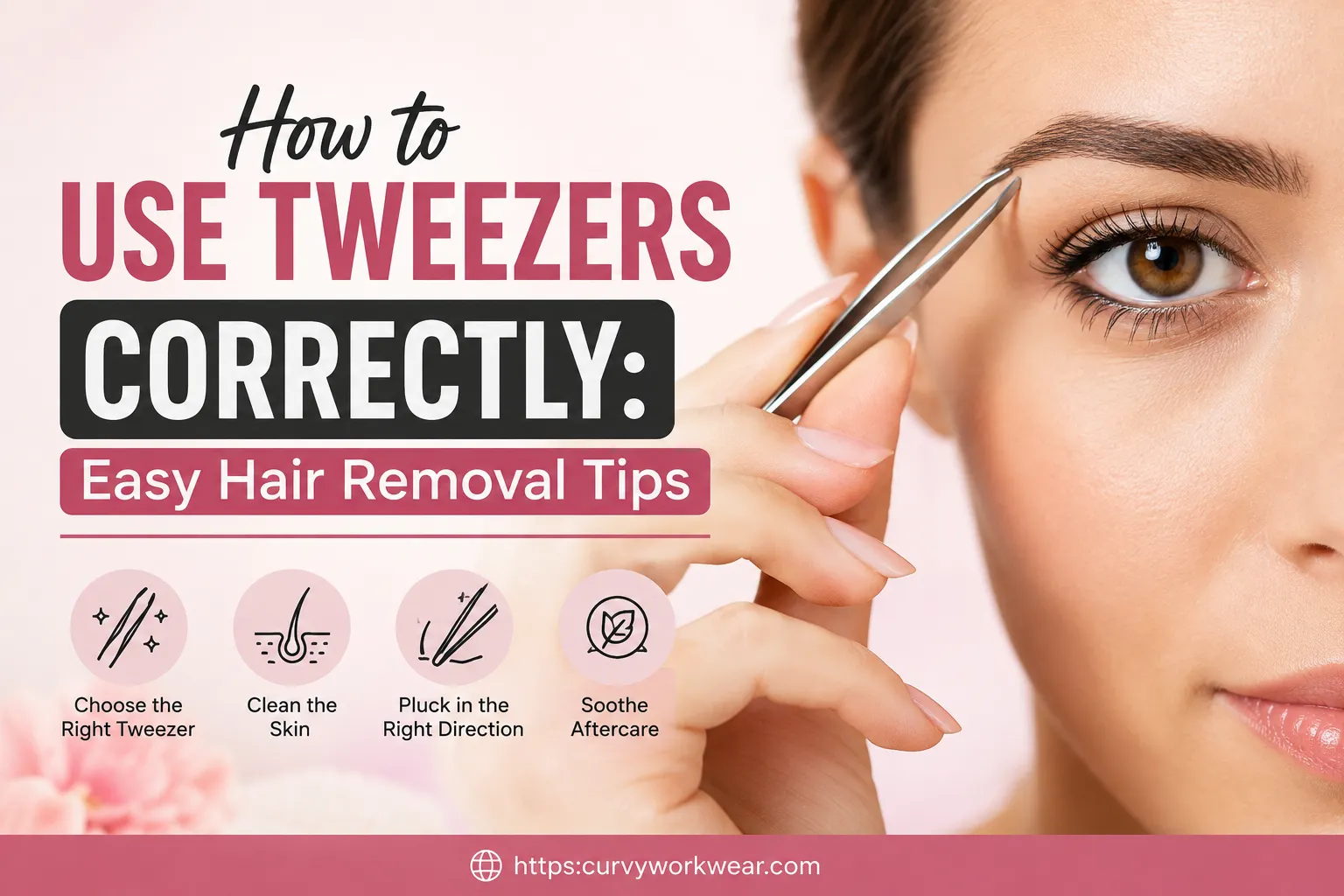
How to Use Tweezers Correctly: Easy Hair Removal Tips
Plucking one stray eyebrow hair shouldn’t feel like a fight. Yet many people grip their tweezers wrong. They pull at the wrong angle. They end up with red, irritated skin.
The good news is simple. Once you learn how to use tweezers properly, hair removal becomes fast and precise. Whether you’re shaping eyebrows or removing chin hair, the right technique with tweezers makes all the difference.
In this guide, you’ll learn how to tweeze hair the correct way. You’ll also see which tools work best and which mistakes to avoid. No salon visit needed — just a few small habits.
Disclaimer: This article is for general information only. It is not medical advice. If you have sensitive skin, an infection, or a skin condition, talk to a dermatologist before removing hair.
Why People Still Reach for Tweezers
Tweezers have been around for centuries, and they’re not going anywhere. Unlike waxing or threading, you don’t need an appointment. Unlike shaving, tweezers remove hair from the root.
For example, plucking one eyebrow hair takes seconds. Waiting for a salon slot does not.
Tweezers also give you full control. You decide exactly which hair to remove. This matters when you shape eyebrows or clean up small areas like the upper lip. A good pair of tweezers is a small but essential item in any beauty and grooming accessories kit.
Advantages and Disadvantages of Using Tweezers
Tweezers are useful, but they are not perfect for every job. Knowing the pros and cons helps you use them the right way, and know when another method fits better.
Advantages of Tweezers
- Precise. You remove one hair at a time, so you control the exact shape.
- Affordable. A good pair of tweezers lasts a long time and costs little.
- Longer-lasting results. Because tweezers pull hair from the root, regrowth is slower than shaving. Results often last several weeks, though this varies by person.
- No appointment needed. You can tweeze at home, anytime.
Disadvantages of Tweezers
- Slow for large areas. Tweezing a whole leg would take hours, so it only makes sense for small spots.
- Can hurt. Each pull causes a small pinch, and sensitive skin may feel it more.
- Risk of ingrown hairs. If a hair breaks instead of coming out fully, it can grow back under the skin. According to the Cleveland Clinic, this is a strand of hair that grows back into the skin after shaving, tweezing, or waxing, and it’s one of the most common tweezing side effects. West Lake Dermatology
- Easy to overdo it. Removing too much hair, especially on eyebrows, is a common mistake that takes weeks to grow back.
Choosing the Right Tweezers
Before learning how to use tweezers, you need the right pair. Not all tweezers are built the same. The wrong type can make plucking harder than it needs to be.
Slant-Tip Tweezers
These have an angled tip. They are the most common type of tweezers. The slant lets you grip hair from almost any angle, which works well for everyday eyebrow shaping.
Pointed-Tip Tweezers
These have a sharp, fine point. They are best for ingrown hairs or splinters, where precision matters more than speed.
Flat-Tip Tweezers
These have a straight, flat edge. They grip larger areas and are less likely to slip, which makes them a good choice for beginners.
Quick tip: Cheap tweezers often have misaligned tips. This means they grab less hair and pinch skin instead. A slightly better pair usually saves time and frustration.
How to Prepare Before Tweezing
Preparation matters more than most people think. Skipping this step is one reason plucking hurts.
Clean the Area First
Wash your face or the area you plan to tweeze. This removes oil and makeup that make hair slippery and hard to grip. If your hair often feels coated or heavy from product buildup, a clarifying shampoo routine for your scalp and hairline area can help too.
Tweeze After a Shower
Your pores open up after a warm shower. This means hair comes out easier and with less pain. If a shower isn’t possible, hold a warm, damp cloth on the area for a minute instead.
Disinfect Your Tweezers
Wipe the tips with rubbing alcohol before use. WebMD recommends cleaning tweezers with rubbing alcohol before and after each use to lower the chance of infection.
How to Use Tweezers the Correct Way
This is the part most people get wrong. Good technique is the real secret to painless hair removal. For more everyday tricks like this, check our grooming tips section.
Step 1: Find Good Lighting
Natural daylight works best. Dim bathroom lighting hides fine hairs and can make you grab skin instead.
Step 2: Pull Skin Taut
Use your free hand to gently stretch the skin around the hair. Tighter skin makes the hair easier to grab.
Step 3: Grip Close to the Root
Hold the tweezers close to the base of the hair, not the tip. This gives better control and removes the whole hair.
Step 4: Pull in the Direction of Hair Growth
This step is easy to skip. Pulling against hair growth increases pain. It also raises the chance the hair breaks off under the skin.
Step 5: Pull in One Quick, Smooth Motion
Avoid yanking at the same hair more than once. A single, confident pull hurts less than several small tugs.
How to Tweeze Hair for Different Areas
Different parts of the body need slightly different care. Here is how to tweeze hair in the areas people ask about most.
Eyebrows
Tweeze only the hairs outside your natural brow shape. Removing too much from the top or bottom can throw off the whole shape.
Upper Lip and Chin
Skin here is thinner and more sensitive. Go slowly. Healthline notes that tweezing works on any facial hair and is especially useful for shaping, but sensitive areas need extra care and a steady hand.
Stray Body Hairs
For a random hair on an arm or finger, tweezing is fine since it’s a one-off job. For larger areas like legs, tweezing takes too long. Shaving or waxing is more practical there.
Common Tweezing Mistakes to Avoid
Even with good tweezers, small mistakes can undo your effort. Here are the most common ones.
Tweezing Too Much at Once
Removing several hairs in one session, especially on eyebrows, can lead to over-plucking. It is easy to get carried away.
Using Dull or Dirty Tweezers
Dull tweezers slip and pinch skin instead of gripping hair cleanly. Clean, sharp tweezers make the process faster and less painful.
Tweezing in Bad Lighting
Poor lighting leads to guesswork. This often means missed hairs, or worse, tweezing the wrong spot.
Ignoring Aftercare
Skipping aftercare can leave skin red for longer than it needs to be. A cold compress calms the skin down quickly.
Aftercare Tips for Smooth, Calm Skin
Aftercare is simple but easy to forget. A minute or two here prevents redness and bumps later.
- Apply a cold, damp cloth right after tweezing to reduce redness.
- Use a fragrance-free moisturizer or aloe vera gel to soothe the skin.
- Avoid makeup on the area for a few hours if you can.
- Skip harsh exfoliants or retinol products on freshly tweezed skin for a day.
FAQ: Common Questions About Using Tweezers
Does tweezing hurt more than waxing?
Tweezing usually causes a quick, small pinch since only one hair comes out at a time. Waxing removes many hairs at once, which some people find more painful. Pain tolerance varies from person to person.
How often should I replace my tweezers?
Good tweezers can last for years if you keep them clean. Replace them sooner if the tips become bent, rusted, or no longer close evenly.
Can tweezing cause ingrown hairs?
Yes. This happens if hair breaks below the skin instead of coming out fully. Pulling in the direction of hair growth and gripping close to the root lowers this risk.
Is it better to tweeze or shave facial hair?
Tweezing works well for small areas like eyebrows, since it removes hair from the root and lasts longer. Shaving is faster for larger areas, but hair grows back within a few days.
How do I stop my eyebrows from looking uneven after tweezing?
Follow your natural brow shape. Remove hair a few strands at a time and check the mirror often. Going slowly prevents the common mistake of removing too much from one side.
Conclusion
Learning how to use tweezers correctly turns a fiddly task into a quick habit. Good lighting, clean tools, and pulling in the direction of hair growth make the biggest difference.
Whether you’re shaping eyebrows or removing a stray chin hair, the right tweezers and the right technique mean less pain and better results. Try these tips the next time you reach for your tweezers, and notice how much smoother the process feels.