Introduction
Ever wash your blonde hair and notice it looks a little yellow or brassy a few weeks later? That’s not your imagination — it’s exactly the problem purple shampoo was made to fix. In fact, it happens to almost everyone with lightened hair.
Purple shampoo is the fix most stylists recommend. It’s a color-correcting product made for blonde, gray, white, or highlighted hair. So if you’ve ever wondered what does purple shampoo do or why the formula looks so strange in the bottle, this guide answers it all.
By the end, you’ll know exactly how this toning product works, when to use it, and how to avoid common mistakes.
What Is Purple Shampoo?
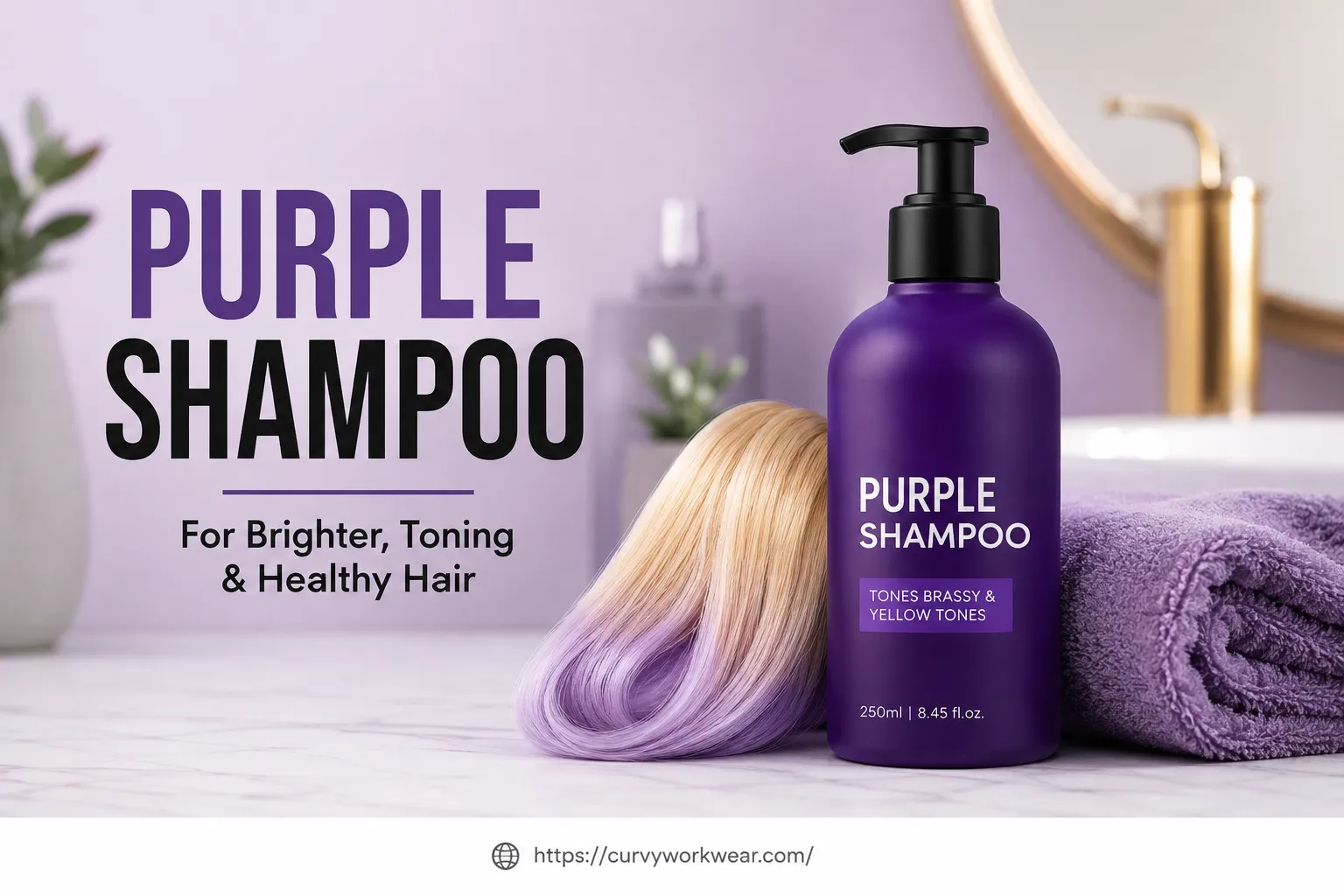
Purple shampoo is a toning formula with violet pigments mixed into the base. However, it’s not a regular cleansing product, even though it still washes your hair.
Its main job is to cancel out yellow and brassy tones. These tones, for example, show up naturally on blonde, gray, silver, or bleached hair over time.
Who Actually Needs It
This kind of toning wash works best for people with light hair. Specifically, this includes:
- Natural or dyed blondes
- Gray or white hair
- Silver or platinum hair
- Highlighted or balayage hair
On the other hand, if your hair is dark brown or black, it won’t do much for you. That’s because there isn’t enough yellow pigment in dark hair for the violet tones to cancel out.
How Does Purple Shampoo Work?
This is where color theory comes in, and it’s simpler than it sounds. Think back to that color wheel from art class.
Purple and yellow sit across from each other on that wheel. Since colors that are opposite each other cancel out when mixed, that’s the entire trick behind this product, as Healthline explains in its breakdown of violet pigment shampoos.
The Science Behind the Color
When you bleach or lighten hair, you strip away the natural pigment. What’s often left behind, however, is a warm, yellow or orange base tone. This happens because hair naturally holds more yellow and red pigment underneath.
To fix that, the formula deposits tiny violet pigment particles onto the hair strand. These particles then sit on the surface, right next to the yellow tones. As a result, your eyes blend the purple and yellow together, and the outcome reads as a neutral, cooler shade instead of a warm, brassy one.
It’s the same idea people use with white paint. For instance, if white paint looks a bit yellow, artists sometimes add a touch of purple to balance it out. Similarly, your hair works the same way.
What Does Purple Shampoo Do for Your Hair?
Beyond fixing color, this product has a few specific jobs. Understanding them helps you use it the right way.
It Neutralizes Brassiness
This is the number one reason people buy it. Essentially, brassiness happens when blonde or gray hair develops warm, orange-yellow undertones after washing, swimming, or sun exposure.
It Keeps Toner Fresh
If you’ve had your hair professionally toned at a salon, this toning wash helps stretch that result between appointments. According to L’Oréal Paris’s guide on color-treated hair care, toner fades with every wash, and violet pigments slow down how fast it disappears.
It Does Not Lighten Hair
This is a common myth, though. In reality, it doesn’t bleach or lighten your natural color at all. Instead, it only adjusts the tone of the color that’s already there. If you’re building a full color-care routine, our guide on ombre hair color styles and maintenance tips explains where toning products fit alongside the rest of your aftercare steps.
It Cleanses Like a Regular Shampoo
Most formulas still clean your scalp and hair. That said, some are gentler or more concentrated than others, so results vary by brand.
How to Use Purple Shampoo the Right Way
Using it incorrectly is the most common reason people end up with an unwanted purple or gray tint. Here’s how to avoid that.
Step-by-Step Application
- Wet your hair fully before applying.
- Apply a small amount, focusing on the areas that look most brassy, usually the ends and front pieces.
- Massage it in gently, like a normal wash.
- Leave it on for 2 to 5 minutes. Check the product label, since timing varies by brand.
- Rinse thoroughly with cool or lukewarm water.
How Often Should You Use It
Most people use it once or twice a week. Meanwhile, hair that’s very light, like platinum blonde, may need it more often, while hair with subtle highlights usually needs it less.
Overall, using it every single day is usually too much for most hair types. In fact, overuse is one of the biggest mistakes people make with this kind of product.
Advantages and Disadvantages of Purple Shampoo
Like any hair product, this toning formula has upsides and downsides. So here’s a balanced look at what to expect.
Advantages
- Reduces brassiness fast. Most people notice a difference after just one or two uses.
- Extends salon color. It stretches the time between toning appointments, which can save money over time.
- Easy to use. It works just like a regular shampoo, so there’s no learning curve.
- Widely available. You can find it at drugstores, salons, and online at almost any price point.
Disadvantages
- Can dry out hair. Some formulas contain stronger cleansing agents that may leave hair feeling stripped, especially with frequent use.
- Risk of overtoning. Leaving it on too long, or using it too often, can leave a dull purple or ashy gray tint on light hair.
- Doesn’t work on dark hair. It has little to no visible effect on brunette or black hair.
- Not a one-time fix. Since it only sits on the hair surface, results fade with every wash, so it needs regular use to keep working.
Common Mistakes to Avoid
A few simple errors, unfortunately, cause most of the bad results people blame on this product.
Leaving It On Too Long
More time does not always mean better results. In fact, leaving the formula on longer than the label recommends often leads to a purple or gray cast, especially on very light or porous hair. This concept lines up with the color-mixing logic covered in Formulate’s explanation of how complementary colors interact on hair.
Using It on Freshly Bleached Hair
Freshly bleached hair is more porous, meaning it absorbs pigment faster. As a result, using a toning wash right after bleaching can sometimes lead to uneven or overly cool results.
Skipping Conditioner
This kind of shampoo can be slightly drying for some hair types. Therefore, following up with a moisturizing conditioner helps keep hair from feeling brittle or straw-like. For more general hair care basics, our hair care category has additional guides worth browsing, including tips for texture types covered in our piece on why hair turns curly.
FAQs About Purple Shampoo
What does purple shampoo do exactly?
It neutralizes yellow and brassy tones in blonde, gray, or highlighted hair. Specifically, it uses violet pigments that sit opposite yellow on the color wheel, which cancels out the warmth.
How does purple shampoo work on gray hair?
It works the same way it does on blonde hair. Gray hair, however, often turns yellow from product buildup or sun exposure, and the violet tones counter that yellowing to keep gray hair looking bright and cool-toned.
Can purple shampoo damage your hair?
It doesn’t damage hair on its own, but overusing it or leaving it on too long can leave hair feeling dry or looking dull. Therefore, using it as directed, along with a good conditioner, usually prevents this.
How long do I leave purple shampoo in my hair?
Most brands recommend leaving it on for 2 to 5 minutes. Always check the specific product label, though, since formulas vary in strength.
Will purple shampoo turn my hair purple?
It can, but only if it’s left on too long or used too often on very light or porous hair. So following the recommended time on the label usually avoids this issue.
Conclusion
Purple shampoo is a simple, affordable way to fix brassy, yellow tones in blonde, gray, and highlighted hair. Essentially, it works through basic color theory: violet pigments cancel out unwanted yellow, leaving hair looking cooler and fresher.
That said, the key is using it correctly. Stick to the recommended timing, avoid overusing it, and pair it with a good conditioner to keep hair healthy overall.
In short, if brassy tones keep creeping back into your hair color, it might be time to add this product to your routine and see the difference for yourself.
Disclaimer: This article is for general informational purposes only and does not replace advice from a licensed hairstylist or dermatologist. Results vary by hair type, porosity, and brand formula, so always follow the instructions on your specific product and do a strand test if you’re unsure.