Introduction
Choosing the right fabric can make a big difference in comfort, style, and durability. Ramie fabric is a natural textile known for its strength, crisp texture, and breathable feel. It is often used in summer clothing, shirts, dresses, and home textiles. However, it can wrinkle easily and may feel stiff compared to softer fabrics like cotton. Understanding its properties can help you decide whether it suits your needs.
In this guide, we will explore how ramie fabric feels, its main benefits and drawbacks, and how it compares with other materials. You will also learn about its common uses and simple care tips before choosing ramie fabric for your wardrobe.
What Is Ramie Fabric?
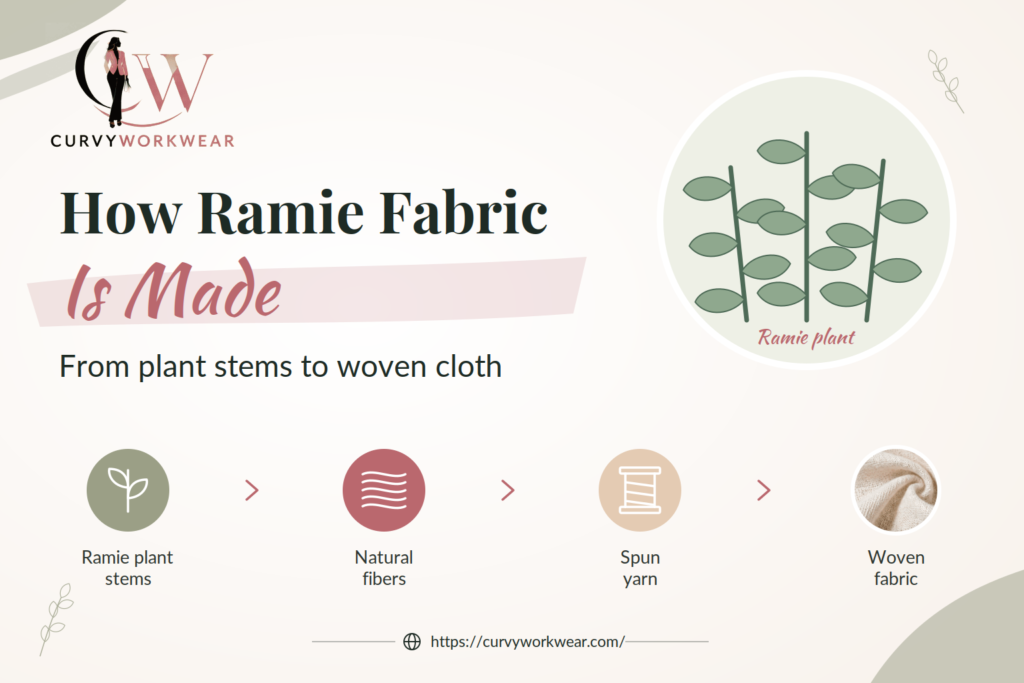
Ramie fabric is a natural textile made from fibers taken from the stems of the ramie plant. This plant belongs to the nettle family and is also known as China grass. Ramie is one of the oldest plant fibers used to make textiles. Manufacturers process the fibers and spin them into yarn for weaving or knitting. The fabric often has a crisp texture and a natural shine. It is also known for its strength and ability to absorb moisture. Manufacturers use ramie alone or blend it with cotton and other fibers. These blends can change the fabric’s softness, feel, and performance.
What Does Ramie Fabric Feel Like?
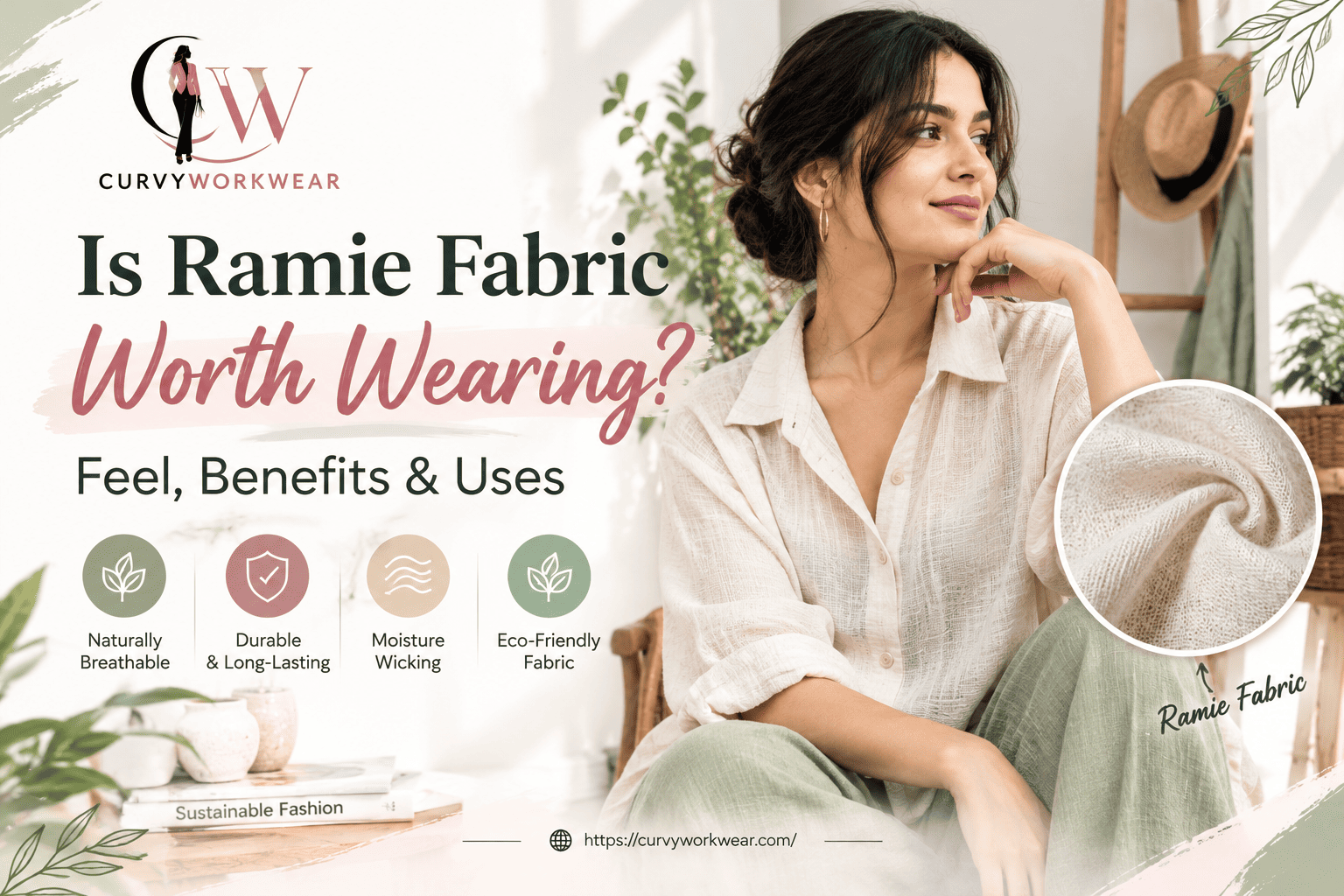
Ramie fabric usually feels crisp, smooth, and slightly firm. Its surface can have a natural shine that looks similar to linen. Some ramie fabrics feel soft, while others feel stiff or slightly rough. The final feel depends on the fiber quality, fabric construction, and finishing process. Ramie can also feel cool and comfortable in warm weather because it absorbs moisture. However, it does not stretch much and can wrinkle easily. If you prefer softer clothing, look for ramie blended with cotton. Check the fabric label before buying, as different blends can feel quite different.
How Ramie Fabric Compares with Other Fabrics
| Fabric | Feel and Texture | Main Characteristic |
|---|---|---|
| Ramie | Crisp, smooth, and sometimes firm | Strong plant-based fiber |
| Linen | Crisp, textured, and airy | Wrinkles easily |
| Cotton | Often soft and comfortable | Suitable for everyday clothing |
| Polyester | Varies by weave and finish | Often resists wrinkles better |
These fabrics can feel different depending on their quality, weave, and finishing. Ramie and linen often have a crisp feel, while cotton is usually softer. Polyester can also feel soft or smooth, depending on how manufacturers make it.
What Are the Benefits of Ramie Fabric?
Ramie fabric offers several benefits for everyday clothing and home textiles. It is known for its strength, moisture absorption, and natural texture. These qualities make it a useful choice for shirts, dresses, and summer outfits. However, its comfort depends on the fabric’s weave and finish.
Breathability and Moisture Absorption
Ramie fibers absorb moisture and help fabrics feel comfortable in warm weather. They can take in sweat from the skin. The fabric can also release moisture into the surrounding air. This makes ramie a useful option for summer shirts and lightweight clothing. However, its breathability depends on the weave and fabric thickness. A tightly woven ramie fabric may feel less airy than a loose one.
Strength and Durability
Ramie is one of the strongest natural plant fibers. It retains much of its strength when wet. This makes it useful for clothing and other textile products. However, strong fibers do not guarantee that every ramie garment will last longer. Fabric quality, construction, and proper care also affect durability. Ramie can crease easily and may weaken at folds with repeated stress. Gentle care helps keep ramie clothing in good condition.
Lightweight Feel and Natural Texture
Ramie fabric often has a crisp feel and a natural shine. Lightweight versions work well for shirts, dresses, and warm-weather outfits. Its texture can give clothing a relaxed, linen-like appearance. However, pure ramie may feel firm rather than soft. Some fabrics feel smoother because of special finishing or fiber blends. If you prefer softer clothing, consider ramie blended with cotton. Always check the fabric details before buying.
What Are the Drawbacks of Ramie Fabric?
Although ramie fabric has several benefits, it also has some drawbacks. It can wrinkle easily and may feel stiff against the skin. It also needs proper care to maintain its appearance. Understanding these issues can help you decide if ramie suits your needs.
Wrinkles Easily
Ramie fabric wrinkles easily because its fibers have little natural stretch. Creases can appear when you sit, bend, or fold the garment. Repeatedly pressing sharp creases may also damage the fibers over time. You can reduce wrinkles by removing clothes promptly after washing. Ironing while the fabric is slightly damp may also help. Always follow the garment’s care label before ironing.
Can Feel Stiff or Rough
Pure ramie fabric can feel firm rather than soft and flexible. Its natural fibers have limited elasticity, which gives the fabric a crisp texture. Some garments may also feel rough if their fibers lack proper processing. However, not every ramie fabric feels uncomfortable against the skin. Fine fibers, soft finishes, and cotton blends can improve comfort. Check the fabric’s texture before buying, especially for everyday clothing.
Care and Shrinkage Concerns
Ramie clothing needs care that suits its fabric construction and finish. High heat and rough washing can affect some garments. Blended fabrics may also react differently during washing and drying. Ramie does not always shrink easily, so avoid assuming every garment behaves alike. Check the care label before washing or ironing your clothes. Use gentle washing methods when the label recommends them. Proper care helps maintain the garment’s shape and appearance.
Ramie Fabric Benefits vs. Drawbacks
| Benefits | Drawbacks |
|---|---|
| Strong natural fiber | Wrinkles easily |
| Absorbs moisture | Can feel stiff |
| Natural texture and shine | May need ironing |
| Suitable for warm-weather clothing | Care requirements vary by garment |
Ramie can be a good choice if you like crisp, breathable fabrics. However, softer blends may suit you better if comfort is your priority. Always check the fabric composition and care instructions before buying.
What Is Ramie Fabric Used For?
Ramie fabric is used in clothing, home textiles, and other fabric products. Its strength, natural shine, and crisp texture make it useful for different items. Manufacturers also blend ramie with other fibers to change its feel and performance. Its exact use depends on the fabric’s weight, weave, and finish.
Dresses, Shirts, and Summer Clothing
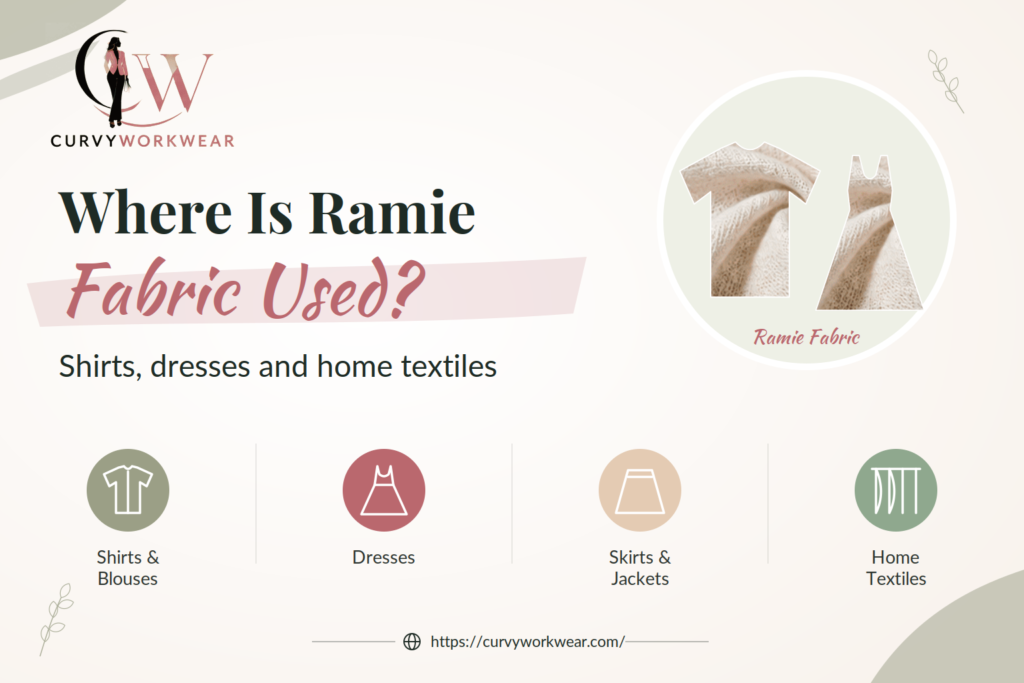
Ramie is often used to make dresses, shirts, blouses, skirts, and jackets. Its lightweight versions work well for warm-weather clothing. The fabric has a crisp texture and a natural shine. These features give outfits a fresh, linen-like appearance. Ramie can also be blended with cotton for a softer feel. Some blends are better suited for everyday wear than stiff, pure ramie fabrics. When shopping, check the fabric label to understand its fiber content.
Home Textiles and Blended Fabrics
Ramie is also used in curtains, tablecloths, towels, and upholstery fabrics. Its strength makes it useful for certain household textiles. The fabric’s natural texture can also add a simple, elegant look. However, its suitability depends on the item’s construction and intended use. Manufacturers often blend ramie with cotton, wool, or silk. They may also combine plant fibers like ramie with other natural options such as banana fiber fabric, which is another plant-based textile with its own texture and uses. Cotton can make the fabric feel softer, while other fibers change its drape and texture. These blends help manufacturers create fabrics for different needs. Always check the fiber composition before choosing ramie textiles for your home.
Ramie Fabric vs. Linen vs. Cotton
Ramie vs. Linen vs. Cotton
| Feature | Ramie | Linen | Cotton |
|---|---|---|---|
| Fiber source | Ramie plant | Flax plant | Cotton plant |
| Texture | Crisp and textured | Crisp and textured | Often soft |
| Wrinkling | Wrinkles easily | Wrinkles easily | Depends on fabric construction |
| Common uses | Clothing and textiles | Clothing and home textiles | Clothing and home textiles |
Which fabric should you choose?
Choose ramie if you like crisp fabric with a natural shine. Linen suits people who enjoy an airy feel and relaxed texture. Cotton is a good option if you prefer a softer feel. However, the weave and finish can affect each fabric’s comfort. Check the garment’s care label before making your final choice.
How to Wash and Care for Ramie Fabric?
Ramie fabric can last longer when you care for it properly. Gentle washing and careful ironing help maintain its appearance. Always check the garment’s care label before cleaning it.
Washing and Drying Tips
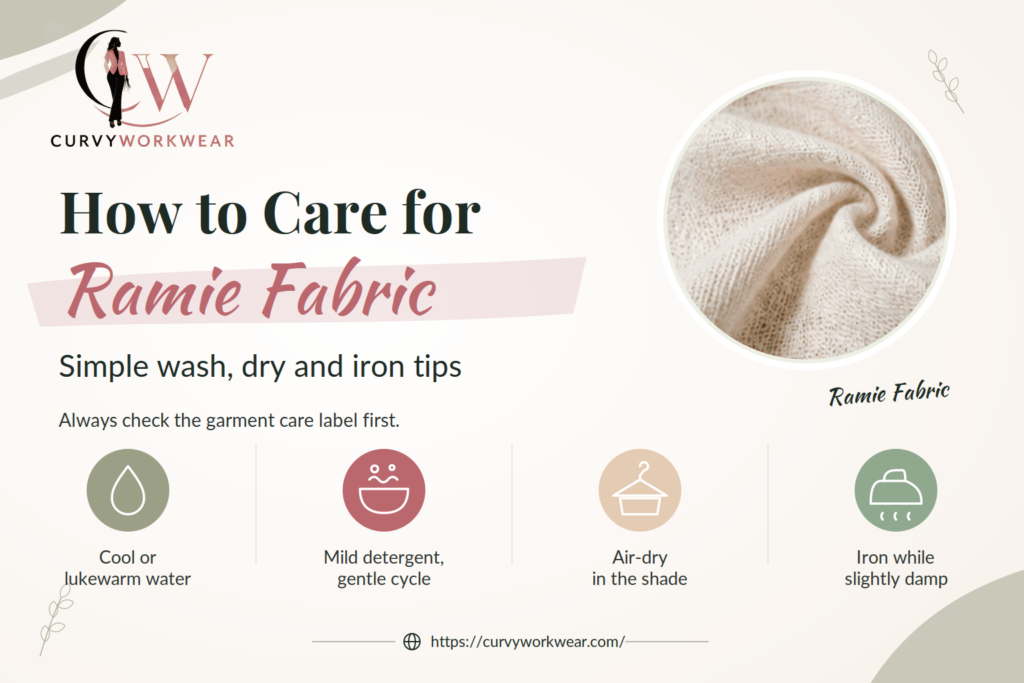
Wash ramie clothing with cool or lukewarm water when the label allows. Use a mild detergent to clean the fabric gently. You can hand wash delicate items or use a gentle machine cycle. Turn garments inside out to protect their surface.
Avoid twisting or wringing the fabric to remove excess water. Instead, press the water out gently with a clean towel. Air-dry the garment in a shaded, well-ventilated area. Avoid high dryer heat unless the care label allows it. These steps can help reduce shrinkage and protect the fabric’s shape.
Ironing and Storage
Ramie fabric wrinkles easily, so ironing may sometimes be necessary. Iron it while slightly damp if the care label permits. Use the recommended temperature setting and test a hidden area first. A pressing cloth can help protect the fabric from direct heat.
Let the garment dry completely before storing it. Fold it neatly or hang it on a suitable hanger. Keep ramie clothing in a cool, dry place. Avoid leaving it in damp or poorly ventilated storage.
Is Ramie Fabric Worth Wearing?
Ramie fabric is worth wearing if you like crisp, breathable clothing. Its natural texture and strength make it suitable for many summer outfits. It can also work well for shirts, dresses, and home textiles.
However, ramie wrinkles easily and may feel stiff against the skin. It may not suit people who prefer soft, stretchy fabrics. Blends with cotton can offer a softer feel. Your best choice depends on comfort, style, and care needs. Check the fabric composition and care label before buying.
Frequently Asked Questions (FAQs)
1. Is Ramie Fabric a Good Quality Fabric?
Yes, ramie fabric can be a good-quality fabric. It is strong, durable, and naturally shiny. However, quality depends on fiber processing, fabric construction, and finishing. Check the texture and fabric label before buying.
2. Is Ramie Fabric Soft or Rough?
Ramie fabric usually feels crisp, smooth, and slightly firm. Some fabrics may feel rough if their fibers lack proper processing. Cotton blends and soft finishes can improve comfort. Always check the fabric’s feel before buying.
3. Is Ramie Fabric Good for Summer?
Yes, ramie fabric can be a good choice for summer clothing. It absorbs moisture and releases it into the air. Its crisp texture can also feel cool in warm weather. Lightweight ramie shirts and dresses work well for summer outfits.
4. Does Ramie Fabric Wrinkle Easily?
Yes, ramie fabric wrinkles easily because its fibers have little natural stretch. Sitting, folding, and bending can create creases. You can reduce wrinkles by handling garments gently. Follow the care label when ironing ramie clothing.
5. Is Ramie Fabric Better Than Cotton?
Neither fabric is always better than the other. Ramie is strong and has a crisp, shiny texture. Cotton usually feels softer and suits everyday clothing. Your best choice depends on comfort, style, and care preferences.
6. Does Ramie Fabric Shrink After Washing?
Ramie fabric can shrink under certain washing and drying conditions. Hot water, high heat, and rough washing may affect its size. However, shrinkage varies with fabric construction and finishing. Use gentle washing methods and follow the care label.
7. Is Ramie Fabric Sustainable?
Ramie comes from a plant-based fiber, but that alone does not guarantee sustainability. Its environmental impact depends on farming, processing, and finishing methods. Removing natural gums from the fibers can require chemicals and water. Look for clear information about the fabric’s production before buying.
8. How Do You Wash Ramie Fabric?
Wash ramie fabric using cool or lukewarm water when the label allows. Choose a mild detergent and a gentle washing cycle. Avoid wringing the garment or using high dryer heat. Air-dry it carefully and iron according to the care label. These steps can help protect its shape and texture.
Conclusion
Ramie fabric is a good choice if you prefer strong, lightweight clothing. Its natural shine and crisp texture give outfits a fresh look. It also absorbs moisture, making it suitable for warm-weather clothing.
However, ramie wrinkles easily and may feel stiff against the skin. It can also need careful washing, drying, and ironing. Cotton blends may offer a softer feel for everyday wear. Before buying, check the fabric composition and care instructions. Choose ramie if its texture, comfort, and care needs suit your lifestyle.
Disclaimer: This article is for general informational purposes only. Fabric quality, comfort, and care needs can vary by manufacturer and fabric blend. Always check the garment’s care label before washing, drying, or ironing. We recommend reviewing the fabric details before making a purchase.