Introduction
Ever seen a thin string shaping someone’s eyebrows and wondered how it works? That’s eyebrow threading, and it’s been shaping brows for centuries.
Threading is one of the oldest hair removal methods around, yet it still confuses a lot of people. Does it hurt? Is it better than waxing? How long does it last?
This guide answers all of that. We’ll walk through what eyebrow threading actually is, how the process works, and the pros and cons that come with it.
By the end, you’ll know exactly what to expect at your next appointment, or how to try it yourself. For more grooming guides like this one, check out our grooming tips section.
What Is Eyebrow Threading?
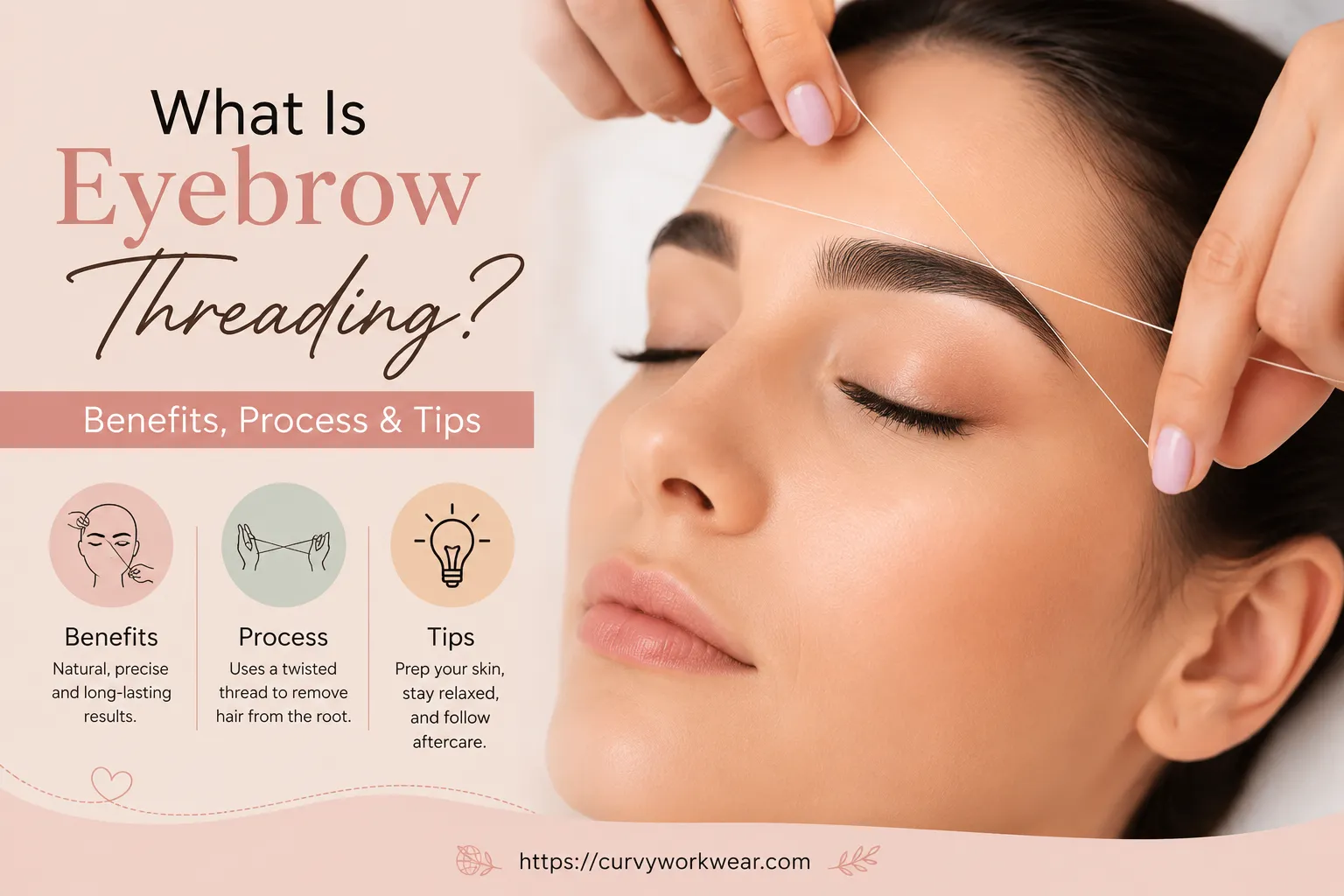
Eyebrow threading is a hair removal technique that uses a thin twisted cotton thread to pull hair out from the root. A trained technician holds the thread between their fingers and mouth, then rolls it across the skin to trap and lift unwanted hairs.
Unlike tweezing, which removes one hair at a time, threading can remove a whole row of hairs in a single motion. This makes it faster for shaping a full eyebrow line.
The technique started in South Asia and the Middle East hundreds of years ago. Today, you’ll find it in salons and beauty spas across the world. According to Cleveland Clinic, threading has grown into one of the most requested brow services in the U.S. over the past decade.
How Is It Different From Waxing or Tweezing?
Waxing pulls hair using a sticky wax strip, which also removes a thin layer of dead skin. Threading only targets the hair, not the skin, so it tends to feel gentler on sensitive skin.
Tweezing plucks one hair at a time. This works for small touch-ups. But it takes far longer for a full brow shape. Threading sits in between: faster than tweezing, and more precise than waxing.
The Eyebrow Threading Process, Step by Step
Knowing what to expect can make your first threading session feel easier and more comfortable.
Step 1: Prep and Consultation
The technician looks at your natural brow shape and face structure. They may ask about the shape you want, whether that’s a natural arch, a bold line, or just cleaning up stray hairs.
Step 2: Mapping the Brow
Some technicians use a brow pencil to outline the shape first. This helps guide where hair should stay and where it should go.
Step 3: Threading Begins
The technician twists a piece of cotton thread into a loop, holding one end in their teeth and the other in one hand. They move the twisted section across the brow line in quick motions, trapping hairs in the twist and pulling them out from the root.
Step 4: Shaping and Cleanup
Once the main shape is done, the technician checks both eyebrows for symmetry. They may thread a few extra strays or use tweezers for tiny finishing touches.
Step 5: Aftercare
A cooling gel, aloe vera, or soothing lotion is often applied to calm the skin. This step helps reduce redness right after the session. If you want to build a full aftercare routine, our skincare guides cover gentle products that pair well with threading.
A full session usually takes about 10 to 15 minutes, though this can vary based on how much hair needs to be removed.
Advantages and Disadvantages of Eyebrow Threading
Threading has stayed popular for centuries, but like any hair removal method, it isn’t perfect for everyone. Here’s a balanced look at both sides.
Advantages
Precise shaping. Threading allows for very sharp, clean lines. This makes it a good choice for people who want a defined, structured brow shape.
Gentle on skin. Since no wax or chemicals touch the skin, threading is often recommended for people with sensitive skin. However, everyone’s skin reacts differently, so a patch test or consultation is still a good idea.
No chemical irritation. No products touch the skin during the actual hair removal step. This lowers the risk of allergic reactions compared to waxing, which uses wax and sometimes fragrance.
Removes even very short hairs. Threading can grab hairs that are too short for waxing to catch.
Longer-lasting results. Because threading pulls hair from the root, regrowth takes longer to appear compared to shaving. Most people find their brows stay shaped for a few weeks before needing another session.
Disadvantages
Some discomfort is normal. Threading involves quick pulling sensations. Most people describe it as a series of small pinches rather than sharp pain, but sensitivity varies from person to person.
Redness and irritation can happen. Skin around the brow is thin and can react with temporary redness, swelling, or tenderness after a session, even when the technique is done correctly.
Skill-dependent results. An inexperienced technician can create uneven brows, over-thin a shape, or cause unnecessary discomfort. A study published in the Indian Journal of Dermatology documented skin complications, including infections, linked to threading performed under poor hygiene conditions.
Infection risk when hygiene is poor. Because the thread and the technician’s hands are close to the skin and eyes, salons that don’t follow strict sanitation practices raise the risk of bacterial or viral skin infections.
Not ideal for very coarse or thick brows. People with dense brow hair may find threading slower and more repetitive compared to waxing, which clears larger areas at once.
Temporary results. Threading removes hair from the root, but it doesn’t stop regrowth permanently. Regular upkeep is needed to maintain the shape.
Does Eyebrow Threading Hurt?
This is one of the most common questions, and the honest answer is: it depends on your pain tolerance.
Threading involves quick pulling sensations, similar to a series of small pinches. Most people describe it as mildly uncomfortable rather than painful, and any discomfort usually fades within a few minutes after the session. AllAboutVision notes that threading is generally considered a safe cosmetic procedure, though it does carry some risk of irritation for certain skin types.
If you’re new to threading, going in early in your appointment can sometimes make you feel calmer during the process.
Tips Before and After Your Threading Appointment
A little preparation goes a long way with eyebrow threading. Here are some practical tips.
Before your appointment
Let your brows grow out for at least one to two weeks so the technician has enough length to work with. Avoid caffeine right before your session if you’re sensitive to discomfort. Come with a reference photo if you want a specific shape.
After your appointment
Avoid touching your eyebrows with unwashed hands for the rest of the day. Skip makeup on the brow area for a few hours to let the skin settle. Apply a gentle, fragrance-free moisturizer if the area feels tight or dry. Avoid direct sun exposure or hot showers right after your session, since skin can be more sensitive.
How Often Should You Get Your Eyebrows Threaded?
Most people book a touch-up every three to four weeks. However, hair growth speed is different for everyone. Some people stretch it to six weeks, while others prefer more frequent shaping.
If you’re trying threading for the first time, ask your technician for a recommended schedule based on your natural hair growth.
Is Eyebrow Threading Right for You?
Threading works well for most skin types and hair textures. It’s a solid pick if you want sharp definition, have sensitive skin, or want a chemical-free option.
That said, if you have very thick or coarse brows and want faster, broader coverage, waxing might suit you better. Some people even combine both: waxing for the bulk of the shape, and threading for fine detail work.
FAQ: Common Questions About Eyebrow Threading
How long does eyebrow threading take?
A typical session takes about 10 to 15 minutes. The exact time depends on how much hair needs shaping and how detailed the desired brow shape is.
Is eyebrow threading better than waxing?
Neither is universally “better.” Threading offers more precision and is gentler on skin, while waxing can cover larger areas faster. The right choice depends on your skin type and the look you want.
Does eyebrow threading cause skin damage?
Threading is generally considered low-risk for skin damage since it doesn’t involve chemicals or heat. However, redness and slight sensitivity right after the session are normal and usually fade within an hour or so.
Can beginners do eyebrow threading at home?
It’s possible, but it takes practice to master the hand and mouth coordination needed. Many people prefer their first few sessions with a trained technician before attempting it themselves.
How much does eyebrow threading cost?
Prices vary widely depending on your location, salon, and technician experience. It’s best to check with local salons for current pricing in your area.
Conclusion
Eyebrow threading is a precise, largely gentle way to shape your brows using nothing more than a twisted cotton thread. From its ancient roots to modern beauty salons, it remains popular because it delivers clean lines without chemicals or heat.
Like any hair removal method, it comes with trade-offs. Weighing the advantages against the disadvantages above can help you decide if it’s the right fit for your skin and your routine. If you’re ready to try it, book a session with an experienced technician and don’t be afraid to ask questions before you start. For more beauty and grooming reads, browse our hair care section.
Disclaimer: This article is for general informational purposes only and is not a substitute for professional medical advice. Results and side effects may vary by skin type. If you have a skin condition or irritation, consult a dermatologist before threading. Pricing and salon practices may change, so confirm details with your chosen salon.