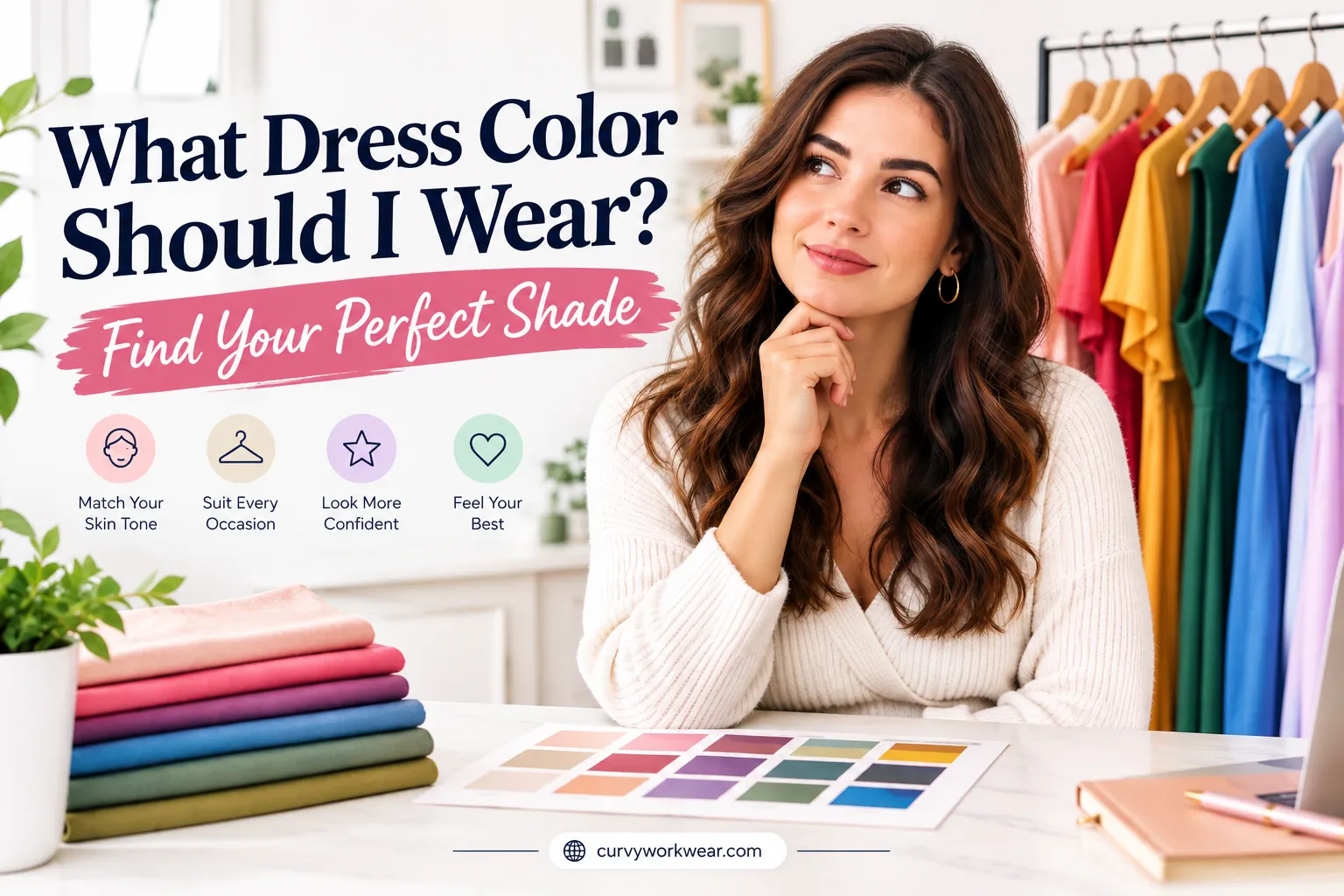
Standing in front of a full closet with “nothing to wear” is one of the most common style problems out there. It gets even worse when every dress you try on just feels off, even though you can’t say exactly why.If you’ve ever asked yourself, “what dress color should I wear so it actually works for me?”, you are not alone. Teenagers picking an outfit for a school event, brides-to-be shopping for a wedding, and professionals dressing for a big meeting all run into the same question.
The good news is that choosing the right dress color is not guesswork. It comes down to a mix of science (how your skin, eyes, and hair reflect light), psychology (how colors make you and others feel), and a bit of common sense about the occasion. This guide walks through all of it, step by step, in plain and simple language, so you never have to wonder what dress color should I wear again.
Why Dress Color Matters More Than You Think
Color is usually the first thing people notice about an outfit, even before the cut or fabric. The right shade can make your skin look brighter, healthier, and more awake. The wrong one can make you look tired or washed out, even if you slept a full eight hours.
Color also sends a silent message before you say a single word. A bold red dress feels confident and energetic. A soft pastel feels calm and approachable. A deep black feels sharp and formal. Picking a dress color isn’t only about looking good in photos. It’s about choosing how you want to feel and how you want to be perceived.
The Strange Truth: Why People See Dress Color Differently
Before diving into undertones and charts, it helps to know something surprising: your brain, not just your eyes, decides what color you “see.” Color judgment is really a mix of three things working together — your eyes, your brain, and the lighting around the fabric.
This became world-famous in 2015 when a single photo of a striped dress went viral. People could not agree whether it was blue-and-black or white-and-gold, and millions of people, looking at the exact same pixels, argued for days. According to Live Science’s coverage of the color-constancy research, scientists later found that our brains try to guess the type of light in a photo, daylight versus indoor bulbs, and then “correct” the colors based on that guess. If your brain assumes warm indoor lighting, it discounts the yellow cast, and you may see darker, cooler colors. If it assumes cool daylight, you may see lighter, warmer tones instead.
The lesson for your wardrobe is simple: never trust a single photo, screen, or store light to make a final decision. The same dress can look completely different in a dressing room, outdoors, and under evening party lights. Trying a dress on in more than one type of light matters far more than people realize. Natural daylight near a window, indoor lighting, and even your phone’s camera each show something different. Together, they give you a far more honest picture than judging a dress once under a single bulb.
What Dress Color Should I Wear Based on My Skin Tone?
This is the single biggest factor in finding flattering dress colors. Skin tone isn’t just “light” or “dark.” What actually matters is your undertone, which is the subtle color beneath your skin’s surface.
Find Your Undertone First
There are three main undertones: warm, cool, and neutral.
The vein test: Look at the veins on your inner wrist in natural daylight. Greenish veins usually mean a warm undertone. Bluish or purple veins usually mean a cool undertone. If they look like a mix of both, you likely have a neutral undertone.
The jewelry test: Think about which metal looks better against your skin. If gold jewelry makes your skin glow more than silver, you’re probably warm-toned. If silver flatters you more, you’re likely cool-toned. If both look equally good, you’re neutral.
The white fabric test: Hold a plain white t-shirt or a white sheet of paper up to your face in daylight. If your skin looks slightly yellow or golden next to it, you lean warm. If it looks pink or rosy, you lean cool. If neither jumps out, you’re neutral.
The sun test: Do you tan easily or burn quickly? People who tan easily and rarely burn tend to be warm-toned. People who burn easily and tan with difficulty tend to be cool-toned. A mix of both usually points to neutral. For a more detailed breakdown of these tests, PROVEN Skincare’s guide to warm undertones is a helpful outside reference.
Dress Colors for Warm Undertones
If you have a warm undertone, your skin carries hints of yellow, peach, or gold. Earthy, golden colors tend to look best here.
Try mustard yellow, olive green, coral, warm tomato red, camel, rust, terracotta, and warm turquoise. These shades work with the golden hints in your skin instead of fighting against them. When it comes to metallics, gold, bronze, and copper jewelry usually flatter warm undertones far more than silver does. If you want to see how a warm metallic tone can be styled into a full outfit, our gold dress outfit ideas guide has plenty of inspiration.
Dress Colors for Cool Undertones
Cool undertones carry hints of pink, red, or blue. Jewel tones and crisp, cool shades tend to look stunning here.
Think sapphire blue, emerald green, true red, plum, lavender, fuchsia, and icy pastels. Pure white and charcoal gray also tend to look sharp on cool undertones. For metallics, silver, platinum, and white gold generally complement cool skin better than warm gold does.
Dress Colors for Neutral Undertones
Lucky for you, neutral undertones can wear almost anything. Both warm and cool colors tend to look balanced and natural on this skin type.
Soft pinks, teal, navy, dusty rose, sage green, and jade all tend to work particularly well. And when it comes to jewelry, both gold and silver, or rose gold, generally look good, giving you the widest range of choices.
Best Dress Colors for Different Skin Shades
Beyond undertone, the depth of your skin — fair, medium, or deep — also changes how a color reads on you.
Fair skin: Soft pastels can look lovely, but fair skin often looks even more radiant in deeper colors like burgundy, forest green, or navy. The contrast between the deep color and lighter skin tends to make the whole look pop, while colors too close to your natural skin tone can wash you out.
Medium skin: This is one of the most versatile skin depths. Warm caramel, teal, deep purple, and rich jewel tones all tend to look especially rich and vibrant against medium skin.
Deep skin: Bright, bold, saturated colors like fuchsia, bright yellow, cobalt blue, and orange tend to look incredible on deeper skin tones, standing out beautifully instead of getting lost. Deep skin also carries stark white and true black exceptionally well, since the contrast is so striking.
Of course, these are general guides, not strict rules. Personal preference and confidence always matter more than any chart.
Advantages and Disadvantages of Choosing Dress Color by Undertone
Matching your dress color to your undertone is a popular method, but like any styling system, it has both strengths and limits. Weighing these honestly is part of giving you a complete, balanced picture rather than a one-size-fits-all rule.
Advantages:
- It gives you a fast, repeatable starting point instead of guessing at random every time you shop.
- It genuinely can brighten your complexion and reduce the “washed out” or “tired” look that the wrong shade can cause.
- It helps you shop smarter, since you can skip colors that historically haven’t worked for you.
- It works well as a shared language with stylists, tailors, or friends helping you choose an outfit.
Disadvantages:
- Undertone tests (vein test, jewelry test, and so on) are helpful guides, not exact science, and different tests can occasionally point in different directions for the same person.
- Lighting, tanning, makeup, and even a recent illness can temporarily shift how your skin looks, which can throw off a quick test.
- Strict rule-following can make people avoid colors they would otherwise love, simply because a chart didn’t recommend them.
- Undertone alone doesn’t account for personal taste, cultural meaning, or the specific event you are dressing for, all of which matter just as much.
The most balanced approach is to use undertone as a helpful starting filter, not a hard rule, and to always confirm the final choice by trying the dress on in natural light.
Seasonal Dress Color Analysis: Are You a Spring, Summer, Autumn, or Winter?
Undertone tells you half the story. Many stylists also use a system called seasonal color analysis, which groups people into one of four “seasons” based on a combination of undertone, skin depth, hair color, and eye color. It’s a helpful shortcut when you want a fuller picture than undertone alone.
- Spring: Usually warm and light, with golden undertones and lighter hair. Spring types tend to glow in peach, coral, warm green, ivory, and light golden yellow.
- Summer: Usually cool and soft, with muted coloring. Summer types tend to look best in powder blue, soft rose, lavender, and dusty, muted shades rather than very bright ones.
- Autumn: Usually warm and deep, with rich, earthy coloring. Autumn types shine in burnt orange, olive, mustard, chocolate brown, and deep rust.
- Winter: Usually cool and high-contrast, often with dark hair and striking features. Winter types tend to look sharp in true black, pure white, royal blue, and vivid jewel tones.
You don’t need a professional consultation to get value from this. Simply notice which of these four color “moods” keeps showing up in the compliments you get, and lean into that family of shades when shopping. If you want to see how professional colorists track shifting shades each year, Pantone’s official Color of the Year page is a good outside reference for how trend colors are chosen.
Flattering Dress Colors for Your Hair and Eyes
Skin tone isn’t the only clue. Hair color and eye color help fine-tune your best shades even further.
Matching with hair color: Blondes often look great in blues, pinks, and soft greens, since these shades create gentle contrast without overpowering lighter hair. Brunettes tend to shine in warm tones like rust, gold, and deep red. Those with black hair often look striking in bold, saturated colors like emerald or royal blue, since the contrast between hair and dress is bold and eye-catching. Red hair pairs beautifully with greens, warm blues, and deep purples.
Matching with eye color: A simple trick is to pick a dress color that sits roughly opposite your eye color on the color wheel, since opposite colors tend to make each other pop. Blue eyes often look brighter in orange-based shades like coral or peach. Brown eyes tend to look warmer and richer in blues and greens. Green eyes often stand out beautifully in reds, plums, and pinks.
This isn’t an exact science, but it’s a handy trick for photos or special events where you want your eyes to be the main focus.
What Your Dress Color Says: A Quick Guide to Color Psychology
Beyond flattering your features, color carries meaning and mood. Choosing intentionally can change how confident, calm, or bold you feel, and how people read you the moment you walk in.
| Color | Common Meaning | Great For |
|---|---|---|
| Red | Confidence, passion, energy | Date nights, parties, bold entrances |
| Black | Elegance, authority, timeless power | Formal events, evening parties, interviews |
| White | Purity, freshness, new beginnings | Weddings (bride only), garden parties |
| Blue (navy) | Calm, trust, stability | Work events, weddings, professional settings |
| Pink | Romance, softness, playfulness | Spring events, bridal showers, daytime parties |
| Green | Balance, growth, freshness | Outdoor events, semi-formal daytime occasions |
| Gold | Luxury, celebration, warmth | Galas, New Year’s Eve, milestone parties |
| Purple | Creativity, mystery, richness | Evening weddings, formal galas |
| Yellow | Optimism, happiness, energy | Summer daytime events, casual outings |
These meanings aren’t hard rules, but they are a useful lens. A navy dress for an important meeting quietly signals reliability, while a bright red dress for a night out signals confidence and energy. If you want a certain feeling to come through in how people see you, let that guide your dress color choice alongside what flatters your skin.
Dress Colors for Different Occasions
The event you’re dressing for matters just as much as your skin tone.
Weddings and formal events: Soft pastels, jewel tones, and classic black or navy usually work well. Avoid wearing white or ivory as a guest, since that color is traditionally reserved for the bride. It’s also worth checking if the couple has requested any specific colors to avoid or match.
Graduations: White is a traditional, popular choice for graduation ceremonies in many schools, though it’s worth checking your school’s dress code first. If you’re deciding on style and length, our white graduation dress ideas guide covers this in more detail.
Job interviews and professional settings: Neutral, muted colors like navy, gray, black, and deep burgundy send a message of confidence and professionalism. Bright neon shades can feel distracting in a formal workplace.
Casual outings: This is where you can have the most fun with color. Bright shades, patterns, and playful pastels all work beautifully for brunches, shopping trips, or casual dates.
Galas and black-tie events: Classic black is always appropriate, but rich jewel tones and metallics add glamour and photograph beautifully under evening lighting.
Summer vs. winter dressing: Light, breathable colors like pastel yellow, mint, and soft pink feel right for summer. Deeper shades like maroon, forest green, and navy feel more fitting for colder months. This isn’t a hard rule, but it does follow how most people naturally associate colors with the seasons.
A Fun Bonus: Day-of-the-Week Dress Color Traditions
If you enjoy adding a little intention to your outfit choices, it helps to know that many cultures assign a specific color to each day of the week. This idea is especially common in South Asian traditions rooted in ancient astrology. Each color is believed to align with the energy of that particular day. You don’t have to follow this strictly, but it’s a fun, low-pressure way to add meaning to your wardrobe:
- Monday: White or cream, linked with calm and fresh starts
- Tuesday: Red or maroon, linked with courage and energy
- Wednesday: Green, linked with growth and good fortune
- Thursday: Yellow or mustard, linked with wisdom and abundance
- Friday: Pink or white, linked with love and harmony
- Saturday: Black or dark blue, linked with strength and protection
- Sunday: Orange or red, linked with vitality and confidence
You don’t need to wear a full outfit in that color. Even a single accessory, a scarf, or a small accent in the day’s shade is enough if you enjoy the ritual of it.
Why Lighting and Screens Can Trick Your Dress Color Choice
One detail almost nobody talks about: the same exact dress color can look different depending on where and how you view it, and this matters more than ever with today’s phones and online shopping.
Store lighting deceives you. Fluorescent overhead lighting tends to skew colors cooler, or bluer, while warm indoor bulbs make everything look warmer and more yellow than it truly is. Always try to catch a glimpse of the dress in natural daylight, either near a window or by stepping outside for a moment, before deciding.
Your screen isn’t neutral either. Modern phone displays are often set to punch up color saturation and brightness. This can make a soft sage green look richer online than it does in person. It can also make a subtle rose look almost neon. If you’re shopping online, consider turning off “true tone” or night-shift style color filters on your device before judging a dress photo, and always check the return policy in case the color surprises you when it arrives.
Fabric and texture change how color reads, too. A matte cotton fabric tends to soften and mute a bold color, while a glossy satin or silk version of the exact same color can look brighter, cooler, and more dramatic under light. Sheer fabrics like chiffon can lighten a color because light passes through the layers. Velvet, on the other hand, deepens a color and can shift slightly depending on which direction the fabric is brushed. This is worth remembering if you loved a color swatch but felt unsure once you saw it made up in a totally different fabric.
Common Dress Color Mistakes to Avoid
Relying only on “safe” colors. Black and navy are timeless, but always defaulting to them can mean missing out on shades that would genuinely flatter you more. It’s worth trying at least one unexpected color every time you shop.
Misjudging your undertone based on tan lines. A suntan changes your surface tone temporarily, but it doesn’t change your underlying undertone. Test in a season when you haven’t been in the sun for the most accurate read.
Following trends over what flatters you. A color being fashionable this year doesn’t mean it works for your skin, hair, and eyes. Trust your own reflection over a trend report.
Ignoring the event’s lighting. An outdoor daytime wedding, an indoor gala, and a dimly lit restaurant all cast different light. Think about where you’ll actually be seen in the dress, not just how it looks in a store.
Buying color sight unseen online without a return plan. Screens are notoriously unreliable for showing true color. If you can’t see a dress in person first, always check that easy returns are available.
How to Mix and Match Dress Colors Like a Pro
Once you know your best shades, a few simple styling rules make everything easier to put together.
The rule of three. Try not to combine more than three distinct colors in one outfit, including your accessories. This keeps the overall look clean and intentional rather than busy.
Use contrast on purpose. Pairing a lighter dress with darker shoes or accessories, or the reverse, adds depth and visual interest without extra effort.
Start small if you’re nervous about color. You don’t need a full bright-red outfit to try red. A red clutch, red shoes, or red lipstick lets you test a color’s effect on you with almost no risk.
Find your signature color. Many people have one shade that reliably makes them feel their most confident, whether that’s a classic navy or a bold cherry red. Once you find yours, it’s worth building outfits, accessories, and even go-to lipstick shades around it.
Go-to combinations that rarely fail: Navy and white, blush and gray, olive and beige, and black paired with any single bold accent color are all classic pairings that consistently work. If silhouette is also on your mind, our A-line dress guide explains how fit and cut can change how a color reads on your body, too.
Quick Tips for Choosing the Right Dress Color
- If you’re unsure, navy is one of the safest and most flattering colors for almost everyone.
- Black remains a reliable, “always works” option for formal or professional settings.
- Hold the dress up near your face in natural light before buying it, since this shows how the color truly reflects on your skin.
- Take a photo in the dress rather than only checking a mirror. Cameras often reveal whether a color genuinely suits you.
- Try on more than one shade of the same color family. Navy, royal blue, teal, and periwinkle can each look completely different on you.
- Don’t be afraid to try colors outside your comfort zone. Sometimes the “wrong” shade on paper looks amazing in person.
In short, trust your own eyes and reflection as much as any rule or chart.
Frequently Asked Questions
How do I know what dress color suits me best? Start by checking your skin’s undertone, since this affects which colors will flatter you most. Then factor in the occasion, since a wedding and a casual outing call for very different dress colors, and try the dress on in natural light before deciding.
What is the most universally flattering dress color? Navy blue is often considered one of the most universally flattering colors, since it works across most undertones and suits both casual and formal settings. Certain shades of red and emerald green are also close contenders.
Can I wear any dress color regardless of my skin tone? Yes, you can wear any color you like. Understanding your undertone simply helps you pick shades that make your skin look brighter and more even, which is especially useful for photos or important events.
What dress color should I avoid? There’s no color you must avoid completely, but very washed-out or muddy shades that sit too close to your own skin tone can sometimes make skin look dull. It always helps to try the dress on in natural light before deciding.
Why do colors look different online, in-store, and in person? Screen brightness and color settings, store lighting, and even the fabric’s sheen all affect how a color appears. Fluorescent lights skew cooler, warm bulbs skew yellower, and glossy fabrics like satin read brighter than matte ones. Testing in natural daylight gives the truest picture.
Does dress color really make a difference in how I look? Yes, dress color can change how bright or tired your skin appears, and it can also affect how confident you feel. The right color often draws attention to your face rather than away from it.
Conclusion
Figuring out what dress color should I wear doesn’t need to feel complicated. Once you know your skin’s undertone, understand which “season” you lean toward, factor in your event, and remember that lighting and fabric can shift how a color appears, choosing the right shade becomes much easier.
Remember, these are guidelines, not strict rules. The best dress color is the one that makes you feel confident and comfortable every single time you wear it.
Next time you’re shopping or planning an outfit, use this guide as your quick reference. Your closet, and your confidence, will thank you.
Disclaimer: This article is written for general style and fashion guidance only. It is not professional color-consulting, medical, or dermatological advice. Undertone and skin-tone results can vary from person to person, so always confirm your best shades by trying dresses on in person before you buy.